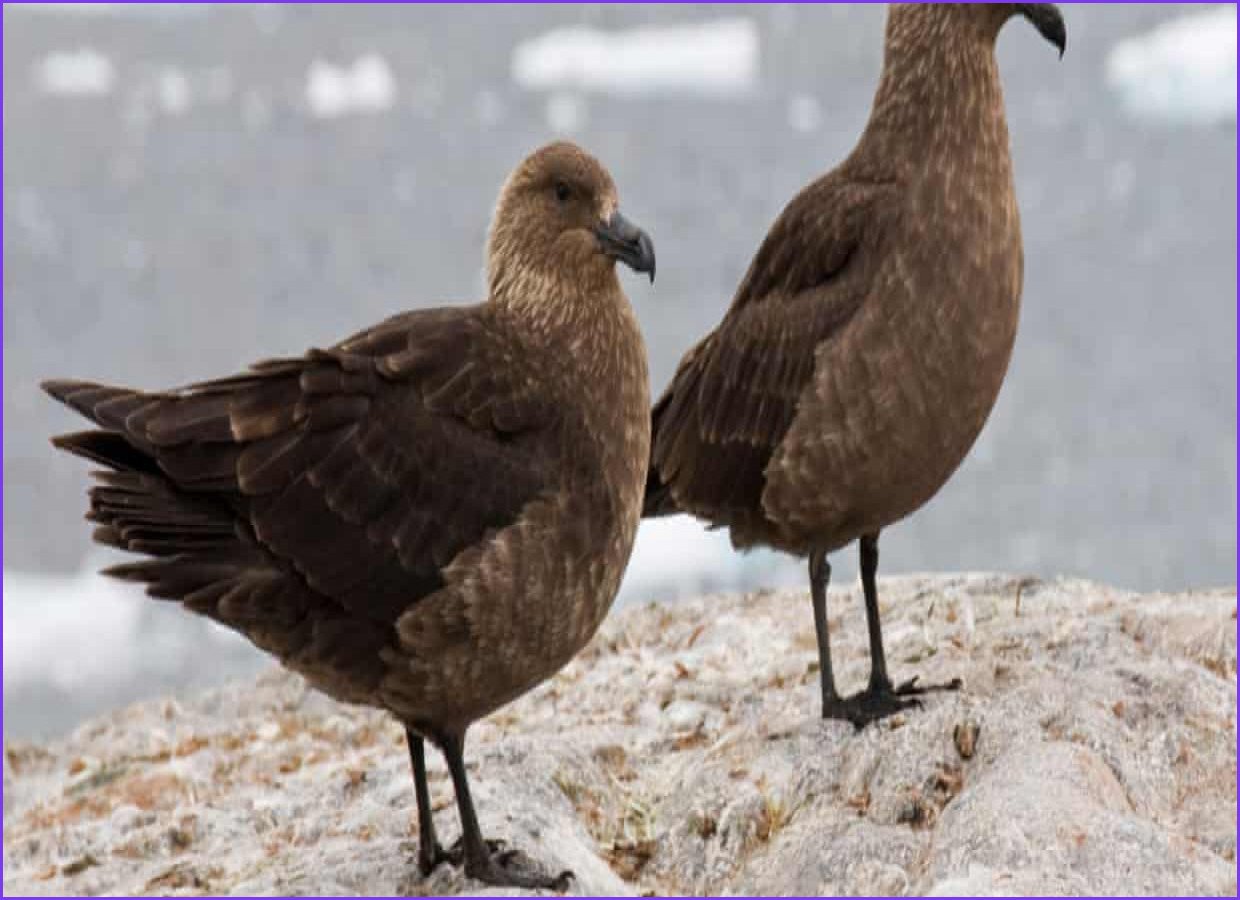
New Zealand has confirmed its first-ever case of the deadly H5N1 bird flu, following a positive test from a brown skua seabird found on Wellington's Petone beach on July 10. The discovery on Wednesday has triggered alarm among conservationists, who fear the virus could devastate the country's unique and vulnerable native bird species.
Biosecurity Minister Andrew Hoggard stated that while there is no current evidence of mass mortality or transmission between wild birds in New Zealand, the public is urged to remain vigilant. He asked the community to report any instances of three or more sick or dead birds found together to the pest and disease hotline.
The H5N1 strain, which originated in Asia, has been spreading globally since 2021, reaching Antarctica in the 2023-24 summer and Australia in early July. The virus has been responsible for millions of bird deaths worldwide, with some regions experiencing population reductions of up to 75%. Symptoms of the disease include weakness, seizures, head twisting, and respiratory distress.
New Zealand's only endemic mammal species are bats and marine mammals. Consequently, its birds evolved in unusual and idiosyncratic ways. The country is home to more species of flightless birds, both living and extinct, than any other place in the world and has the most diverse population of seabirds globally. About 80% of native birds are already considered endangered, with more than a dozen on the verge of extinction.
Professor James Russell, professor of conservation biology at the University of Auckland, highlighted the significant threat bird flu poses to species already under extreme and multiple pressures. He noted that while stopping the virus's impact on wild populations may be difficult, reducing other environmental pressures can help populations recover after the virus has swept through.
New Zealand has been preparing for bird flu for years, with a vaccination program underway for five endangered species in captive breeding programs, including the kākāpō and takahē. The Ministry for Primary Industries maintains a well-established surveillance program that spans wildlife sanctuaries, zoos, the poultry industry, veterinarians, and the public.
Virologist Jemma Geoghegan, from the University of Otago, suggested that New Zealand has an advantage because it is not facing this "blindly." She stated, "We can draw on several years of international experience, including the recent Australian response, to guide surveillance, wildlife monitoring and outbreak management."
However, Nigel French, distinguished professor of infectious disease epidemiology and public health at Massey University, cautioned that the virus presents a "big unknown" because not all species are equally susceptible. He indicated that species that tend to gather in large colonies, particularly shorebirds and other scavenging species, are likely at the highest risk. Many of these are types of birds that are already endangered, including the fairy tern, which has a population of just 50. Marine mammals, such as New Zealand’s nationally endangered sea lions, were also at risk of catching the virus.
French emphasized the potential devastation to some of New Zealand's "taonga [treasured] species of birds" and rarer native species. He added, "It is a deep cultural concern for New Zealand as a whole," underscoring the importance of vaccination and containment efforts.
“Ultimately, there will be little we can do to stop this virus impacting our wild bird populations, but through taking meaningful actions which reduce other pressures, we can set up our bird populations as strongly as possible to recover after the virus has swept through.”
The virus has killed millions of birds worldwide and in some areas, reduced bird populations by 75%. Signs of disease include weakness and seizures, head twisting, and breathing distress.