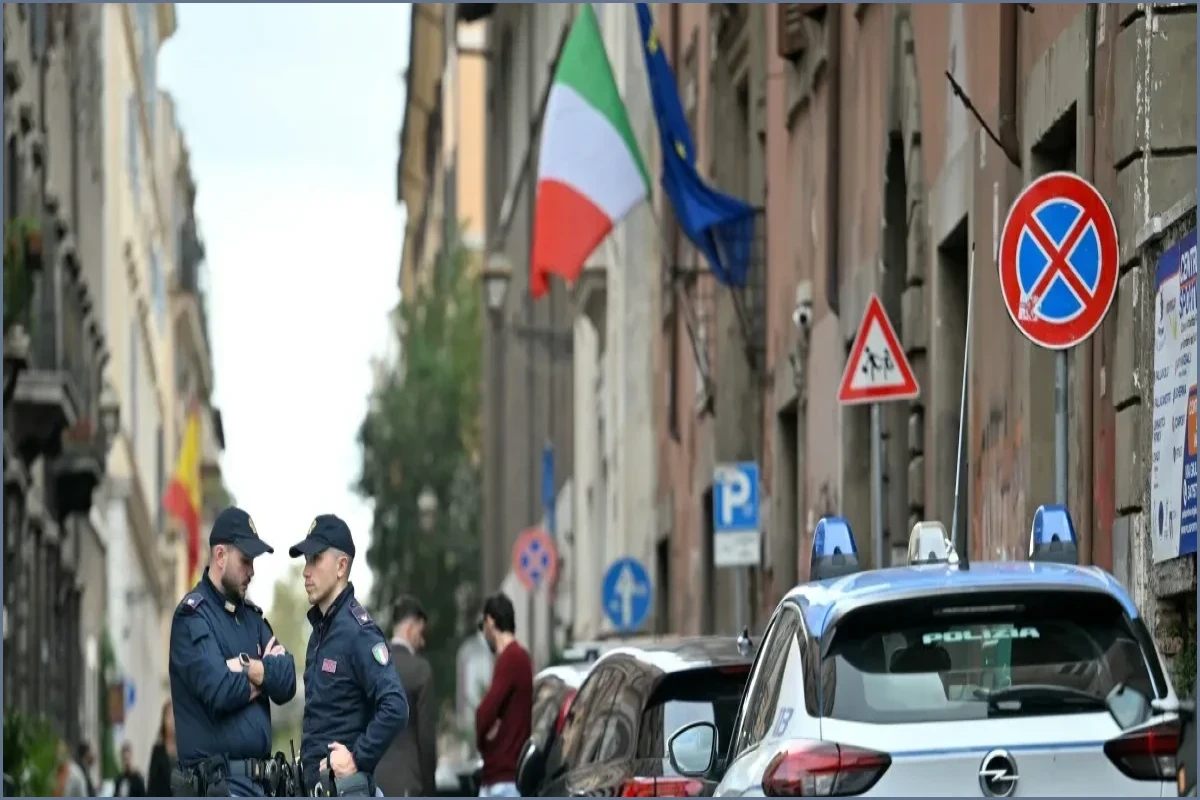
Classes resumed across Italy on Thursday, only to be disrupted by a new series of hoax bomb threats sent to schools via email. This follows a chaotic Wednesday, during which approximately 6,000 schools across the country were targeted by similar messages, resulting in widespread evacuations and police searches. No explosives were recovered during any of the incidents on Wednesday, which affected institutions in major cities including Rome, Milan, Turin, Naples, Venice, and Trieste, as well as the Tuscany region.
While schools in Trentino-Alto Adige and Valle d’Aosta remained unaffected due to their use of separate email domains, other regions faced renewed pressure on Thursday. For instance, the Umberto I classical high school in Palermo was evacuated, while schools in the Perugia area opted to keep students in class despite receiving the threatening emails. The government has since issued a firm directive to school administrators, stating that there is no need to evacuate buildings based solely on the receipt of a mass email. In an official statement, the government emphasized that without concrete evidence suggesting actual danger, evacuations should not be conducted.
Investigations into the incidents are currently underway, with prosecutors examining the emails as acts of causing a false alarm, disrupting public services, and making serious threats. Officials are also considering terrorism as a potential aggravating factor in the case. Reports indicate that Wednesday’s mass emails allegedly originated from a Taiwanese account, while Thursday’s threats were traced to an account based in the Philippines. Similar hoax alerts have also been reported in Britain and Ireland, with some evacuations occurring in Scotland.
These incidents occur amid a broader series of security alerts across Europe in recent weeks, including hoax bomb threats on flights and cyberattacks targeting supermarket refrigeration systems. Italian Foreign Minister Antonio Tajani recently reported that he was being targeted by cybercriminals who leaked his personal data online, a move he attributed to Italy's support for Ukraine. There is growing concern among officials that these varied incidents may be part of an organized hybrid warfare campaign.