Ireland has officially announced a sweeping review of its national electricity system, committing to a long-term blueprint designed to reshape the country's power sector by 2050. Darragh O'Brien, the Irish Minister for Climate, Energy and Environment, confirmed on Wednesday that work is currently underway on a comprehensive strategy to determine how Ireland will generate, transmit, and regulate electricity over the coming decades. This initiative arrives as Ireland assumes the helm of the rotating EU Council Presidency, with the government vowing to make the electrification of the economy a primary focus of its tenure.
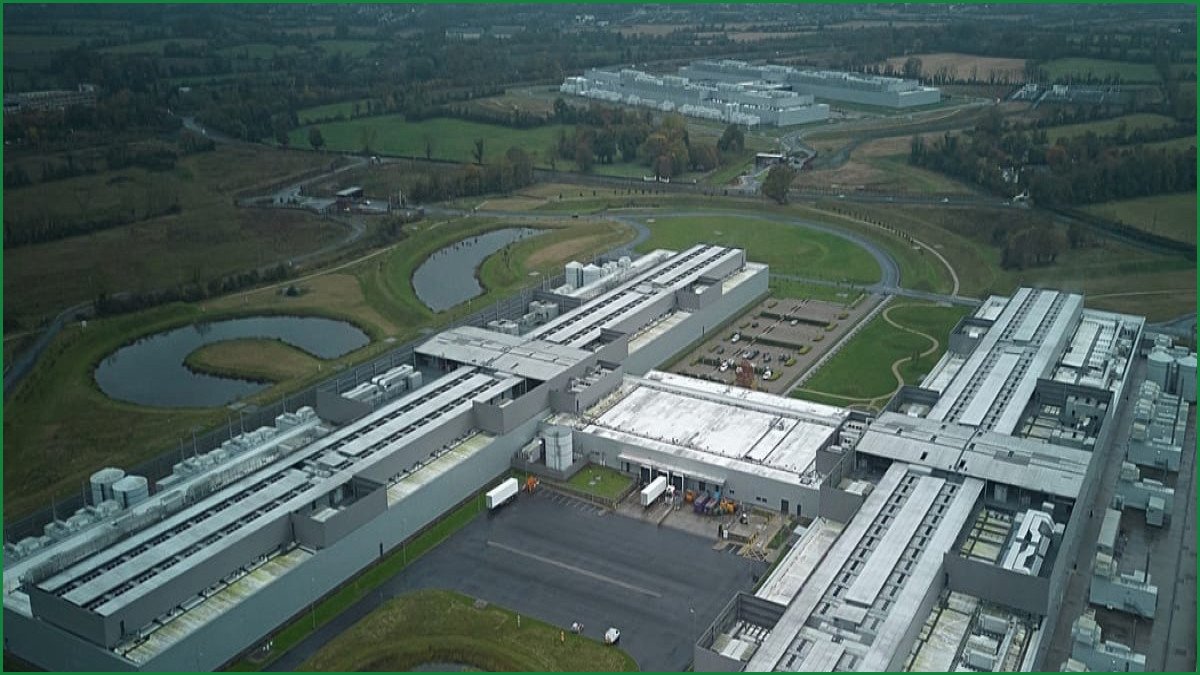
The new "Power Sector White Paper" is expected to serve as the cornerstone of future energy policy, providing the necessary guidance for upcoming legislation, significant investment decisions, and the development of the national grid. As Ireland shifts away from fossil fuels toward an electricity-based economy, the government aims to address the surge in electricity demand driven by the adoption of electric vehicles, heat pumps, industrial growth, and the rapid expansion of data centres. Data centres have placed increasing pressure on the grid, consuming 23% of Ireland's total metered electricity in 2025, a sharp rise from 5% in 2015. According to the Irish Central Statistics Office, this usage nearly matched the electricity consumed by all urban and rural households combined, which stood at 28%.
Minister O'Brien highlighted the potential of this transition, stating that it represents a momentous opportunity to make the Irish economy and its industries more efficient and competitive. He noted that the shift will open new opportunities for businesses and create tangible benefits for communities across the country. The Department of Climate, Energy and the Environment confirmed that the strategy will be supported by detailed modelling of future energy scenarios, including comprehensive risk assessments, demand forecasts, infrastructure requirements, and governance arrangements. O'Brien has invited all stakeholders across the public, private, and voluntary sectors to collaborate on this initiative, emphasizing that the transition requires a national conversation.
The urgency of this transition is underscored by broader European concerns regarding energy security. Recent disruptions in the Middle East have exposed the EU's heavy reliance on imported fossil fuels, which has contributed to higher energy bills and inflation. During recent disruptions to the Strait of Hormuz, the EU spent roughly an extra €50 billion on fossil fuel imports in just 111 days. Consequently, political talks are currently underway at the EU level to modernize the bloc's ageing power grids, a step deemed paramount to fully utilizing renewable energy and electrifying the economy.
Ireland’s commitment to achieving climate neutrality by 2050 remains a central pillar of its strategy under EU law. While France was the first EU country to announce a similar electrification plan, other member states are expected to follow. However, experts warn that success depends on addressing high electricity prices to ensure households and businesses have sufficient incentives to switch. The European Commission has recently asked member states to ensure that electricity is not taxed more heavily than gas, though governments retain the freedom to determine their own national tax structures.
Despite the momentum, some concerns remain regarding the inclusivity of the transition. Eva Schwab, an energy poverty policy officer at the European Federation of National Organisations working with the homeless, expressed regret that the Commission's plan makes no mention of energy poverty. She warned that without targeted support, the households that stand to benefit most from lower energy bills will remain locked into expensive fossil fuels while better-off households capture most of the gains. Minister O'Brien maintained that the White Paper will be a key part of guiding the transition to clean, secure, and affordable electricity for this generation and those to come.