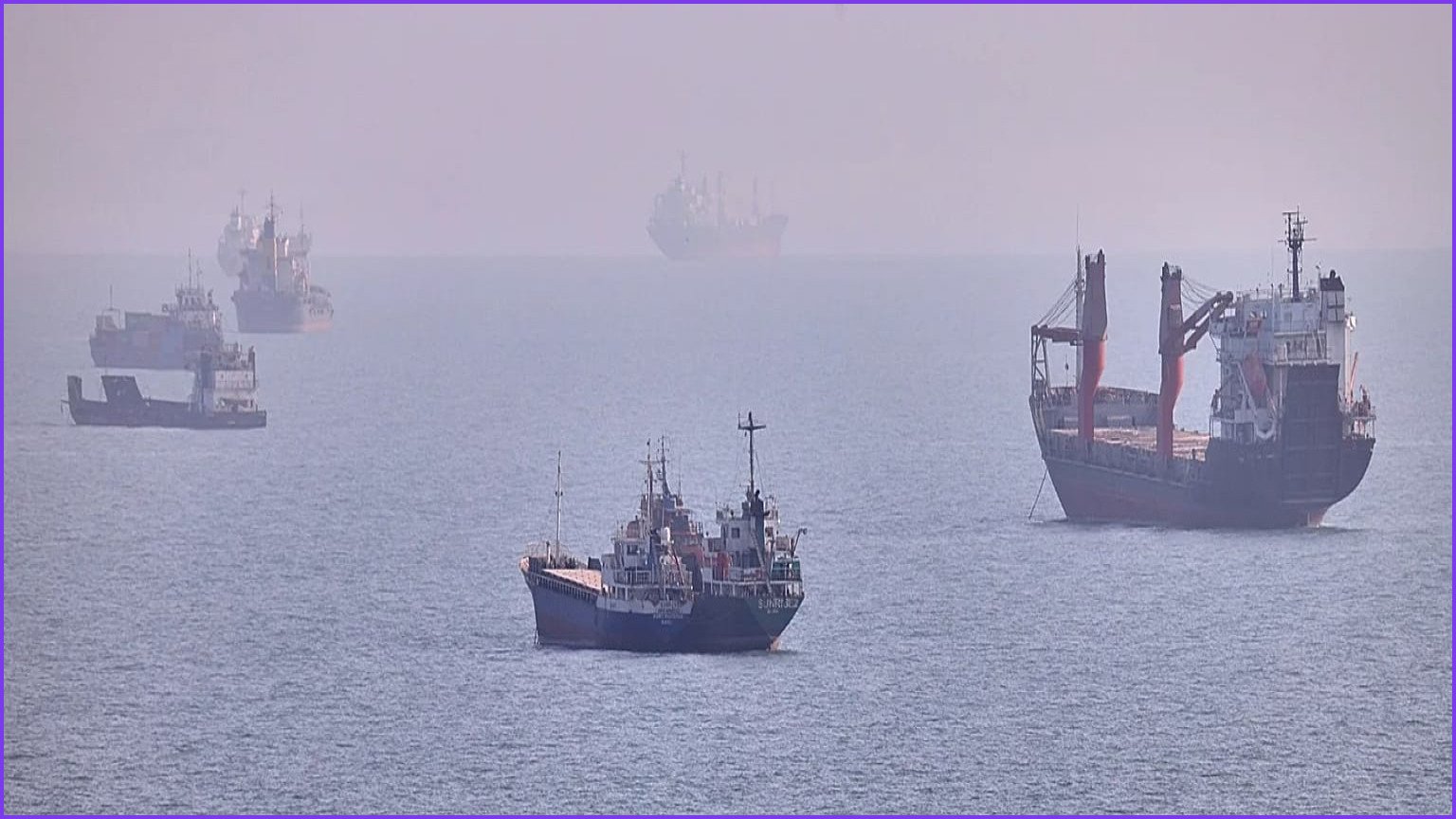
Iran and Oman have entered into negotiations for a potential agreement to manage shipping traffic through the Strait of Hormuz, with a key provision that would exclude military vessels from the vital waterway. Kazem Gharibabadi, Iran’s deputy foreign minister, confirmed the development on Tuesday, stating that Tehran intends to prohibit military ships from transiting the strait under the framework currently being discussed with Omani officials.
The diplomatic push follows meetings between top officials from both nations aimed at addressing commercial shipping challenges in the waterway, which has remained largely inactive for nearly six months since the onset of the Iran war. According to Gharibabadi, the proposed plan would see commercial traffic entering the Persian Gulf pass through Iranian waters, while the outbound route would be divided between Iranian and Omani waters. He emphasized that these arrangements would be temporary, with both countries required to finalize a permanent maritime traffic plan within a window of 30 to 60 days.
The conflict has severely hindered business across the Middle East, leading to disrupted shipping lanes, stalled regional trade, and significant increases in energy and transport costs. Aviation has also faced substantial setbacks, with Dubai International Airport reporting a sharp decline in passenger numbers. The airport recorded 13 million passengers in the second quarter of 2026, bringing the half-year total to 31.5 million—a 31.3% decrease compared to the same period last year. Aircraft movements also saw a year-on-year drop of 32.1%, totaling 150,600 for the first half of the year. Despite these figures, CEO Paul Griffiths noted a consistent monthly growth in passenger volume during the second quarter and expressed confidence in a return to full operations soon.
Meanwhile, the broader regional conflict continues to evolve. On Wednesday, Donald Trump told a Qatar-based broadcaster that he believes the United States is “winning very big” as the war nears its six-month anniversary, adding, “I have no time schedule; whatever it takes.” In a separate interview, Trump claimed that Iran’s supreme leader, Motjaba Khamenei, is “very seriously wounded” but alive. Motjaba Khamenei assumed the leadership role following the death of his father, Ayatollah Ali Khamenei, at the start of the war; the younger leader has not been seen in public since being wounded in initial attacks. Regarding the economic impact, Iranian officials have criticized the U.S. approach, with Abbas Araghchi describing the “economic onslaught” declared by U.S. Treasury Secretary Scott Bessent as a deliberate attempt to deprive Iranian civilians of food, medicine, and other essential necessities.