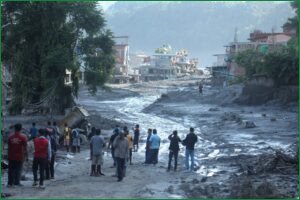
A strengthening El Niño weather system is taking hold, prompting experts to warn that India’s vital monsoon rains are now in danger. According to the World Meteorological Organization (WMO), the phenomenon is expected to gain momentum between August and October, bringing higher temperatures globally and creating a volatile mix of increased rainfall in some areas and severe drought in others. The UN secretary-general, António Guterres, has cautioned that this development is pushing the world into “uncharted territory,” describing the current climate situation as a planet “on fire.”
Guterres emphasized that the Pacific waters driving this system are warmer than they have ever been this early in an El Niño cycle, with temperatures continuing to climb. He noted that the year risks shattering all seasonal records, as the current weather patterns are being exacerbated by the broader climate crisis. The WMO has highlighted that marine heatwaves are set to intensify, with regional temperatures potentially exceeding 2.9C above normal levels. Guterres explicitly linked the crisis to fossil fuel consumption, stating that the expansion of such energy sources must stop, as they are effectively “fanning the flames” of the current environmental emergency.
The impact on India is particularly concerning, as forecasts indicate an increased probability of below-normal rainfall. A weakened monsoon threatens the agricultural sector, which relies heavily on these rains, and raises the risks of drought, flooding, and wildfires across the Indian Ocean basin. Similar dry conditions are anticipated in parts of equatorial Africa, eastern and southern Australia, as well as large portions of North and South America. Conversely, higher-than-normal rainfall is expected in central Asia, southern Europe, the Horn of Africa, and south-eastern South America.
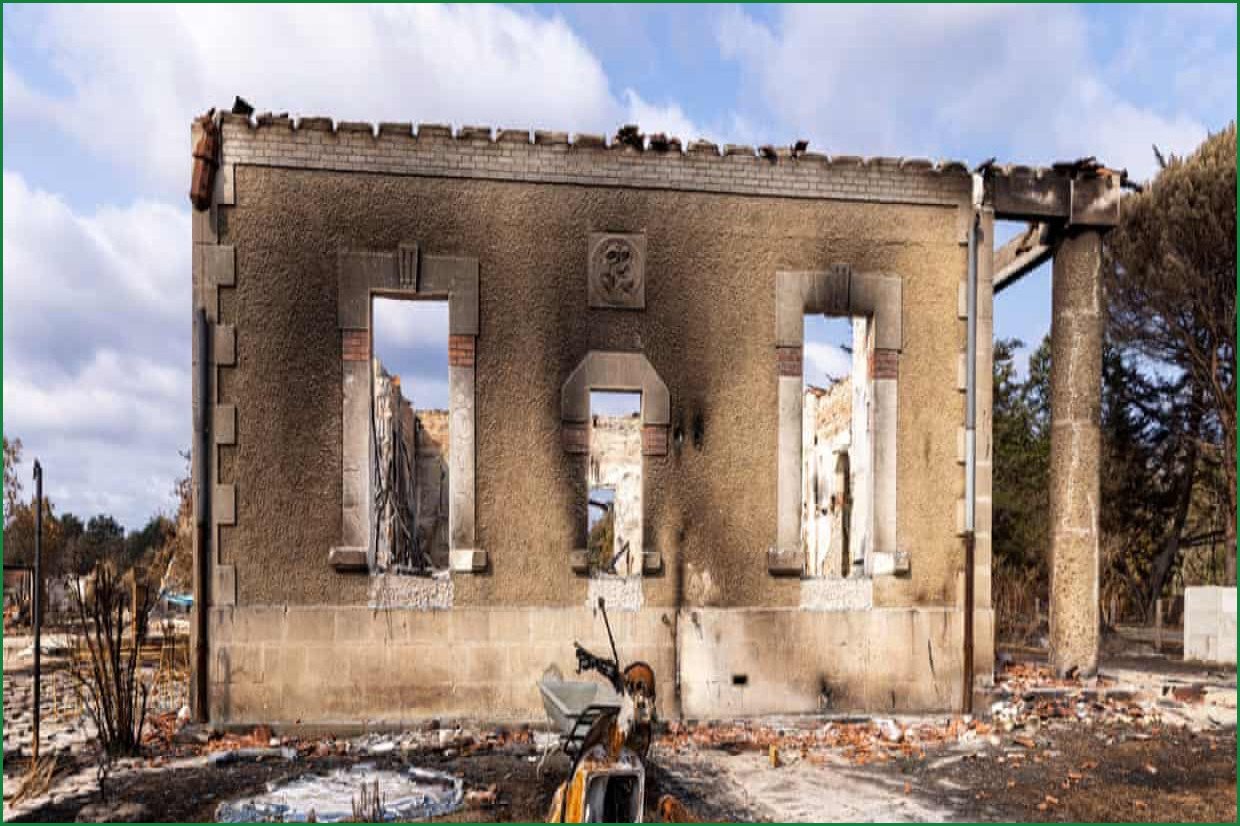
Celeste Saulo, the WMO secretary-general, urged governments to prepare for the coming months by anticipating potential hazards. She stressed that while El Niño is one of the most closely monitored climate phenomena, forecasts alone cannot prevent disasters; active intervention is required. Saulo noted that this El Niño is developing against a backdrop of unprecedented ocean heat, providing a critical window for authorities to act before the worst impacts unfold. The current extreme weather, including record-breaking heatwaves in the UK and devastating wildfires in France and Spain, serves as a stark reminder of the climate crisis, which scientists say has “supercharged” these events.