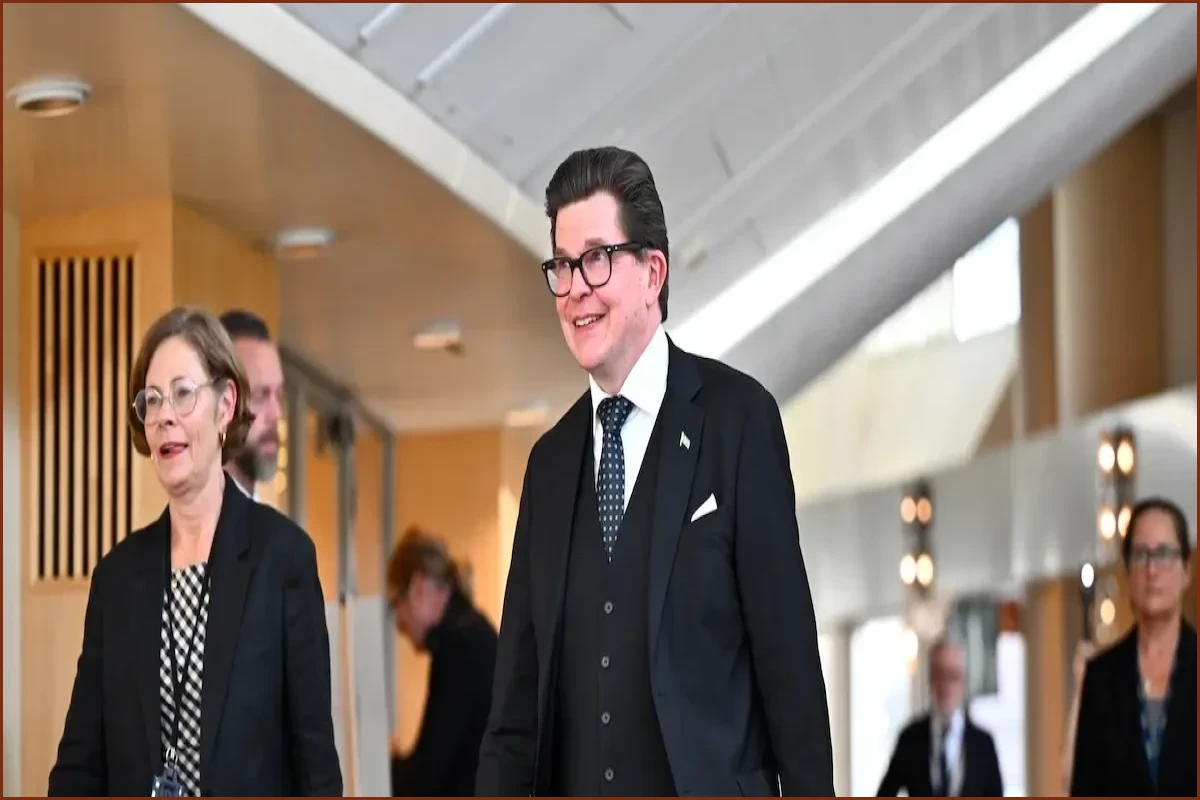
Following the defeat of the four Tidö parties in the recent general election, Ulf Kristersson has officially resigned as Sweden's Prime Minister. His resignation was formally accepted by the speaker of the parliament, Andreas Norlén, on September 17th. However, under Chapter 6, Section 11 of the Instrument of Government, Kristersson remains in office as the head of a caretaker government, or övergångsregering, until a successor is officially in place.
A caretaker government is restricted in its authority, primarily managing current or urgent matters. While it may prepare a budget, the government has stated that its only explicit limitation is the inability to call for special elections. The process to appoint a new prime minister will begin when the new parliament convenes, with the earliest possible date for such a vote occurring during the week starting September 28th.
Sweden utilizes a system of negative parliamentarism. This means a candidate does not require an active majority of members of parliament to vote in their favor; they simply need to ensure that a majority does not vote against them. The responsibility for navigating this process falls to the speaker of the parliament, who is tasked with identifying a candidate most likely to be tolerated by the legislature.
To determine the best candidate, the speaker conducts a talmansrunda, or "speaker's round," consulting with all party leaders to gauge potential support. Based on these discussions, the speaker appoints a sonderingsperson—typically a party leader deemed capable of forming a workable coalition. This individual is given a specific timeframe to negotiate with other parties. If the speaker concludes that the candidate has a high probability of being tolerated by parliament, they are formally proposed for a vote. If not, the speaker may grant more time or designate a different leader for the task.
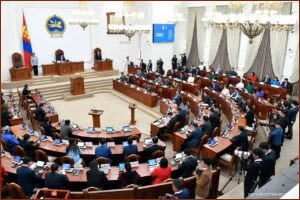
Because Kristersson resigned prior to the new parliament's first meeting, the current speaker, Norlén, initiated the initial round of talks. A new speaker will be selected once the parliament officially meets. If a proposed prime minister is rejected by the parliament, the speaker must restart the talmansrunda process and appoint a new sonderingsperson, which can be the same individual who was just rejected, as occurred with Stefan Löfven after the 2018 election. The speaker is permitted four attempts to propose a candidate; if all fail, a new election must be called within three months. This election must happen within three months of the rejection vote, with the speaker choosing the exact date.
Once a new prime minister is successfully voted in, they will name their government ministers. The new leader will then present a regeringsförklaring, or government declaration, during the first subsequent parliamentary meeting to outline the administration's goals and political approach.