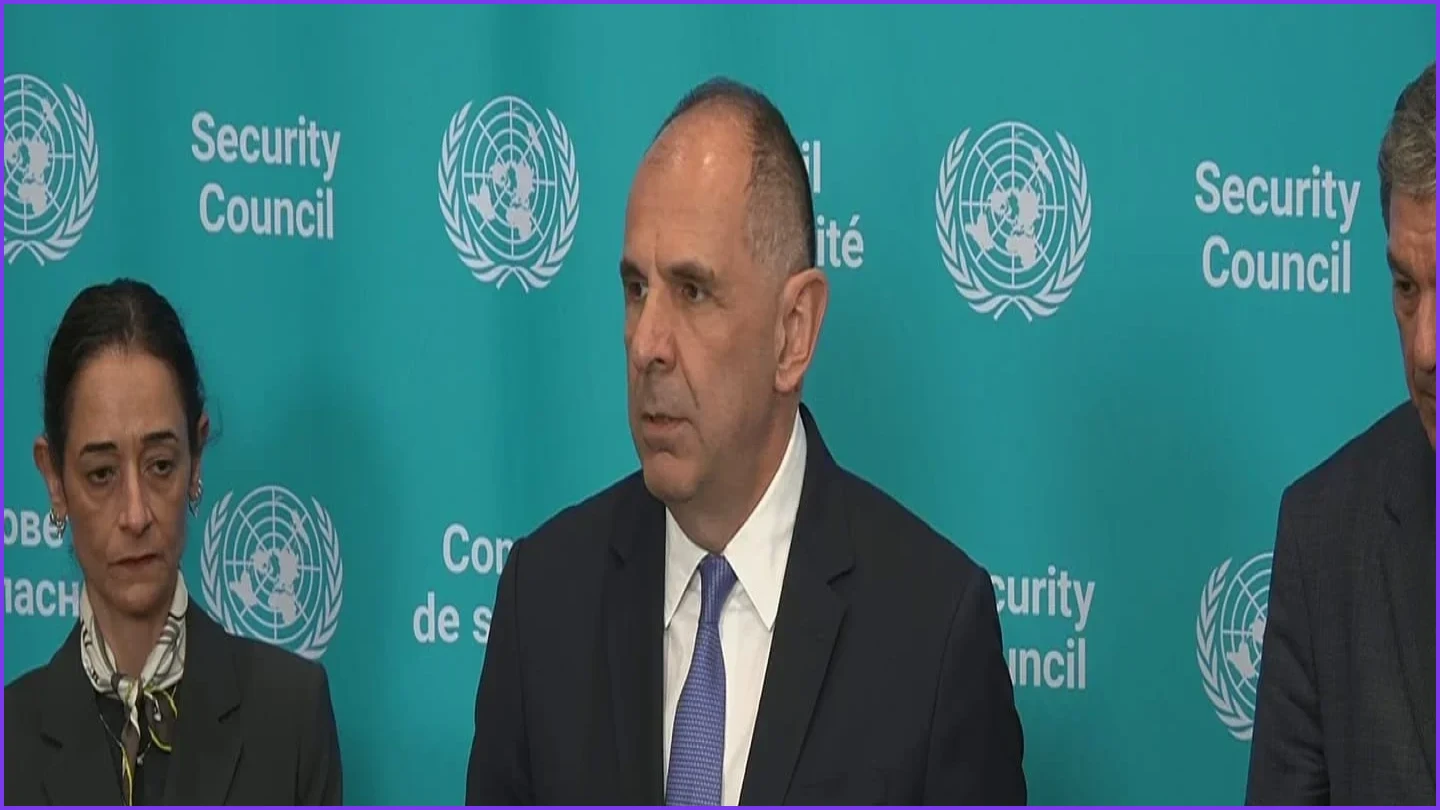
Greek Foreign Minister Giorgos Gerapetritis has formally rejected the recent decision by Libya's House of Representatives to ratify the 2019 Turkish-Libyan memorandum concerning the delimitation of maritime jurisdiction areas in the Mediterranean. Gerapetritis stated that the memorandum remains "null and void and without legal effect," asserting that it runs counter to international law.
According to the Greek minister, the agreement cannot serve as a lawful basis for defining maritime zones, nor can it produce legal consequences for third states. The statement emphasized that such arbitrary bilateral agreements risk undermining the established international legal order and prejudicing the rights of other nations. Gerapetritis highlighted that the United Nations Convention on the Law of the Sea (UNCLOS) and customary international law provide the only legitimate framework for maritime delimitation, which he described as essential for maintaining predictability and peaceful relations between states.
The Greek government further criticized the memorandum for ignoring geographical reality and the rights of coastal states, including the rights of islands as protected under UNCLOS. Gerapetritis warned that accepting agreements that disregard these fundamental principles would set a dangerous precedent, undermining the international legal order and the principles on which the peaceful settlement of disputes is based. He added that the recent ratification by the Libyan House of Representatives does not alter the underlying legal reality of the situation.
The Greek statement also expressed concern regarding regional security and stability, noting that the ratification "raises serious concerns for regional security and stability." Both parties involved in the broader regional context reaffirmed a commitment to the reunification of Libya's institutions, stressing that a stable Libya actively engaged in regional cooperation is vital for Mediterranean security. Furthermore, the statement emphasized that Libya’s political transition and its international relations must be governed by respect for international law and good-neighborly principles.