English football is set to implement a new trial regarding goalkeeper injuries starting with the 2026/27 season. Approved by the International Football Association Board (IFAB), the initiative has garnered backing from the Football Association (FA), the Premier League, the English Football League, the Women’s Super League, the National League, and the Professional Game Match Officials Limited (PGMOL).
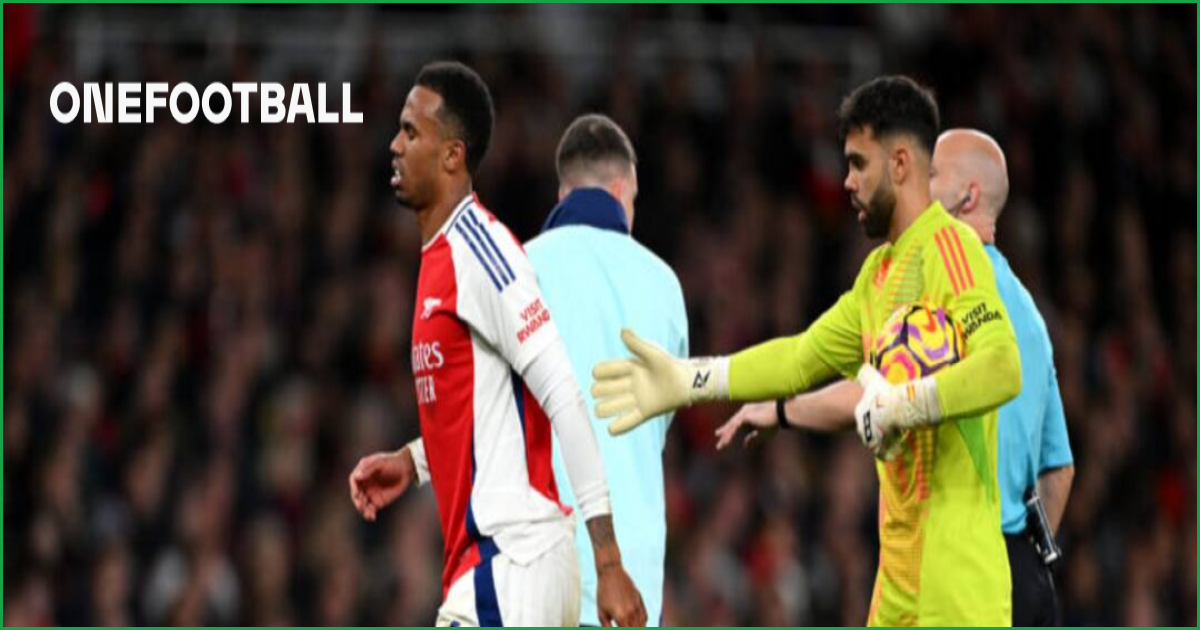
The primary goal of the trial is to reduce time-wasting and ensure that matches maintain a higher tempo. Under the new protocol, if play is halted due to a goalkeeper injury, the team’s manager or head coach must immediately nominate an outfield player to leave the field. That player will be prohibited from returning to the pitch until at least one minute has elapsed after play has restarted. This measure is intended to discourage teams from utilizing goalkeeper treatment breaks as a tactical maneuver to disrupt opposition momentum, waste time, or facilitate extra coaching instructions.
Certain exemptions will be in place to ensure player welfare. The temporary removal of an outfield player will not be enforced if the goalkeeper requires immediate treatment following a foul, if the goalkeeper is bleeding, or if there is a collision between the goalkeeper and a teammate requiring medical attention for both players. The trial will apply across the professional men’s and women’s game in England, though it will not extend below National League Step 2 in the men’s pyramid.
Beyond the goalkeeper injury rule, authorities are introducing additional measures to increase ball-in-play time. These include a five-second countdown for players delaying throw-ins or goal kicks, as well as a 10-second limit for substituted players to exit the pitch. These changes, which follow the successful implementation of the goalkeeper eight-second possession rule last season, will take effect starting with the opening round of the 2026/27 Carabao Cup on August 1. Football authorities, alongside IFAB, will monitor these experiments throughout the campaign to assess their impact on match flow and player welfare.