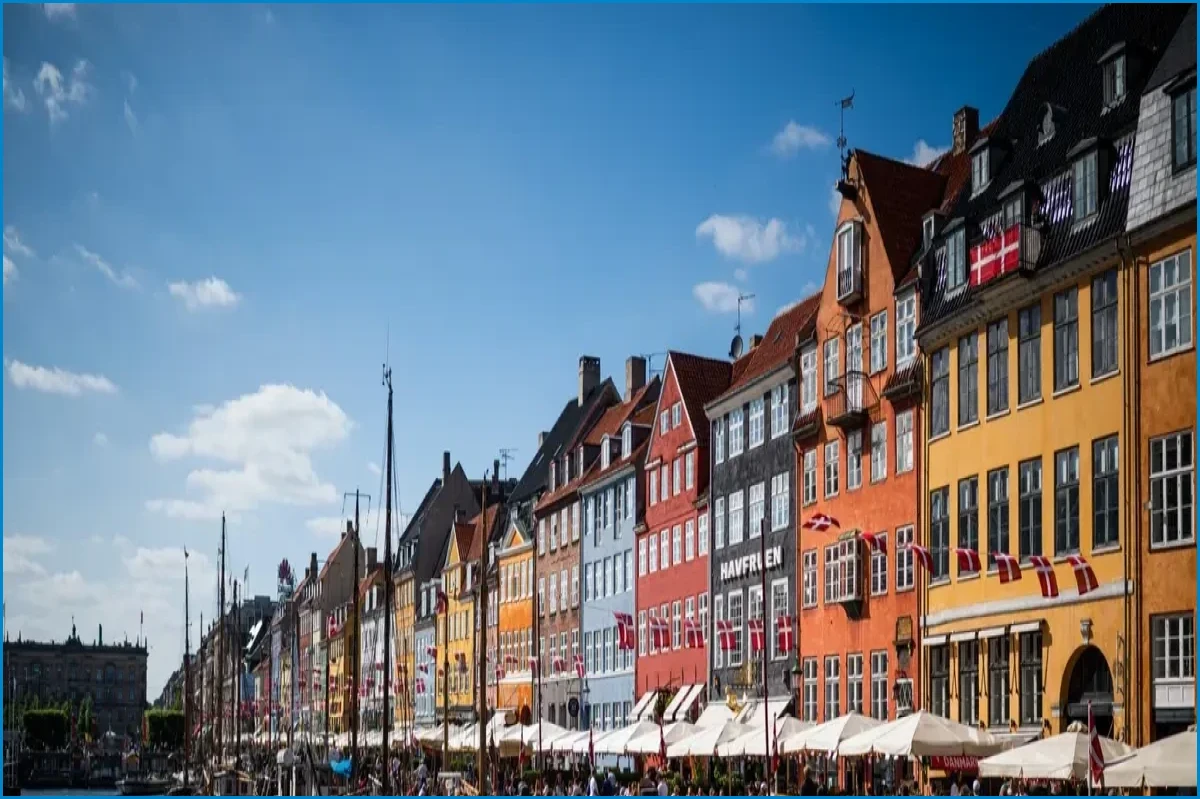
As summer temperatures in Europe regularly climb toward 40 degrees Celsius (100 degrees Fahrenheit), worn-down holidaymakers are increasingly snubbing Mediterranean destinations for northern climes. This rising trend of "coolcations"—taking vacations in cooler climates—appears to have exploded in 2026, though experts wonder if it is a temporary fad or a durable shift in the tourism market.
Travelers heading north are often "just amazed" by daytime high temperatures remaining under 30 degrees Celsius, refreshing sea breezes, and the lack of crowds compared to southern European hotspots. Among them are Daniel and Florence Gastaldi, a recently retired couple from the southern French city of Marseille. While taking a tour of Stockholm's Old Town with a guide named Pedersen, they expressed their relief. "It's good to have escaped the heatwave," they said, adding, "We're happy to have found cooler temperatures."
In France, mountain resorts are also seeing a summer popularity boost. Jean-Pascal Chopard, head of the tourism body for the mountainous Jura region, explained: "That's because at higher altitudes there is a clear drop in temperatures in the evening and during the night, which makes the stays much more liveable."
However, whether this enthusiasm will permanently redraw the map of international tourism remains uncertain. Stefan Gossling, a Swedish professor and tourism specialist, noted that all European countries have recorded an increase in tourist arrivals, with no discernible trend linked directly to the heat. "Temperature is one aspect people take into account when they go on vacation," he told AFP. "But there are many other elements. Italy is not Denmark in terms of culture, environment, prices. All of that means people don't easily change destinations when they have a favourite," Gossling added.
Similarly, recent visitor surveys in Norway show that around one in five foreign tourists considers cooler summer temperatures to be one of the reasons for choosing the country. Nevertheless, "climate is only one of many factors that influence travel decisions", it argued. Security, nature, accessibility, air connections, and exchange rates also play a role.
Furthermore, Mediterranean countries possess extensive tourism infrastructures. Indeed, visitor numbers continue to demonstrate the importance of warm countries. For instance, Greece and Spain both recorded their best years ever for visitor numbers last year. In Spain, spending by domestic and foreign tourists has already risen by more than eight percent in the second quarter of 2026, according to data published by Exceltur, an organization representing the main Spanish tourism companies.
To balance these factors, Jonna Robertson of Fora is counting on a seasonal redistribution. She suggests that trips to hotter countries could take place in the spring or autumn, allowing travelers to avoid both overtourism and exhausting temperatures.
Those for Dublin in Ireland have risen by 151 percent.
"Oslo has seen booking growth of 154 percent year-over-year, Helsinki 124 percent… Those numbers tell me that travellers are actively looking beyond the traditional summer hotspots," said the expert and founder of Coolcation Adventures.