A recent episode of the Talking France podcast has highlighted several major developments currently making waves across the country. The discussion spans from a high-profile industrial dispute at the Eiffel Tower to emerging political fractures within the French far-right.
First we discuss the scandal that involved the Eiffel Tower closing down this week due to a last-minute strike over the exclusion of women during a visit by a religious group, a move that has sparked furious condemnation from politicians across the political spectrum.
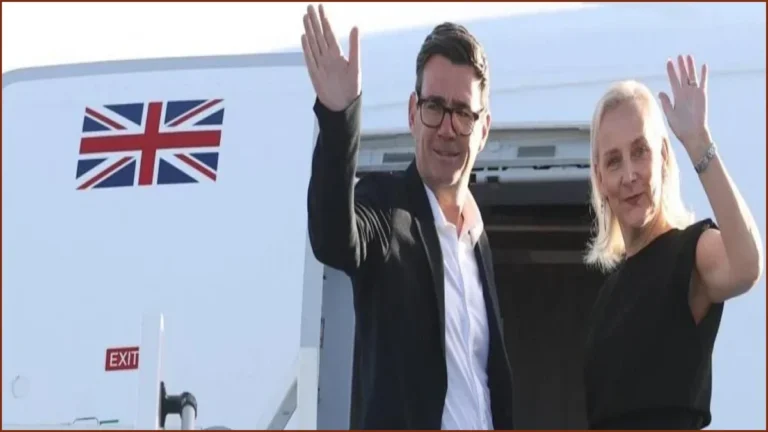
In the political arena, internal tensions are becoming increasingly visible within the Rassemblement National. Despite the party maintaining a strong lead in polls ahead of next year's presidential election, a growing rift has emerged between leader Marine Le Pen and her deputy, Jordan Bardella. Disagreements have reportedly surfaced regarding various issues, including Bardella’s recent trip to the United Kingdom.
Environmental concerns are also making headlines as tiger mosquitoes continue their spread across France. In the village of Saint-Just Saint-Rambert, located in the Loire Valley, the mayor has issued a decree to "ban" the insects. While the move carries a humorous tone, it highlights the town's active efforts to combat the pests, joining a long history of French mayors implementing unusual local measures.
The podcast also explored the changing landscape of tipping in France. Unlike the traditional expectation in the United States, tipping has historically not been mandatory in France, with patrons typically leaving only a few coins after a meal. However, the rise of card payments has introduced new digital prompts for tips before transactions are completed, raising questions about how this shift aligns with long-standing French customs.
Finally, the episode examined the history and mechanics of verlan, the "backwards" coded slang often heard in French. And finally, how does French’s “backwards” language, better known as verlan, actually work? Should French learners use it? We take a look at the coded slang’s history, how the words are formed, and some common examples you may already recognise.