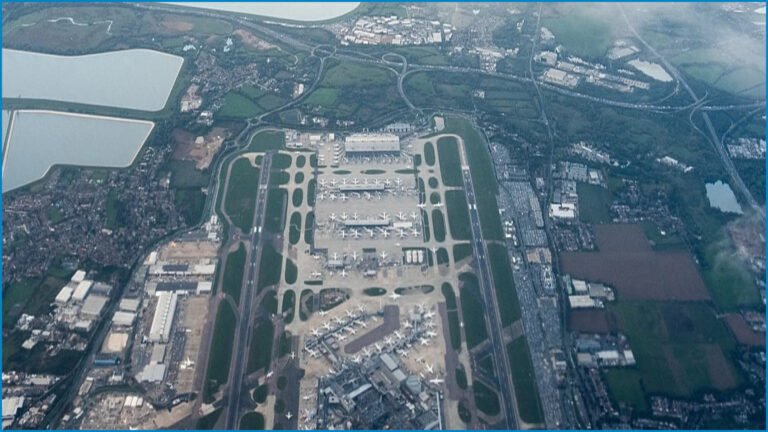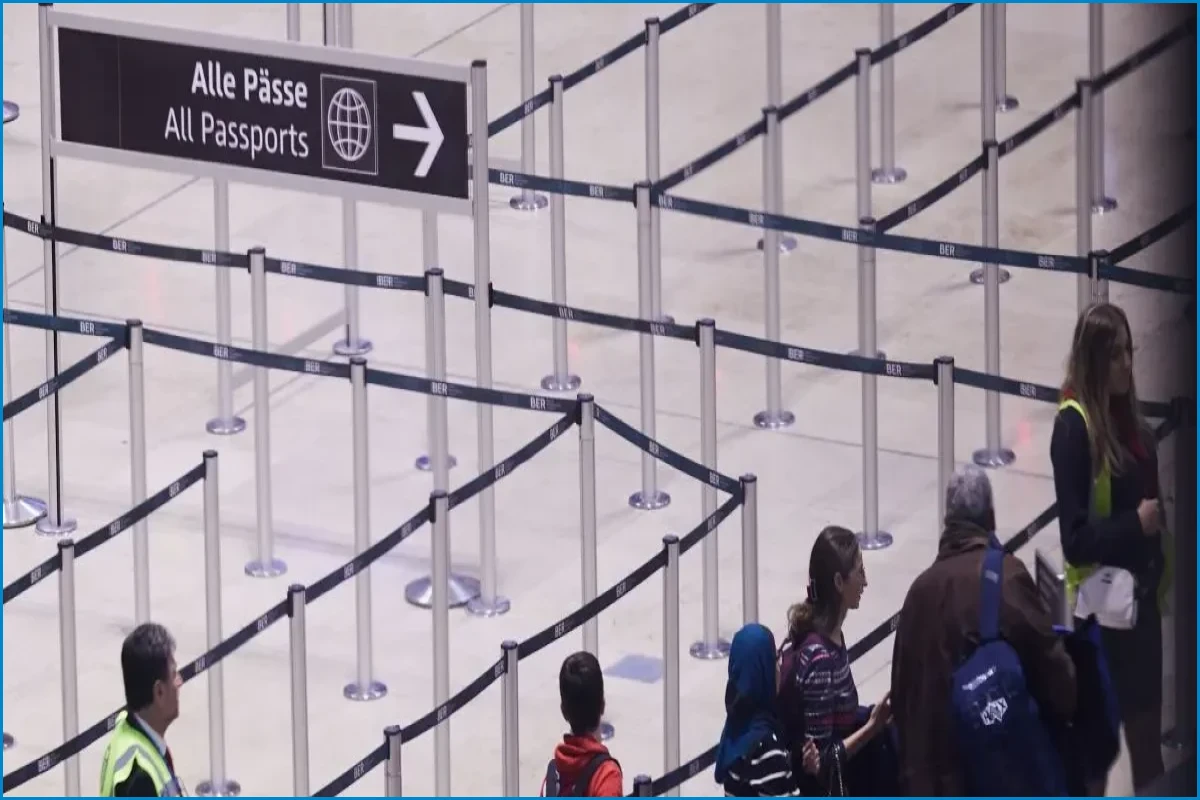
Passengers arriving at Germany's two largest airports, located in Frankfurt and Munich, are currently facing some of the most significant passport control delays in Europe. New data obtained by the Financial Times indicates that wait times at these major German air hubs have doubled following the full implementation of the European Union's new Entry/Exit System (EES).
The EES, which has been in a phased rollout since October 12th, 2025, became fully operational on April 10th, 2026. The system is designed to replace the traditional manual stamping of passports by recording the entry and exit of non-EU short-term visitors in an EU-wide database.
This process includes the collection of biometric data, such as fingerprint scans, to help authorities detect individuals who overstay their permitted time in the Schengen area.
Travel analytics firm Qsensor, which tracks airport queues using a combination of public information and passenger reports, provided data showing a stark year-on-year increase in wait times. At Munich Airport, the average maximum queue time has increased from 31 minutes in 2025 to 60 minutes as of July 2026.
The situation is even more pronounced at Frankfurt Airport, where average wait times reached 120 minutes in July 2026, effectively doubling the 60-minute average recorded in July 2025.
A spokesperson for Frankfurt Airport confirmed to the Financial Times that the implementation of the EES has contributed to departure delays and other operational disruptions.
The impact of these delays is felt acutely by travelers from outside the EU, particularly British and American tourists. Oliver Maxfield, the founder of Qsensor, noted that the increasing wait times are causing a surge in anxiety among British and North American holidaymakers regarding the length of time they must spend in line.
This issue is not limited to Germany; in July, European airport authorities warned that the new border checks are significantly increasing waiting times for British nationals arriving in the bloc, with some instances showing a tripling of the average wait.
In response to the mounting pressure, some airports have reportedly resorted to turning the system off when they become overwhelmed by arriving passengers to prevent further congestion. Reports from Politico suggest that several EU countries have requested the ability to extend these suspensions beyond September.
The European Commission, however, stated that it remains in close and constructive contact with the few member states facing challenges at specific border crossing points, maintaining that the average EES wait time is currently just 70 seconds.
Qsensor's data tracks airport queues throughout the day, with averages based on both publicly available airport information and passenger reports.
Recent reporting from Politico also revealed that some airports were simply turning the system off to avoid delays.