Democrats have secured a decisive victory in the US midterm elections, winning control of both the US Senate and the House of Representatives. This shift in power will define the legislative landscape for the remainder of Donald Trump's presidency. The results have provided the Democratic Party with significant momentum and historic milestones, while leaving Republicans to contend with a difficult electoral outcome.
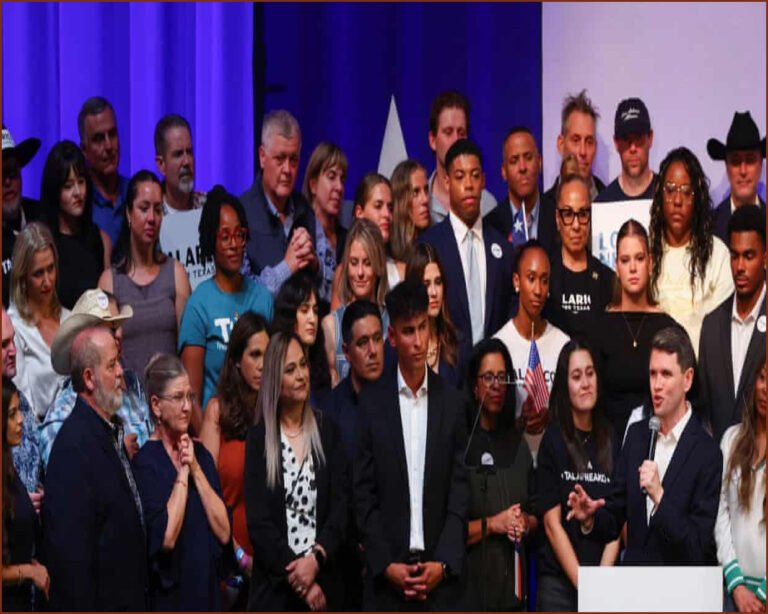
In Texas, Democrats achieved a rare and significant breakthrough, ending a string of defeats that had persisted for nearly two generations. James Talarico was elected to the US Senate, and Gina Hinojosa made history as the first Latina to be elected governor of the state. The atmosphere at Talarico’s election-night event was described as ecstatic, with supporters celebrating a result that many had previously viewed as unlikely.
Further historic gains were recorded in Kansas, where Adam Hamilton secured a Senate seat, marking the first time in nearly a century that the state has elected a Democratic senator.
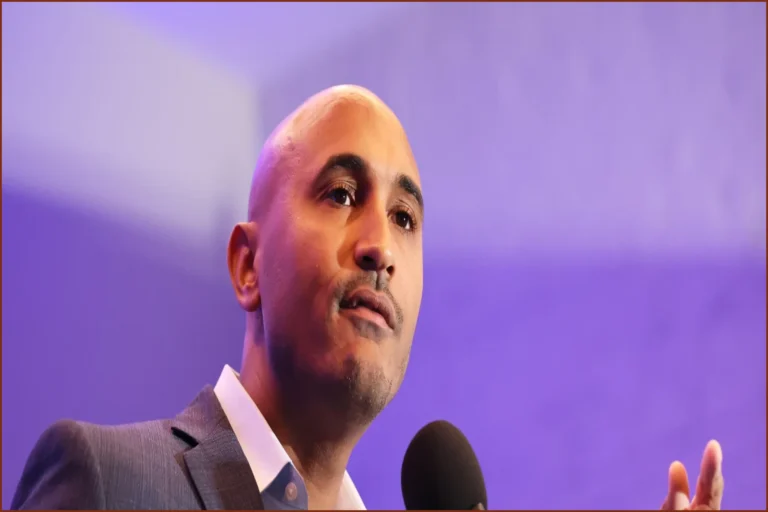
Hakeem Jeffries, the senior Democrat in the House of Representatives, is now poised to assume the role of Speaker of the House. If his colleagues confirm his leadership, he will succeed Republican Mike Johnson and become the first black person to hold the position. Addressing a crowd of supporters, Jeffries declared, "Today begins the great American comeback."
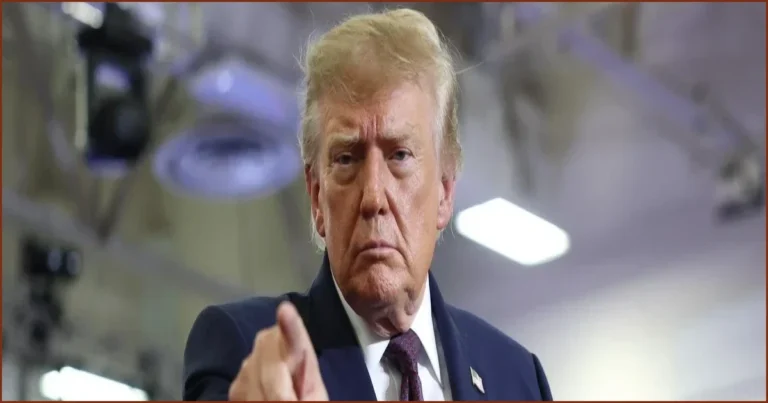
President Donald Trump, who spoke to various US media outlets throughout the evening, adopted a conciliatory tone and acknowledged that the Democrats performed a "good job." While he expressed a willingness to work with the opposition, he noted that he retains the presidential power to veto legislation.
Trump also distanced himself from several Republican candidates, stating that in some cases, the party did not like the candidates, or that the candidates were not his friends.
Regarding the economy, Trump argued that the US-Israel war on Iran had negatively impacted consumer prices, specifically citing high fuel costs as a factor that prevented voters from fully appreciating the state of the economy under his administration.
In Michigan, Abdul El-Sayed became the first Muslim person elected to the US Senate after a victory in one of the most closely contested races of the cycle. The campaign was notably bitter, with Trump labeling El-Sayed a "jihadist" without providing evidence, a tactic that drew widespread accusations of Islamophobia.
The race also saw a last-minute shift in support, as El-Sayed's Democratic primary rival, Haley Stevens, unexpectedly endorsed his opponent, Republican Mike Rogers.
Upon his victory, El-Sayed told supporters: "Up until right about now, you might have noticed I always say 'inshallah,' or 'God willing,' whenever the outcome of this race was mentioned. But today, tonight, we can turn that 'inshallah' into 'alhamdulillah.' For the right-wing ops, that just means 'praise be to God.'"
The scale of the Republican losses was further illustrated in Maine, where long-serving Republican Senator Susan Collins was defeated by Democratic candidate Troy Jackson. Collins, who had served for three decades, failed in her attempt to distance herself from Trump, leading to a somber atmosphere at her watch party in Maine, where the song "Closing Time" was played.
In a statement, Collins conceded defeat, calling it the "honour of my life" to serve the state for 30 years.
Similarly, in Iowa, Ashley Hinson lost her Senate seat to Democrat Josh Turek. Hinson had attempted to navigate a middle ground by urging Trump to end the war with Iran and breaking with him on beef tariffs, while simultaneously defending his broader tariff policies.
Despite the broader Republican losses, the party secured a notable win in Florida, where Byron Donalds was elected as the state's first black governor. Following a strong endorsement from Trump, Donalds will succeed Ron DeSantis. Donalds described Florida as the "envy of the nation" and pledged to focus on making the state more affordable.
In Georgia, Democrat Keisha Lance Bottoms, the former mayor of Atlanta, defeated Republican Rick Jackson to become the first black woman elected governor of the state. This victory, which occurred in a state that had not elected a Democratic governor in over 20 years, was met with ecstatic scenes.
In New Hampshire, Chris Pappas achieved a historic milestone by becoming the first openly gay man elected to the US Senate. Pappas, who had served in the House since 2019, defeated former Republican Senator John Sununu. In his victory speech, Pappas thanked Sununu for his public service, stating, "We all owe John Sununu a big debt of gratitude for his public service for the people of New Hampshire."
The race was one of the bitterest of the midterms. Trump invoked 9/11 and even called El-Sayed a "jihadist" without citing any evidence, prompting a backlash and accusations of Islamophobia.
The 46-year-old Pappas had represented New Hampshire in the House since 2019 but chose not to run for re-election so he could launch his campaign for the Senate.