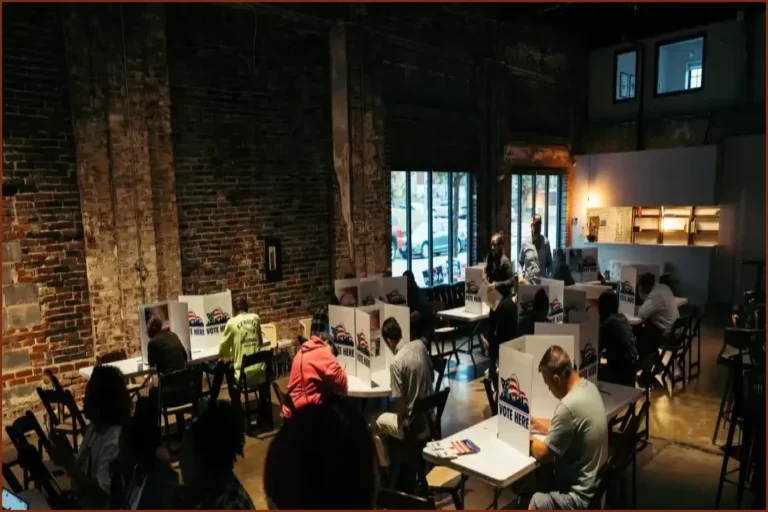
Republicans who sought to improve their party's performance in the midterm elections through aggressive redistricting efforts faced significant setbacks on Tuesday. The strategy, which saw the party redraw congressional maps in multiple states, failed to prevent Democratic victories in key districts that were specifically targeted to boost GOP prospects.
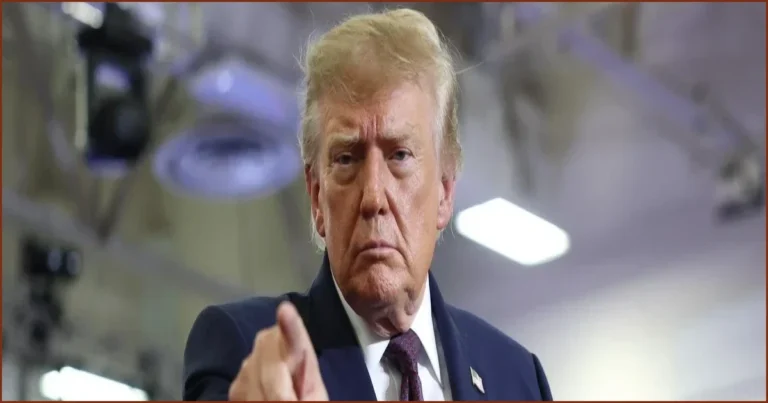
President Trump had urged his party to pursue mid-decade redistricting last year as a strategy to mitigate anticipated losses. However, election night results indicated that these efforts largely did not yield the intended outcomes. In Florida, Democratic candidates including Kathy Castor, Pia Dandiya, and Jared Moskowitz successfully won in districts that had been redrawn by Republicans, according to race calls by the Associated Press.
A similar trend occurred in North Carolina, where Democratic Rep. Don Davis secured his 1st District seat. This outcome persisted despite Republican efforts to make the district more competitive for their party; according to data from the Downballot, the redrawn 1st District would have been won by Trump by nearly 12 percentage points. Alabama also saw a Democratic victory as Rep. Shomari Figures held on to the 2nd Congressional District, according to the AP race call. Republicans in Alabama had redone the state's congressional map after the U.S. Supreme Court further weakened the Voting Rights Act earlier this year.
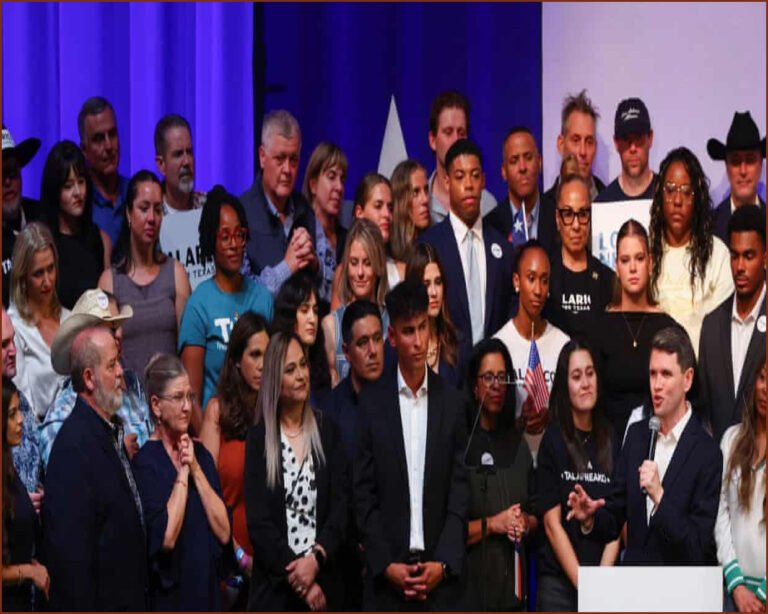
Texas, which was the first state to engage in redistricting at the urging of the President, also saw several redrawn districts shift toward Democrats. Republicans had designed these maps with the assumption that the voter coalition Trump attracted in 2024, particularly Latino voters, would support GOP candidates. Instead, many of those voters shifted their support to Democrats this year, undermining the strategic foundation of the redrawn maps.