Cuba faced another complete collapse of its National Electric System (SEN) on Tuesday, marking the third time the entire country has been left without power in just two weeks. The state-owned Electric Union attributed the midday blackout to a sudden frequency change caused by a technical issue at a generating unit located in the eastern province of Holguín. This latest incident follows a series of regional outages and two prior nationwide blackouts that occurred last Monday and Friday, impacting more than 9 million people. Additional widespread power failures were also recorded in March, including 3 major incidents and 2 localized grid collapses that preceded the current crisis.
The island’s ongoing energy crisis is deeply tied to a lack of fuel, with Cuba currently producing only 40% of its required supply. Since January, the situation has intensified following warnings from U.S. President Donald Trump regarding potential tariffs on countries providing oil to the island, which has exacerbated Cuba’s broader economic and financial instability. The resulting energy embargo has led to significant disruptions, including the cancellation of tens of thousands of surgeries, halted public transportation, and limited access to essential services like water, internet, and telephone connectivity.
In response to the total grid failure, the Ministry of Energy and Mines and the Electric Union announced that restoration protocols have been initiated. Officials are working to establish and interconnect "micro-islands" to prioritize power for essential facilities, such as food processing plants and hospitals. By Tuesday afternoon, electricity had been restored to approximately 4% of Havana, while authorities in the provinces of Cienfuegos, Guantánamo, and Matanzas confirmed that power was being returned to hospitals and the city’s historic center.
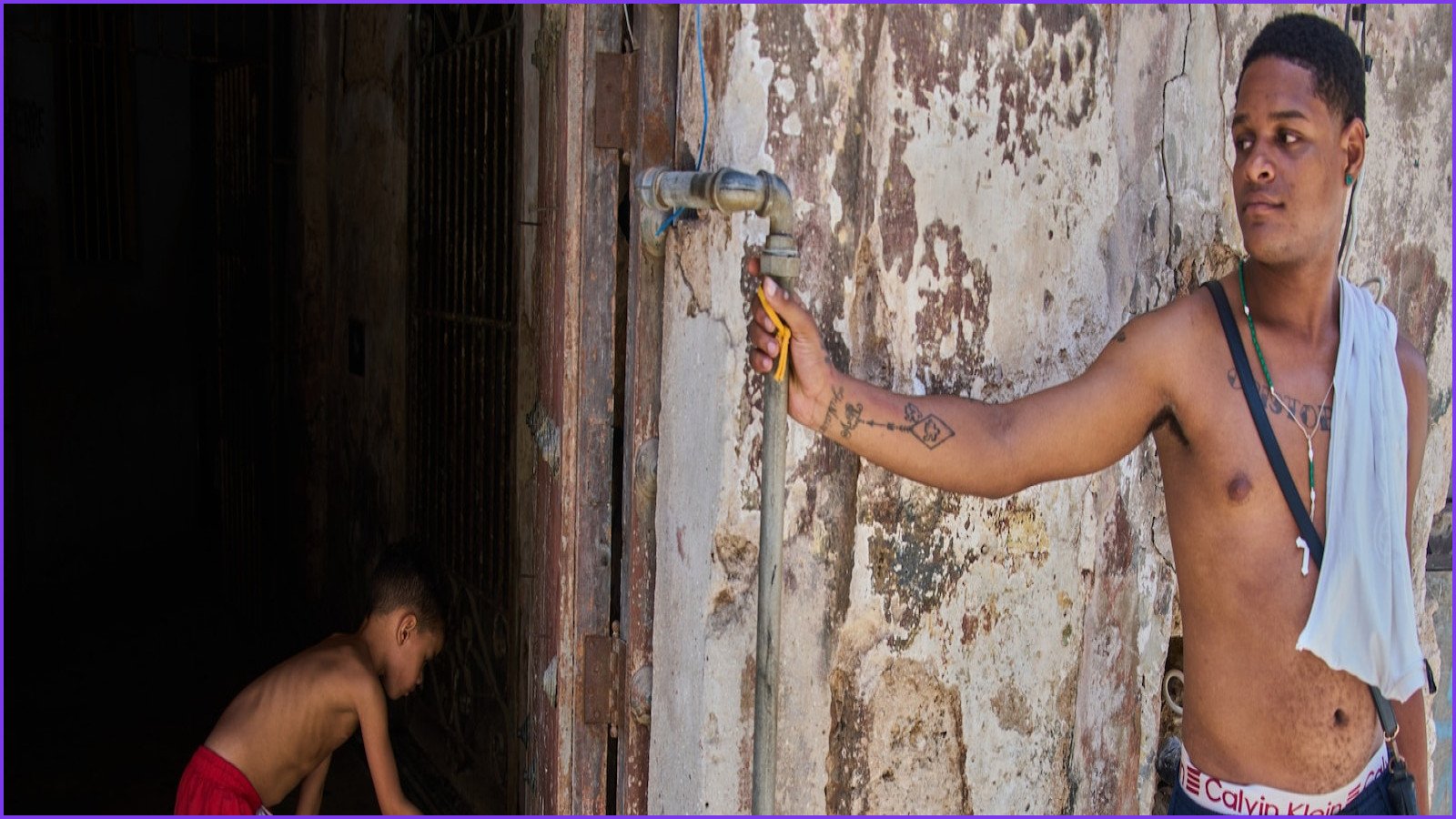
For many residents, the frequent outages have become an expected part of daily life. Roberto Liana, a 69-year-old retail clerk in Havana, noted that these blackouts are now considered normal. To cope with the instability, families are increasingly relying on personal solar panels and portable batteries, while electric motorcycles and tricycles have become the primary means of transport for many citizens. As Sayli Aguilera, a 25-year-old mother, described the situation: "We’re improvising and doing what we can." Currently, there is no clear solution in sight for the island's fuel import challenges.