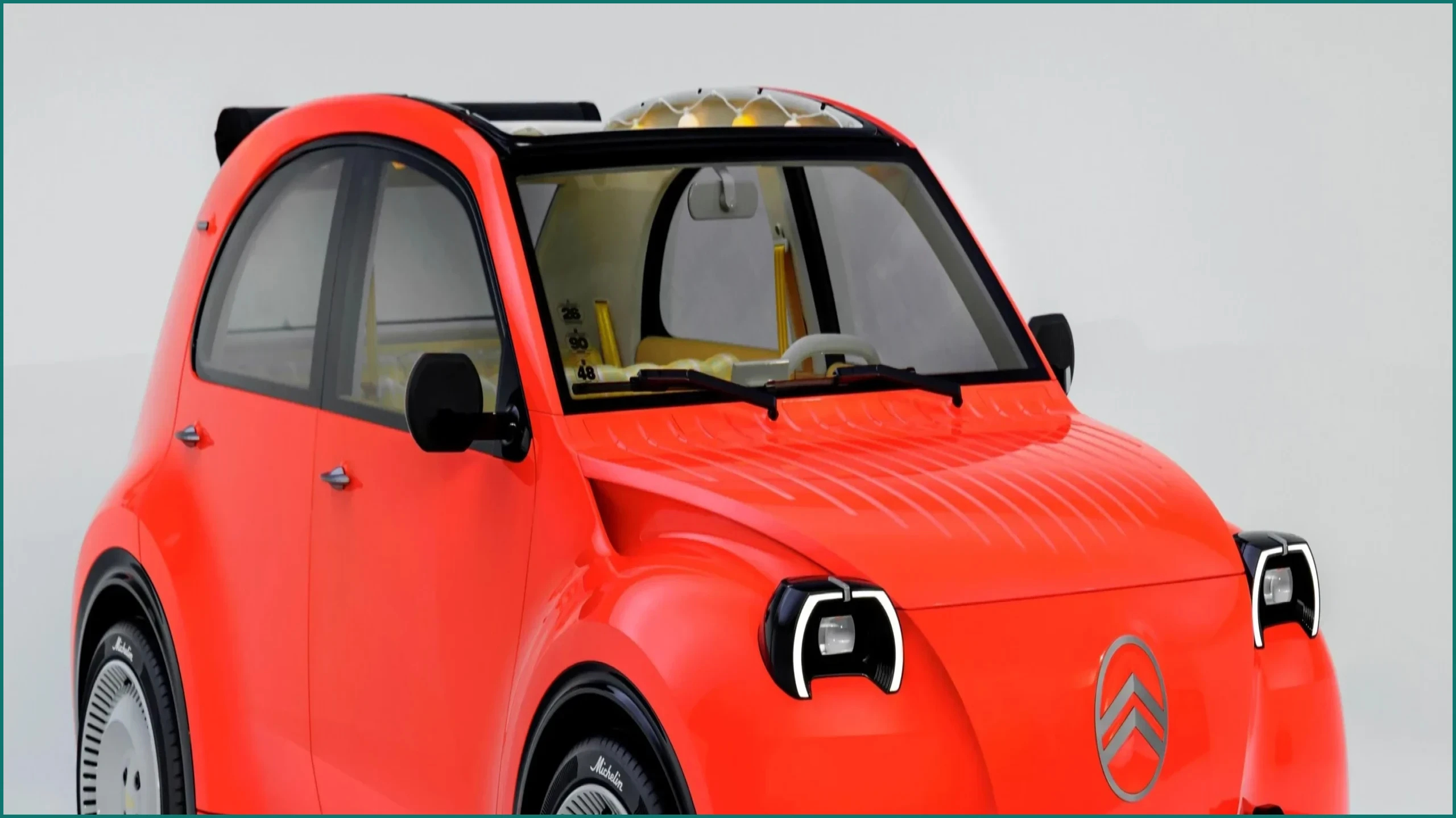
French carmaker Citroen has unveiled an electric revival of its iconic 2CV, hoping to leverage the brand's heritage to boost sales in the challenging electric vehicle market. The new small city runabout, featuring retro styling reminiscent of one of the company's most famous designs, was showcased at the Paris Motor Show.
Citroen chief executive Xavier Chardon described the new vehicle as "a modern, ingenious and refreshing response to the mobility challenges of tomorrow." The move comes as European manufacturers, including Citroen, face increasing competition from Chinese carmakers, prompting them to exploit their historical brands to sell modern vehicles.
The original Citroen 2CV, launched in 1948 as Europe recovered from World War Two, was engineered as an affordable and robust means of transport for French farmers and rural communities. It was renowned for its high wheel arches and soft suspension, which legend claims allowed it to traverse a ploughed field without breaking a tray of duck eggs. Its design also featured a high roof, enabling drivers to wear hats at the wheel, and was celebrated for its ease of driving and simple repairability. Fans of the original "deux chevaux," or "two horses," continue to hold annual gatherings, such as a recent muddy event in Switzerland.
The new electric 2CV is expected to retail for approximately £13,000. While its final design may evolve, the current model shares numerous styling cues with its predecessor, including high, flared wheel arches, a tall, curved roof, and distinctive eye-like headlights.
Citroen's strategy of using nostalgia to sell new cars is a well-established trend in the automotive industry. Volkswagen famously resurrected the Beetle in the late 1990s, albeit with limited success. BMW's Mini models have consistently incorporated styling that harks back to the original British design, and Fiat has successfully sold a retro-styled Fiat 500 for the past two decades. This retro-nostalgia trend has gained momentum recently, as carmakers seek new ways to appeal to consumers who remain skeptical about electric vehicles.
French rival Renault has been a leader in this approach, starting with the Renault 5 E-Tech, which visually echoed the distinctive boxy shape of the original Renault 5, once a common sight on French streets. Renault has since also revived its Renault 4 and Twingo brands. Other manufacturers are following suit, with Volkswagen offering the distinctive ID-Buzz minivan, a nod to the classic T2 Transporter, and Ford reportedly developing a new EV widely anticipated to be named the Fiesta.
Rachel Burgess, senior editor of Autocar magazine, views this strategy as highly effective. "It's a brilliant differentiator from all-new car brands," she stated. "An older audience might remember the originals and feel warmly towards them, and a younger audience might find an appeal in the retro aspect."
The need for innovative ways to make cars appealing has become critical as European manufacturers confront growing competition from Chinese brands. David Leggett, automotive editor at Global Data, warned, "Many in the industry believe the big automotive players in Europe…face a very serious existential threat from aggressive Chinese manufacturers."
Automotive researcher and author Dr. Paul Nieuwenhuis believes that in this competitive environment, heritage and nostalgia can be powerful assets for established brands. "The Chinese can establish new design trends, but there is limited history there," he noted.
However, Leggett cautioned that Citroen will require more than just nostalgia for its new car to become a bestseller. He advised, "A reimagined Citroën 2CV should give a big nod to its ancestor – especially on price and design simplicity as well as visual cues," adding, "But it also needs to be a credible modern electric car in terms of functionality and features, with widespread appeal."