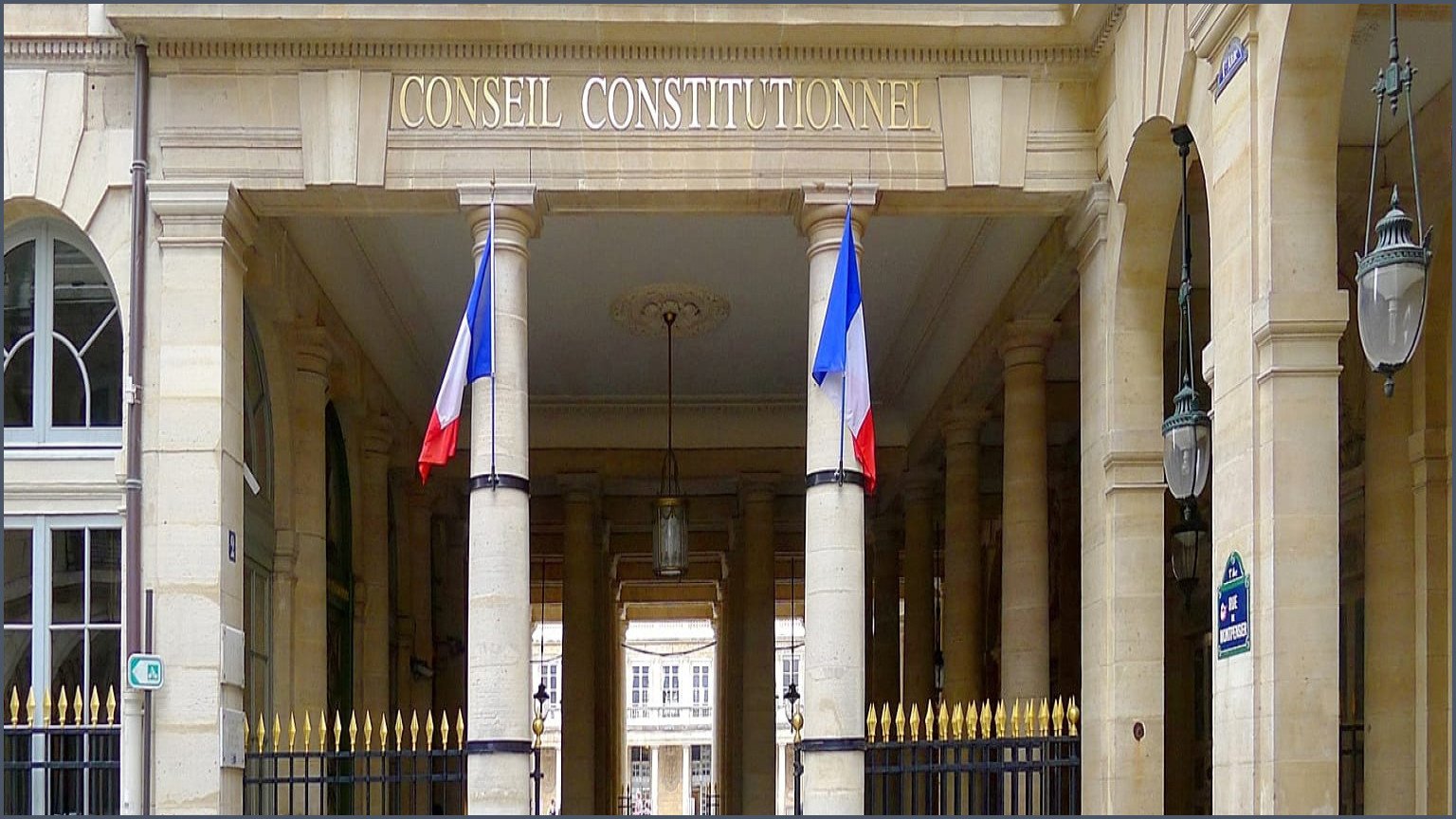
France's Constitutional Council issued a high-profile ruling on Friday, delivering a mixed outcome for President Emmanuel Macron’s legislative agenda. The top judicial body officially approved a new law establishing the right to assisted dying for certain adults, while simultaneously striking down a proposed ban on social media access for children under the age of 15.
The assisted dying legislation, which was passed by parliament in July following years of intense debate, is considered a centerpiece of the social reforms introduced during President Macron’s second term. The Élysée Palace praised the decision, stating that the ruling concludes an exemplary democratic debate and provides an essential safeguard for citizens. With this approval, France joins nations including Belgium, Switzerland, the Netherlands, and Canada in legalizing the practice. This decision marks a significant victory for Macron, who promised the law after his 2022 re-election, representing one of France's most substantial social reforms since the legalization of same-sex marriage in 2012.
To be eligible for the procedure, a patient must be of legal age and either a French national or a long-term resident. They must suffer from an incurable condition causing pain that is either unresponsive to treatment or, in the patient's view, unbearable if they have chosen to stop receiving or not to receive treatment. The patient is expected to administer the lethal substance themselves, though exceptions are provided for those physically unable to do so, who may receive assistance from a healthcare worker.
While the law was approved, the Constitutional Council requested clarification on specific provisions, particularly the so-called conscience clause, which allows healthcare professionals to refuse to participate in the procedure. The council specified that this clause must also apply to private healthcare facilities where assisted dying is deemed "manifestly contrary" to their mission, provided those facilities are not the only establishments able to meet "local needs." This adjustment specifically addresses a key demand raised by Catholic healthcare institutions.
Conversely, the council dealt a significant blow to the administration by rejecting the proposed ban on social media access for children under 15. The judges ruled that Article 1 of the legislation "constitutes an infringement that is neither appropriate, necessary, nor proportionate" to the freedom of expression and communication of those under 15. Furthermore, the council expressed concerns regarding the potential impact on privacy if a universal age-verification system were introduced for all users. The law, which was scheduled to take effect on 1 September, would have restricted younger users from platforms such as TikTok, Snapchat, and Instagram.
The French government had promoted the ban as a necessary measure to protect young people from the harmful effects associated with social media, including anxiety, depression, sleep disorders, and online harassment. Despite the setback, President Macron remains determined to see the reform implemented. His office confirmed that he has tasked Prime Minister Sébastien Lecornu with working "as quickly as possible" on a new, legally robust draft that accounts for both the Constitutional Council's ruling and the European regulatory framework. Former prime minister Gabriel Attal, who supported the proposal, expressed his disappointment in a post on X, noting that while the government respects the decision, he remains committed to fighting against what he described as "a deadly poison for our children." The Constitutional Council did not rule on a separate provision banning mobile phone use in high schools, which is also set for 1 September.