The Trump administration has petitioned the US Supreme Court to allow construction to resume on a disputed $400 million White House ballroom project, following a federal appeals court ruling that halted the work.
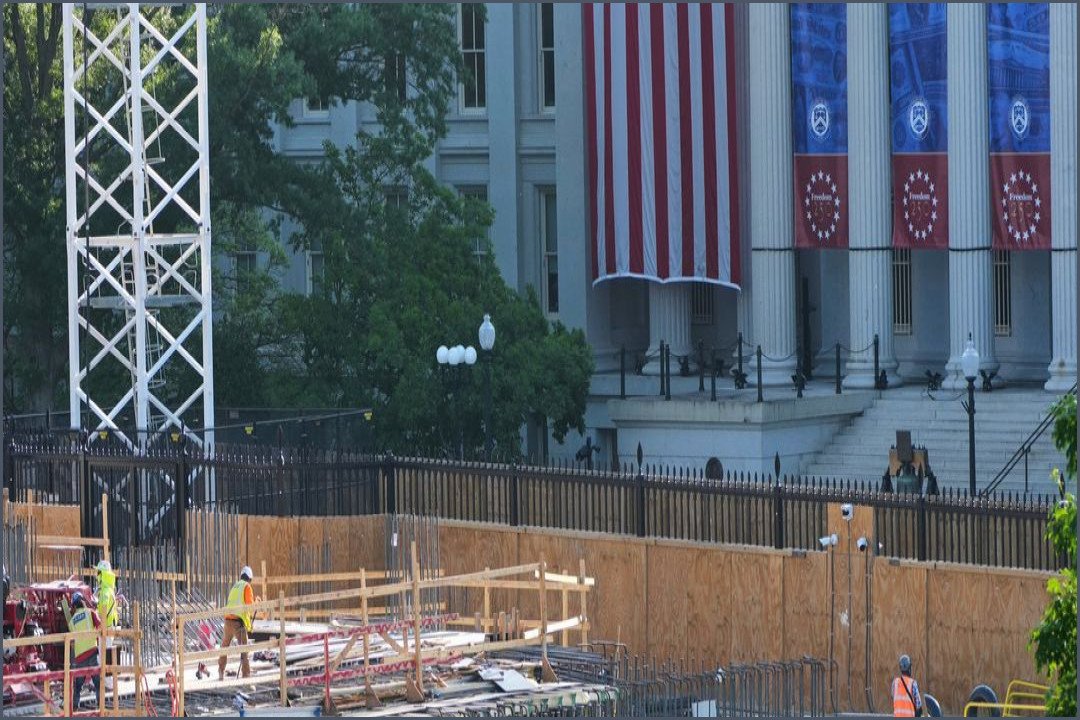
US Solicitor General John Sauer filed the request on Friday, asking the high court to suspend a recent decision by a divided three-judge panel of the US Court of Appeals for the District of Columbia Circuit. That panel ruled 2-1 that President Donald Trump lacks the unilateral authority to build the 90,000-square-foot facility without explicit congressional approval. The project is located where the White House's East Wing stood before Trump ordered its demolition last fall.
In the Supreme Court filing, Sauer argued that the construction is "absolutely required" for the president's safety, pointing to recent attempts on Trump's life. While Trump initially stated the ballroom was needed to host galas, his administration has since emphasized the addition of security features, framing the entire project as a matter of national security.
The legal battle highlights the limits of presidential authority. Although the DC Circuit Court of Appeals had allowed construction to proceed while reviewing the case, it ultimately agreed with a lower court that such a massive overhaul of the White House requires Congress's consent. However, the appeals court stayed its own ruling for two weeks to allow the administration time to seek Supreme Court intervention.
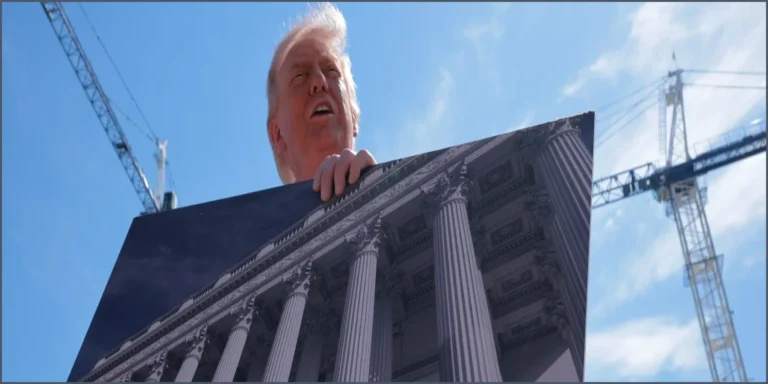
Trump reacted strongly to the appeals court's decision, branding it "horrendous, politically motivated, and unlawful" in a lengthy social media post where he promised an immediate appeal. Under the initial district court order, construction was restricted, with work permitted to continue only on a limited set of structures, including those underground.
In its ruling, the appeals court majority clarified that the decision was not a policy judgment on the ballroom itself. "This holding has nothing at all to do with whether the proposed ballroom is desirable, or not, as a matter of policy. This ruling does not even necessarily mean that the Defendants may not ultimately construct the ballroom," the judges wrote. "What it does mean is that the Defendants may not do so during the district court's expeditious litigation without securing Congress's authorisation, as the Constitution and laws require."