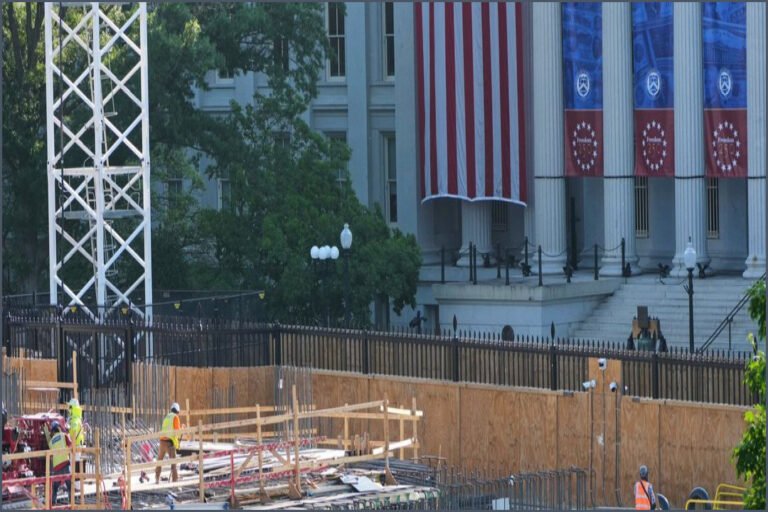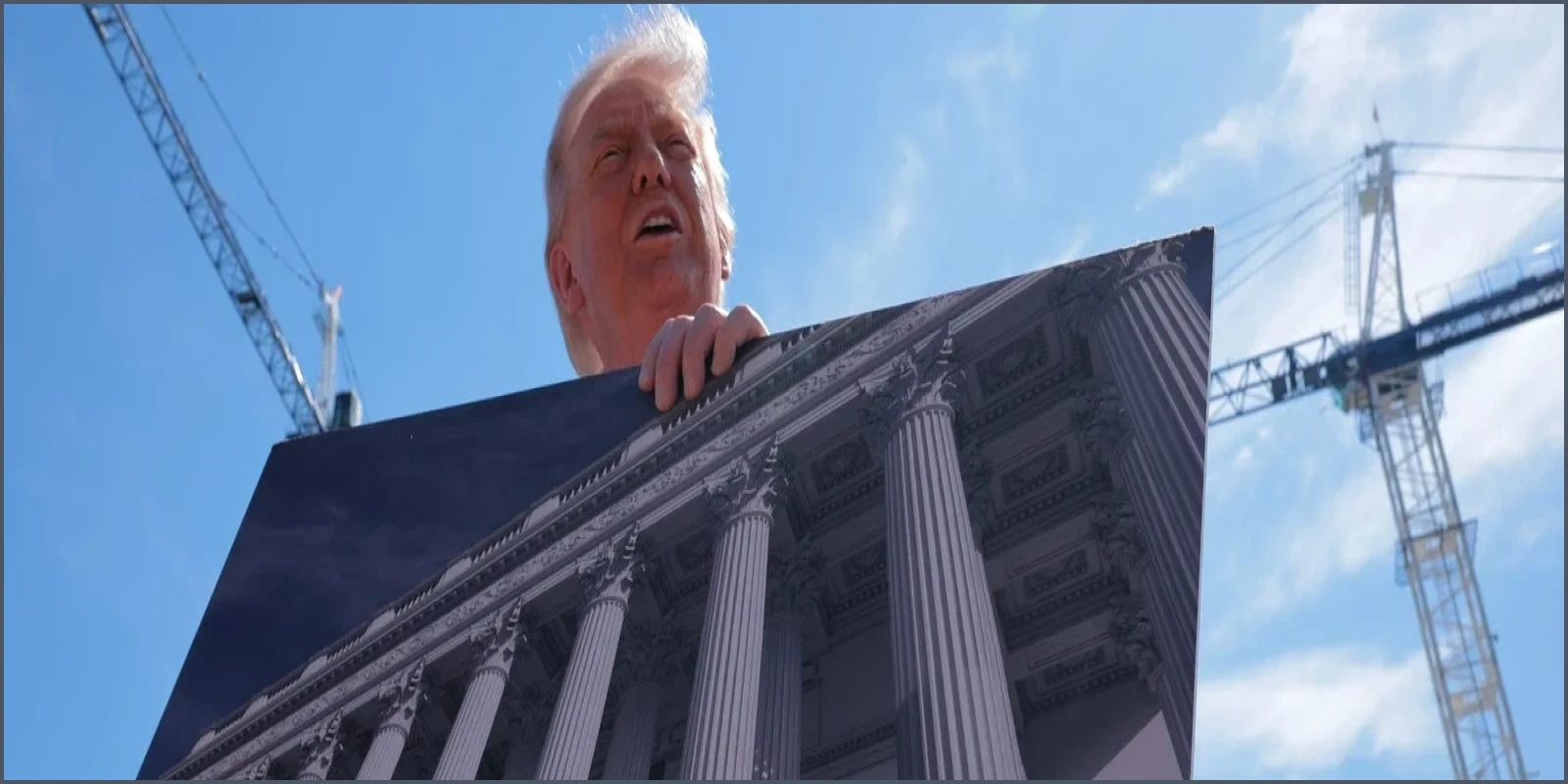
On Friday, Aug. 14, the Trump administration formally requested that the Supreme Court intervene to allow the continuation of construction on a $400 million White House ballroom. In an emergency appeal, the administration argued that lower courts erred in their conclusion that the massive project requires specific congressional approval.
The legal challenge seeks to pause an existing order that has halted all above-ground construction on the 90,000-square-foot facility, which is being financed through private funds.
President Donald Trump originally authorized the demolition of the East Wing last October to initiate the project. While a federal appeals court recently upheld a district judge's ruling to stop the work in a 2-1 decision, the administration remains firm in its stance. The U.S. Court of Appeals for the D.C.
Circuit stated in its opinion that it is the responsibility of Congress to ensure that major security and construction projects at the White House protect the safety of the location while maintaining its architectural and historical significance.
Circuit Judge Neomi Rao, who was appointed by President Trump, dissented from the majority opinion. She argued that the district court had improperly seized control of the construction process, noting that the government should not be forced to rely on a district court’s architectural approval to secure the president's home and office.
The two judges who voted to uphold the halt, Patricia Millett and Brad Garcia, were appointed by Democratic presidents.
The administration maintains that the full construction project is essential, warning that current conditions leave the White House "open and exposed" and pose "grave national-security harms" to the president, his family, and staff.
Director of National Intelligence Jay Clayton emphasized in the appeal that the project is critical for ensuring the White House remains a secure location for gatherings of the president and senior government officials.
Furthermore, the Justice Department has challenged the standing of a member of the National Trust for Historic Preservation to sue based on personal, "subjective preference" regarding the building's aesthetic.
While the current court order allows for some work to proceed—specifically regarding below-ground bunkers, bomb shelters, and necessary military or medical infrastructure—the appellate court majority rejected the administration's broader national security arguments.
The court noted that these assertions do not function as an "automatic get-out-of-law-free card," adding that the executive branch cannot act with "utter lawlessness" in destroying historic landmarks.
President Trump, who has overseen various renovations including the replacement of the Rose Garden lawn with a patio and the gilding of the Oval Office, has long advocated for a ballroom to host large state dinners, citing a dislike for using tents.
If the Supreme Court allows the project to move forward, the administration expects completion shortly before the end of the president's term.
If allowed to continue, construction is expected to be completed a few months before the end of Trump's term, according to the administration.
Contributing: Swapna Venugopal Ramaswamy