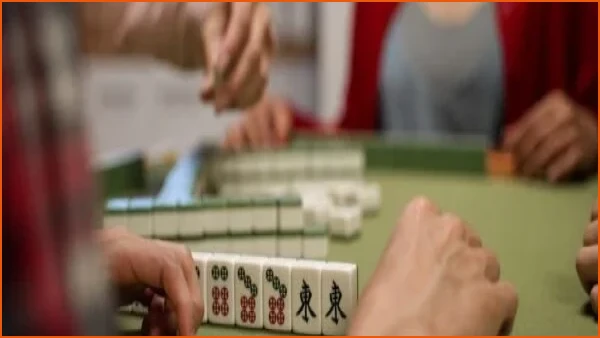
The centuries-old Chinese tile game of Mahjong is experiencing a significant global resurgence, transforming into a popular lifestyle trend with designer tile sets, dedicated parties, and a growing number of clubs and classes. However, this renewed interest is prompting critical questions regarding cultural exchange, commercialization, and the implications of a tradition rooted in Chinese history becoming a modern trend.
Mahjong originated in eastern coastal China in the mid-1800s, towards the end of the Qing Dynasty, evolving from earlier Chinese tile-based games, though its precise origins remain debated. In China, the game's history mirrors broader societal shifts. During the late Qing and Republican periods (1912–49), Mahjong transitioned from male-dominated gambling venues like teahouses and brothels into bourgeois homes and parlours, increasingly associating with women's social lives and reflecting evolving gender roles and attitudes toward leisure.
Traditionally, Mahjong involves four players who draw and discard from 144 tiles to form winning combinations, relying on strategy, probability, memory, and the ability to read opponents. The social aspect of the game is considered equally vital. Today, over 40 iterations of Mahjong are played worldwide, with variations in rules, player numbers, and tiles. Notable Chinese variants include the Cantonese and Hong Kong styles, distinct from versions like Japanese riichi mahjong.
A particularly distinctive adaptation is American Mah Jongg, developed in the 1920s. This version features its own rules and incorporates joker tiles not found in the original. The spelling “Mah Jongg” was adopted for commercial branding during the American mahjong boom and was later standardized by the National Mah Jongg League. The current revival in the United States largely centers on American Mah Jongg, while in Australia, newer clubs such as Lucky Tiles are introducing players to the Hong Kong style.
Outside China, Mahjong serves as a crucial tool for the Chinese diaspora to maintain cultural identity, fostering community and intergenerational connection. The game’s commercial growth, however, has ignited debates about cultural appropriation, a tension not new to its history. During the 1920s American mahjong craze, affluent White American women embraced what historian Heinz described as an Orientalist “feminine exoticism,” involving Chinese-inspired dress and language to perform an imagined version of Chinese culture. Ironically, this enthusiasm coincided with escalating anti-Asian prejudice and immigration restrictions in the United States.
Philosopher James Young posits that cultural borrowing is a normal feature of human societies and not inherently unethical. The critical consideration, he argues, lies in how cultural practices are adopted: Are their origins acknowledged? And does the “borrowing” cause harm to the communities from which they originate? Cultural critic bell hooks, in her essay “Eating the Other,” cautioned against treating culture as an aesthetic object detached from its history. This tension was highlighted in a 2021 controversy when Dallas-based company The Mahjong Line marketed sets that replaced traditional Chinese tiles with English words and Western symbols.
The financial beneficiaries of the Mahjong comeback are also part of the discussion. Oh My Mahjong, another Dallas-based company founded in 2022 by Megan Trottier, reported over $30 million in revenue in 2025. Furthermore, luxury brands like Hermès are selling Mahjong sets for tens of thousands of dollars, illustrating how the culturally significant game has been transformed into a lucrative commodity. The ongoing challenge will be to ensure that Mahjong’s increasing popularity remains deeply connected to the Chinese communities and histories that shaped it, ensuring those communities have a meaningful voice in its future.