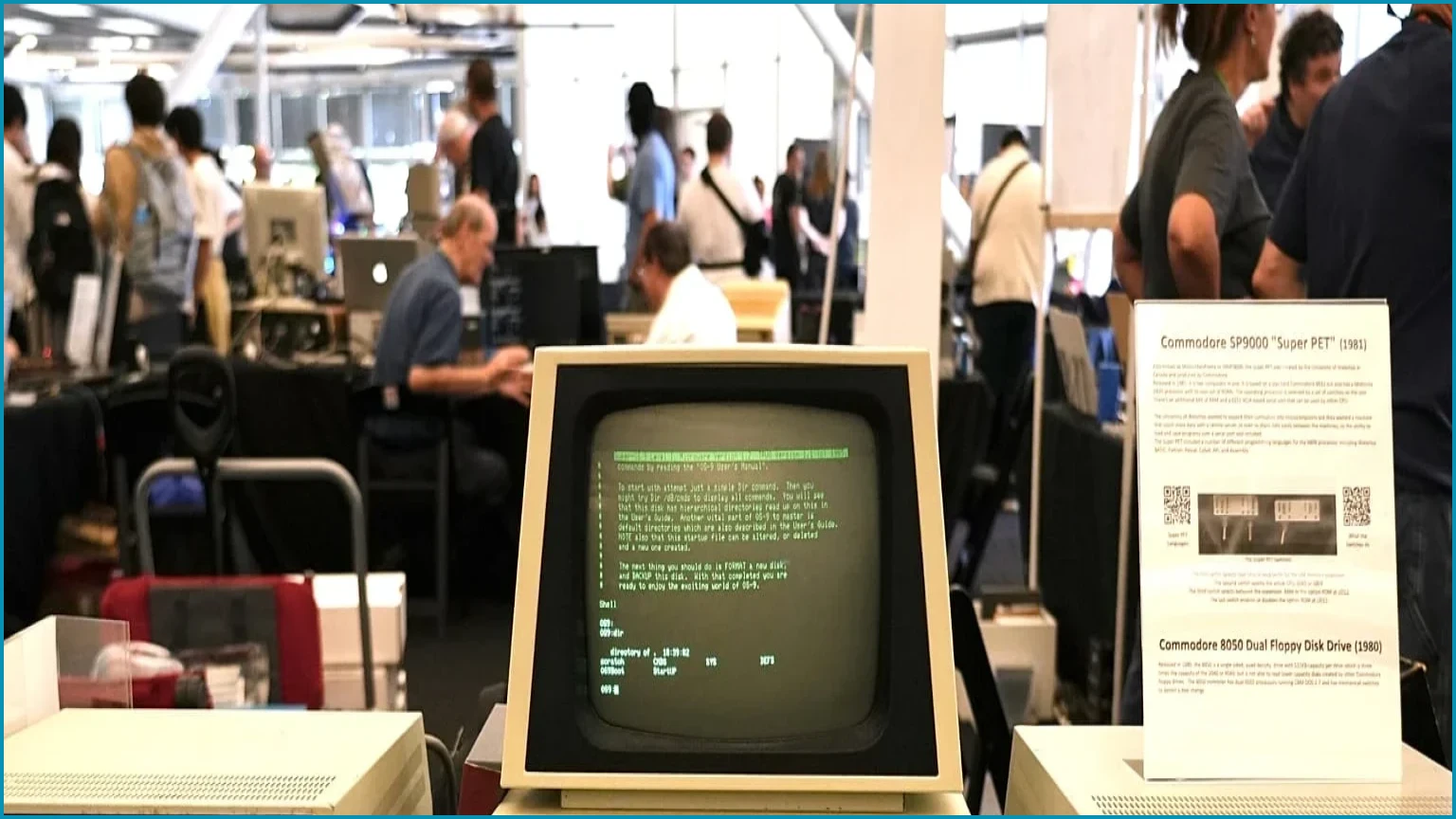
Software engineer Josh Dersch, based in Seattle, estimates that he owns more than 200 vintage computers and devices. His collection is part of a broader, growing trend of technology preservation that has spread from North America to Europe. For Dersch, the hobby is about more than just ownership; it is about understanding the origins of the digital world. He finds it a fascinating challenge to debug and repair these machines, noting that they allow a user to understand an entire system from top to bottom. Where some might see discarded junk, collectors like Dersch see historical artifacts that deserve respect and preservation.
This community of enthusiasts is dedicated to saving the classic machines that helped launch the digital revolution, including Atari, Commodore, and IBM systems. These devices are the direct ancestors of today’s smartphones, laptops, and wearable technology. Collectors often find joy in the sensory experience of their hobby, such as hearing the specific beeps and chimes of their childhood or firing up low-definition games like "Pong" or "Space Invaders."
Erik Klein, president of the Vintage Computer Federation, confirms that enthusiasm for computer history is on the rise. The federation organizes an annual festival at the Computer History Museum in Mountain View, located in the heart of Silicon Valley. This year, the two-day event held in early August attracted more than 3,500 attendees. The festival celebrated the 50th anniversary of Apple, which was founded in 1976 in nearby Cupertino, California. The event featured a notable panel with Apple co-founders Steve Wozniak and Ronald Wayne, who reminisced about the company’s early days as a scrappy start-up led by the late Steve Jobs.
The growing interest in these machines is also reflected in the marketplace. Klein notes that demand for vintage computers is increasing, with rare and iconic items like the Apple-1—the company’s first product—capable of fetching hundreds of thousands of euros. Collectors at these festivals exhibit systems they have painstakingly restored to their original working condition, offering attendees a chance to interact with technology built long before the internet, social media, and AI transformed the world.
Dersch, for instance, drove from Seattle to showcase the pride of his collection: the Xerox Alto. He spent years restoring the machine, which was developed at the pioneering Xerox Palo Alto Research Center in the 1970s and is widely considered the "grandfather of the modern computer." The Alto was one of the first systems to move beyond text-based screens, introducing the mouse and a graphical user interface—including windows, icons, and cursors—that eventually became the industry standard. This model famously inspired both Steve Jobs and Bill Gates to incorporate these technologies into their own early products.
For some, the hobby requires careful management. Klein, a software engineering manager in Silicon Valley, was once a passionate collector who owned as many as 150 systems, complete with accessories, documentation, and original packaging. However, the collection eventually overwhelmed his home and family life, becoming what he described as an "albatross." Concerned about burdening his family, he sold or gave away most of his machines, keeping only a few favorites. Now, he channels his passion into organizing festivals, swap meets, and repair workshops as president of the Vintage Computer Federation.
Sellam Ismail, who organized the first festival in 1997 with about 150 hobbyists, is thrilled to see the community mature. After running the events for a decade and co-founding the Vintage Computer Federation, he has helped other groups launch similar festivals in Germany, Switzerland, and Argentina. Having once stored a massive collection in a warehouse, Ismail remains optimistic about the future of the hobby. With the 30th anniversary of the festival approaching next year, he expects the community to continue to grow even larger.