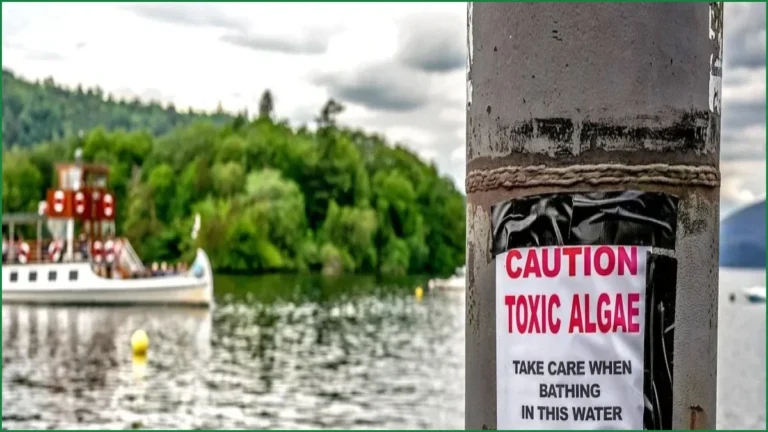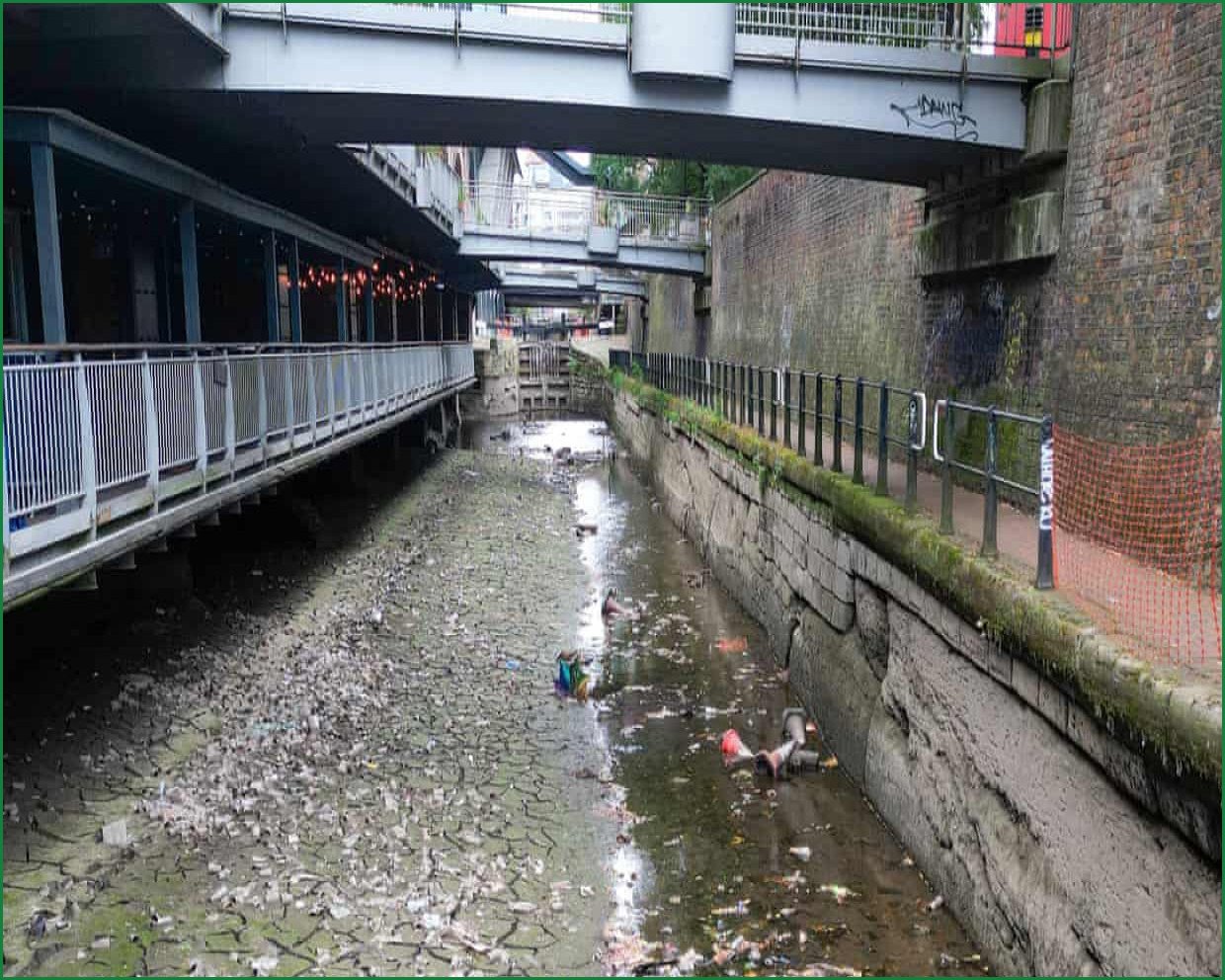
New government data has confirmed that every single water body in England is currently polluted with toxic chemicals. The findings, released as part of a six-yearly evaluation by the Environment Agency, reveal that all of the country’s rivers, lakes, and estuaries contain hazardous substances, ranging from microplastics to "forever chemicals" such as PFAS.
The assessment highlights a significant failure to meet water framework directive regulations, which mandate that all water bodies should reach good chemical and ecological status by December 2027. According to the Environment Agency, the widespread contamination is driven primarily by the presence of mercury, Pfos—a type of PFAS linked to cancer—and PBDEs, which were formerly used as flame retardants. These persistent chemicals do not break down easily and accumulate within the environment. Official projections suggest that these waters will not reach good chemical status until 2063, when the pollutants are expected to have degraded sufficiently.
Beyond chemical contamination, the Environment Agency evaluated waters against standards for wildlife, water quality, and physical habitat. These results showed that only 14.3% of England’s surface waters achieved good ecological status, a decline from 16.3% in 2019, although the agency noted that updated analytical methods mean the two datasets are not directly comparable.
Ami McCarthy, head of politics at Greenpeace UK, described the findings as "sobering" and urged the government to take immediate action to address the sources of chemical pollution. McCarthy also highlighted the impact of agriculture, noting that fertilizer and pesticide runoff is a major driver of environmental damage in UK rivers. Environment Secretary Angela Eagle stated that the results underscore the necessity for "wholesale change across the water sector."
The government has faced criticism for its handling of chemical pollutants, specifically regarding its plan to tackle PFAS, which critics argue lacks the rigor of European standards. Furthermore, the UK remains one of the few countries that has not yet banned mercury in dental fillings. River Action’s chief executive also criticized the state of the nation's waterways, describing them as some of the "filthiest in Europe" due to sewage from water companies and agricultural runoff from intensive poultry farming. In response, the Environment Agency stated it is currently working to improve its understanding of chemical sources affecting groundwater, rivers, and drinking water catchments.