The United States government has officially suspended all operations in the Mexican state of Michoacan, including the mandatory safety inspections required for avocado exports. The U.S. Embassy announced the move on Wednesday, citing a "threat to U.S. interests," though it did not provide specific details regarding the nature of the security alert.
Michoacan Governor Alfredo Ramírez Bedolla stated via social media that the temporary suspension is a measure intended to protect workers following recent arrests related to extortion. The state serves as the primary exporter of avocados to the United States, and the inspections are a critical logistical step for shipping the product. State Security Secretary Antonio Cruz clarified that his department has no record of direct incidents involving the inspectors themselves. However, as a preventive measure, 300 security personnel have been deployed to the Los Reyes region.
The recent law enforcement activity included the arrest of Alfonso Fernández Magallón, known by the alias "El Poncho." Fernández Magallón, a leader of a local cartel operating in the avocado-growing region, was apprehended over the weekend. The U.S. government had previously issued a $5 million reward for his capture, an action welcomed by U.S. Ambassador to Mexico Ronald Johnson. Michoacan remains a region with significant organized crime presence, with at least four cartels—previously designated as terrorist organizations by the Trump administration—active in the area. These groups are known to target the avocado industry through extortion.
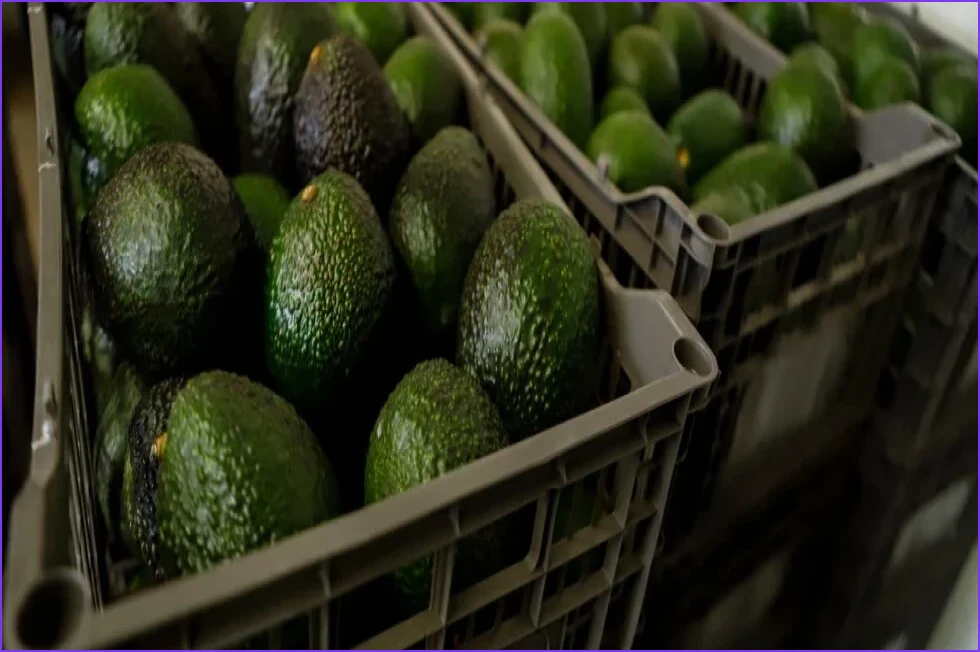
Governor Ramírez Bedolla emphasized that the current priority is to restore the security conditions necessary for export operations to resume, a process that has been managed successfully in the past. Mexico accounts for roughly 80% of U.S. avocado imports, a commodity frequently referred to as "green gold" that supports approximately 200,000 jobs in Michoacan alone. In 2025, Mexico recorded $3.65 billion in avocado sales to the U.S., with exports rising 35% in the first four months of this year compared to the same period last year. The U.S. Department of Agriculture maintains inspectors in Mexico to ensure that produce is free of pests, a process that has been interrupted by threats and violence in previous instances.