FIFA, the governing body of world soccer, has officially shelved a controversial proposal that would have introduced billions of dollars in private commercial investment into the World Cup. The decision follows intense and widespread opposition from its member nations, who raised significant concerns about the potential impact of the plan on the sport.
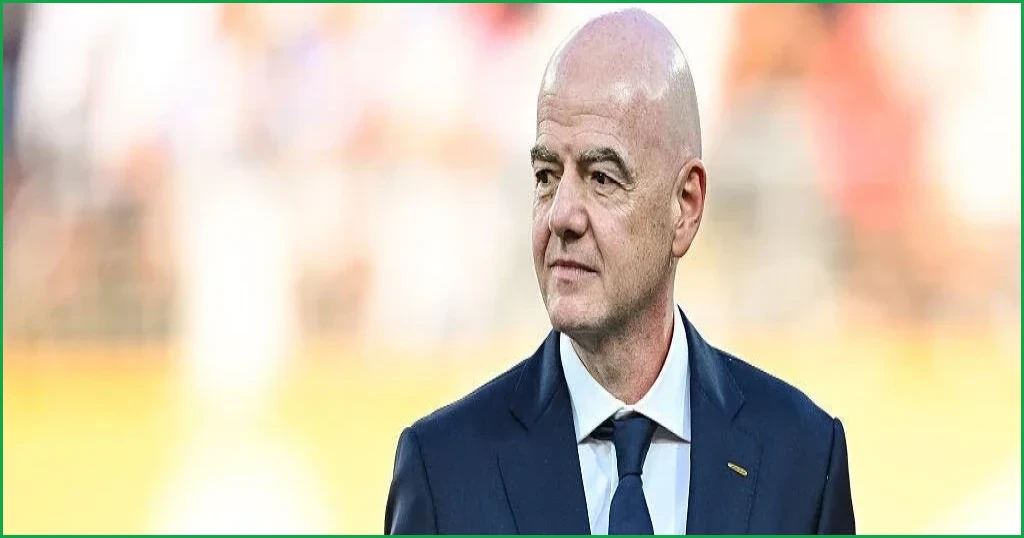
FIFA President Gianni Infantino announced the reversal on Friday evening. In a statement, Infantino acknowledged that the proposal had caused significant friction within the organization. "Having listened carefully to all the views, it has become clear that the project has created divisions of a nature that, regardless of the level of support, are no longer in the interest of the objective set out in the first place," Infantino said.
The initiative, first brought to light by the British newspaper The Times earlier this week, was known as FIFA Forward Enterprise (FFE). Under the proposed structure, FIFA would have established a commercial rights and event operations company. FIFA intended to retain 80% ownership of this entity while selling a 20% stake to private investors. The organization had valued the FFE at $20 billion, with $4.2 billion intended to be used for "carefully selecting long-term investors."
The backlash to the proposal was swift and severe. UEFA, the powerful European soccer federation, announced on Thursday that its 55 members had agreed to boycott competitions organized by FIFA, including the World Cup, if the project proceeded, describing the plan as "irresponsible and indefensible." North America's governing body, the 41-member Confederation of North, Central American and Caribbean Association Football (CONCACAF), also rejected the plan. CONCACAF questioned the necessity of seeking private equity to fund FIFA Forward programs, particularly following what they described as the most profitable World Cup in history, though they stopped short of issuing a formal boycott threat.
On Friday, the Asian Football Confederation issued a statement that did not outright reject the plan but expressed solidarity with UEFA and CONCACAF. They cited "serious concerns" regarding the proposal to introduce private investment into flagship competitions and the decision-making process surrounding FFE. The internal fallout also included the resignation of Carlos Cordeiro, one of Infantino's senior advisers. Cordeiro stated that he could not "stand by while FIFA considers selling a stake in the World Cup."
Infantino defended the original intent of the project, stating it was designed to strengthen member associations and support the sport globally, particularly in countries where support is most needed. He maintained that the project was always subject to consultation with the FIFA Council, the confederations, and wider stakeholders. However, the proposal arrived amid mounting criticism regarding Infantino's relationship with President Trump leading up to the 2026 World Cup, which was hosted by the U.S., Mexico, and Canada. Last year, Infantino awarded the inaugural FIFA Peace Prize to Mr. Trump.
Further controversy arose earlier this month during the World Cup tournament when Mr. Trump stated he had personally asked Infantino to review a red card issued to U.S. striker Folarin Balogun during a knockout match against Bosnia and Herzegovina. Under standard FIFA rules, the red card necessitated a suspension for the team's subsequent match against Belgium. In an unprecedented move, FIFA overturned Balogun's suspension just one day before the match without providing a detailed explanation.