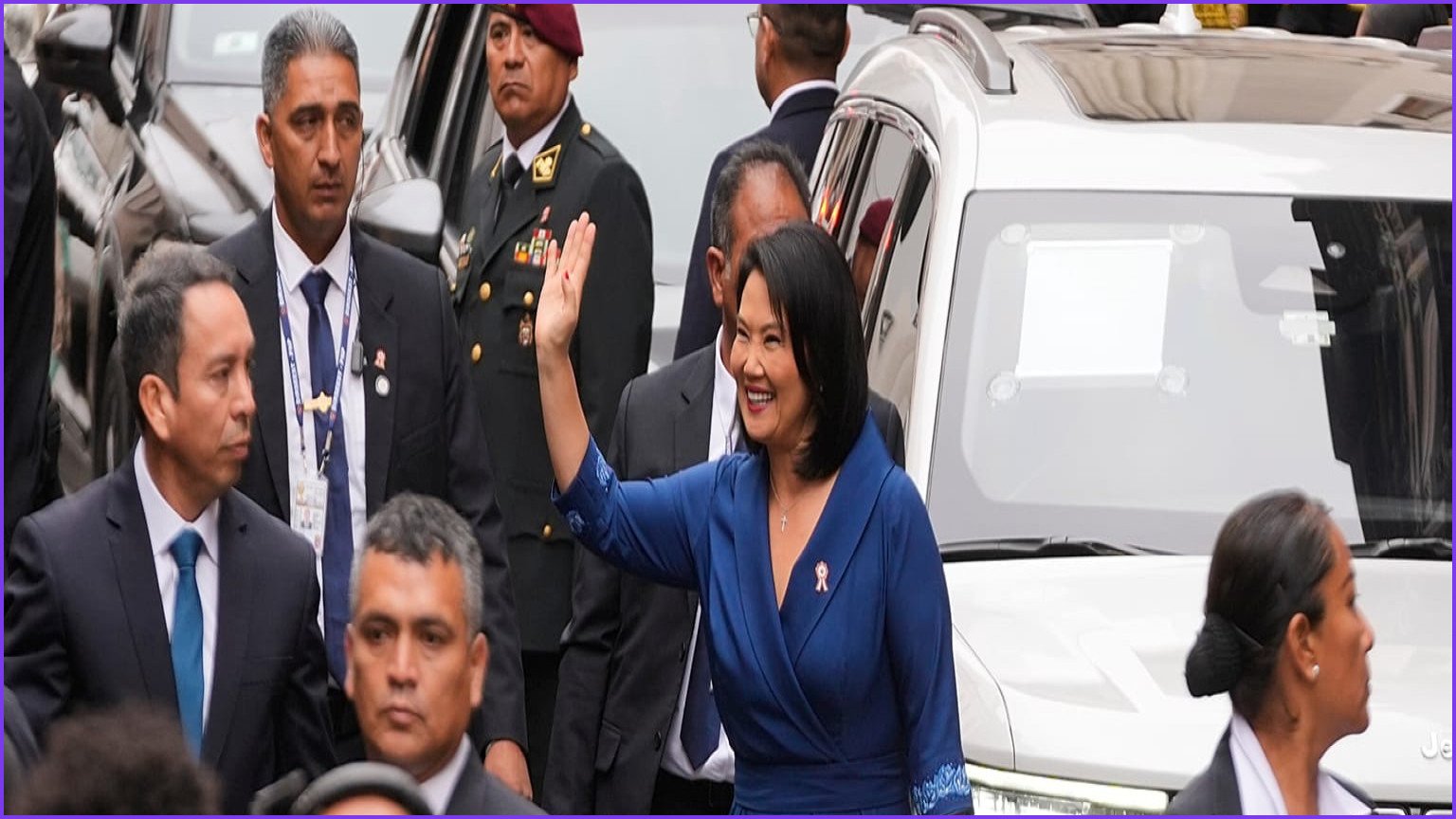
Keiko Fujimori was sworn in as the president of Peru on Tuesday, marking a historic milestone as the nation’s first female head of state. Her inauguration follows a narrow victory in the June election, where she secured the presidency by a margin of fewer than 50,000 votes.
Addressing the country’s security challenges, which served as a central pillar of her campaign, Fujimori vowed to govern with an "iron fist." Her administration plans to confront the rising threats of extortion and organized crime through several measures, including the construction of a mega-prison modeled after the Cecot facility in El Salvador. Additionally, she intends to implement policies that allow judges to maintain anonymity during criminal trials to protect their safety.
Beyond security, the new president has committed to stimulating economic growth by prioritizing infrastructure development. Her strategy involves streamlining the process for government agencies to form partnerships with private investors.
Meanwhile, opposition leaders have called on the incoming administration to prioritize the repeal of specific laws enacted by the previous Congress. Critics argue that these existing regulations have hindered the government's ability to effectively combat organized crime, and they are urging the new leadership to take immediate legislative action to address these concerns.