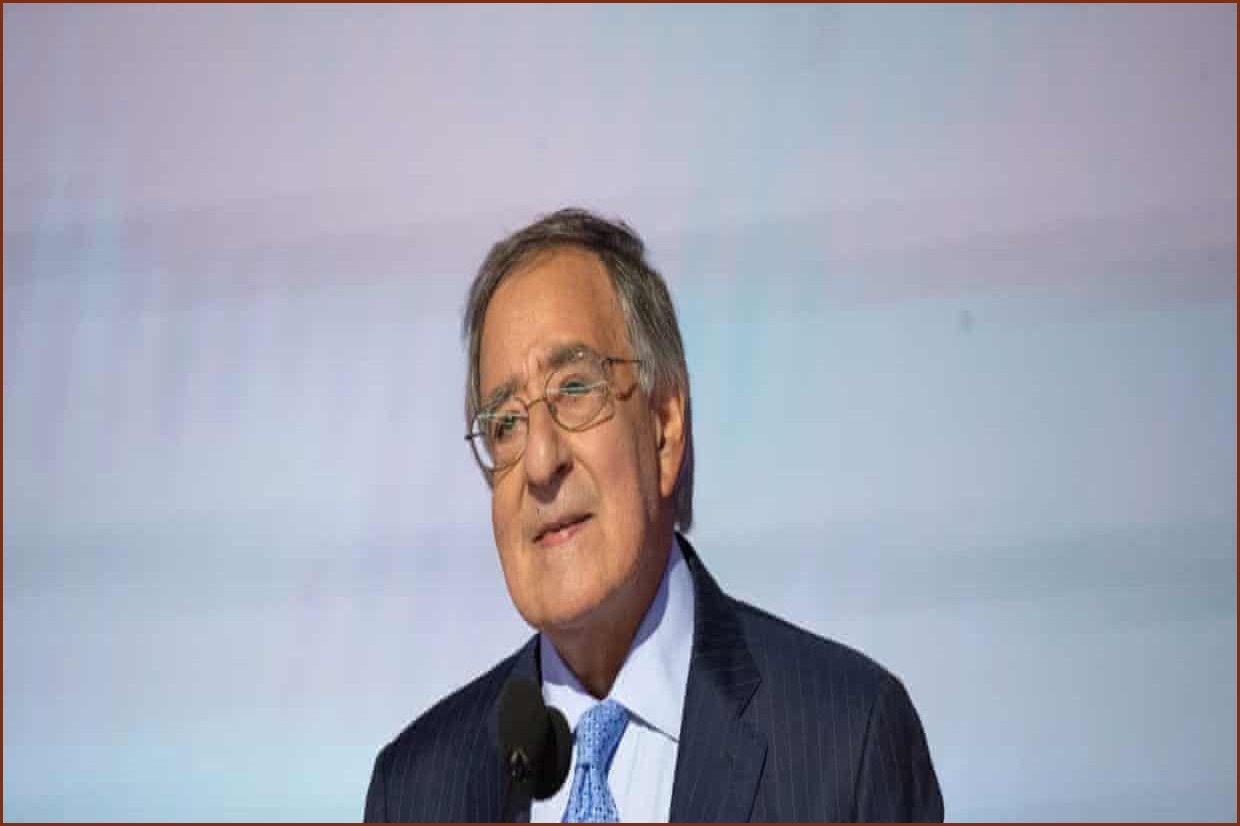
The Pentagon is facing sharp accusations of executing a deliberate cover-up to conceal the true number of American casualties in the war in Iran. Former defense secretary and CIA director Leon Panetta has condemned the Defense Department's current handling of information as a "shameful approach" that seeks to hide the human cost of the conflict ahead of the upcoming November midterm elections.
The controversy intensifies as the Pentagon has not held a formal press briefing in two-and-a-half months. A fragile ceasefire between the United States and Iran collapsed earlier this month, leading to a daily exchange of strikes and raising fears of a prolonged military quagmire. The escalation directly challenges Donald Trump's campaign promise to avoid "forever wars."
According to recent figures, the number of American troops killed in the five-month-old war rose to 18 last weekend, with approximately 430 service members injured. On Monday, the Pentagon reported that 100 personnel had been injured since July 7, though it claimed 96 percent of them had already returned to duty. However, this information was only acknowledged in a social media post after the New York Times revealed that the department had initially failed to disclose the casualty numbers. While defense officials dismissed the newspaper's report as "baseless and malicious"—arguing they are not strictly required to publicize injuries when troops quickly return to duty—suspicion grew when the Pentagon's website briefly lowered the official death toll from 18 to 14. Pentagon spokesperson Sean Parnell blamed this change on "a temporary data disruption."
Panetta, who conducted weekly briefings during the conflicts in Iraq and Afghanistan, strongly criticized the current lack of transparency regarding injuries from Iranian bomb attacks on U.S. bases. "There’s a deliberate effort here to basically withhold information from the American people, and I think it represents in many ways a shameful approach to sharing the responsibility that we all have when it comes to fighting a war," Panetta said.
Critics argue the information blackout is a calculated political maneuver. Ned Price, a former spokesperson for the State Department and former deputy to the U.S. representative to the United Nations, remarked, "This goes beyond a run-of-the-mill administration distrust toward and hostility against the press. This is more about shielding the American people from the true and total cost of this war." Price noted that while the public may know of the 18 deaths, the broader extent of the physical toll—which by one estimate includes some 500 physically affected service members—remains obscured. He suggested the administration fears that combining economic grievances like rising gas prices with the full toll on troops would further damage its political standing.
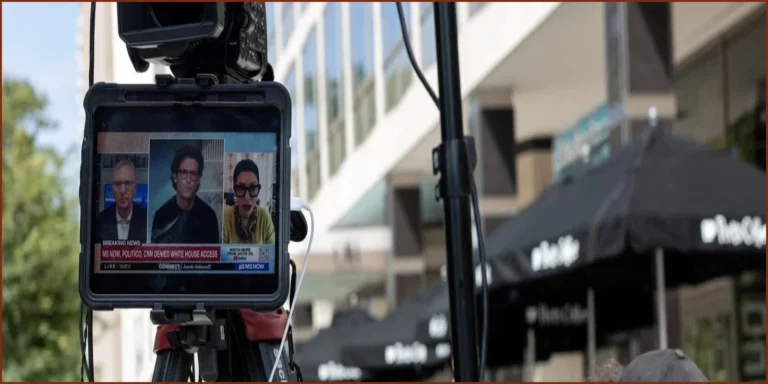
The restriction of information marks a significant shift in how the Pentagon interacts with the public. Since Donald Trump returned to power in January 2025, the Pentagon—which has been restyled as the Department of War—has systematically dismantled traditional press access. Major news organizations including the New York Times, National Public Radio (NPR), and Politico were removed from their long-held workspaces inside the building, replaced by Trump-friendly outlets such as Breitbart, the One America News Network, and the New York Post. In May, the department restricted reporters' movement within the building, and by October, most major media outlets surrendered their access badges and walked out rather than agree to rules requiring Defense Secretary Pete Hegseth's personal approval to report on any unreleased information. In December, the department held a three-day event to accredit pro-Trump podcasters and influencers, followed by a March rule requiring journalists to be escorted at all times. By June, the press office itself was declared a classified space, completely off-limits to reporters because it is shared with speechwriters handling classified materials.
Press freedom advocates have expressed deep alarm over these measures. Clayton Weimers, the Washington director for Reporters Without Borders, stated, "I don’t think it’s an exaggeration to say this Pentagon has been more hostile to the news media than any other Pentagon in recent memory." Mark Schoeff, president of the National Press Club, called the current restrictions unprecedented in his 34 years in Washington, noting that press access was kept open even during Desert Storm and the war in Afghanistan.
The current media blackout contrasts sharply with the early days of the war, when Defense Secretary Pete Hegseth frequently held bombastic briefings, boasting of plans to annihilate the Iranian military with "no mercy." However, the Pentagon later banned photojournalists after "unflattering" photos of Hegseth were published. Hegseth also compared reporters to "Pharisees" and described their coverage as an "endless stream of garbage." While formal briefings have ceased since May, Hegseth recently announced a military-wide screening program for "testosterone deficiency," prompting critics to accuse the administration of trying to distract from a war spiraling out of control.
Joel Rubin, a former deputy assistant secretary of state, observed that the communication breakdown suggests a lack of confidence. "When you’re not able to communicate clearly what’s actually taking place on the ground, that means you’re likely not confident or comfortable with what is happening on the ground and how it will play politically and in the policy world here," Rubin said. Janessa Goldbeck, chief executive of the Vet Voice Foundation, also questioned the delayed reporting, warning that "modern warfare, like the impacts of an injury, might not be felt or seen until months or years later." She added, "My assumption is that it’s about controlling the political narrative before a major national election."
The political friction boiled over on Capitol Hill this week during a combative Senate appropriations committee hearing on Tuesday. Hegseth was forced to defend the war, which has already cost the U.S. $37.5 billion. When Democratic Senator Gary Peters called the administration's strategy a complete "failure," Hegseth reacted angrily, saying, "Shame on you and others who call this a quagmire and a failure." Peters responded, "You, sir, are the failure. You don’t have a strategy. You don’t have a long-term plan to actually win this war."
Steven Cash, a former intelligence officer and executive director of the national security advocacy group the Steady State, warned that the current leadership views both the public and the press as adversaries. "Pete Hegseth and the president of the United States don’t see a real major role for the voters of America or the Congress, so why tell them anything? They’ve made it clear that they don’t see a role for you, the media. You are an enemy," Cash said.
The Pentagon, however, strongly denies any attempt to minimize casualties. Chief spokesperson Sean Parnell stated that the Department of War and U.S. Central Command have "consistently provided comprehensive, real-time updates" on operations. He added that President Trump and Secretary Hegseth "have been constantly providing updates directly to the media and the American people online, delivering clear, unfiltered insight into our objectives and decisive actions."
Despite the official denial, Panetta concluded that the attempt to withhold information will ultimately fail. He remarked that officials are "trying to tiptoe past the graveyard" in hopes of avoiding controversy, but predicted that aggressive reporting will expose the facts. "They can dodge, bob and weave, they can hide it but my experience is that no matter how much you try to hide it, in the end, the truth comes out," Panetta said.