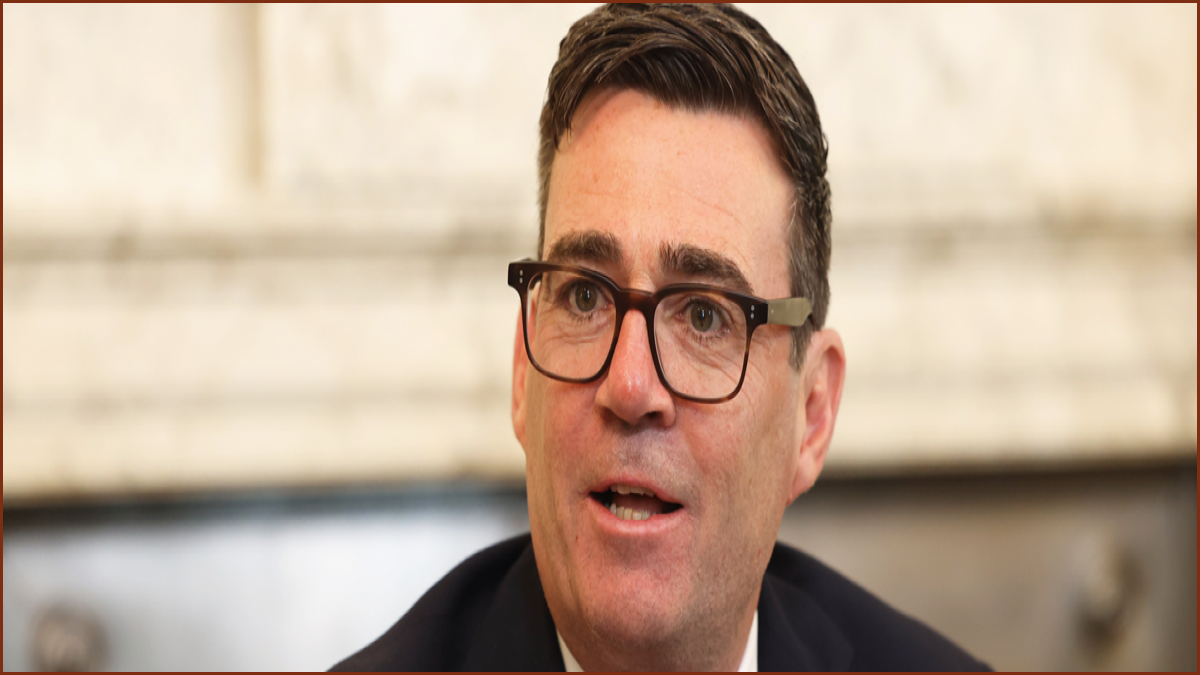
In a whirlwind start to his premiership, Prime Minister Andy Burnham has moved with notable speed, initiating a series of cabinet changes and policy announcements within his first 24 hours in office. On Monday afternoon, Burnham began his tenure by contacting several allies of his predecessor, Keir Starmer, to inform them they were being removed from their cabinet positions. Shortly after these calls, John Healey received the signal to head to Number 10. Wearing a suit and one of his many red ties, the former defence secretary left parliament alone via a back entrance next to a pub. As he marched down Whitehall, he offered a slight smile and remarked, "I'm on my way to a meeting."
Healey's appointment as chancellor was a surprise to him, his Labour colleagues, and the British public. This was a consequential moment among a flurry of announcements from the new prime minister, including a cut in VAT on energy bills, which demonstrates the new government's intention to move at breakneck speed. While the Conservatives support the tax cut, they have questioned its funding. Just five weeks earlier, Healey had weakened Keir Starmer's grip on Downing Street by quitting as defence secretary in a row over military spending. Soon, he will be back around the cabinet table alongside two others whose recent resignations had also damaged Starmer: new defence secretary Wes Streeting and new energy secretary Miatta Fahnbulleh.
Whether these appointments were rewards for rebelling and hastening Burnham's path to office remains a topic of debate, though all three are widely seen as skilled operators taking on complex roles. John Healey's elevation to the second most important job in government has delighted senior figures in the Ministry of Defence, who are relieved to have someone in the Treasury committed to increasing military spending. One insider noted, "It's brilliant for us," though they added that the department was relieved he is not returning to the MOD directly, describing him as a "difficult person." Even some senior Conservatives believe the appointment is clever, with one former Tory cabinet minister noting, "He's not Ed Miliband, he's hard to attack, and he's Treasury-literate," citing Healey’s five years as a minister in the department during Tony Blair's premiership.
Managing the parliamentary party falls to Burnham ally Anneliese Midgeley, who faces the difficult task of keeping Labour MPs loyal, including those recently sacked. Signs of friction have already emerged, such as a public swipe at the energy bills policy from former chief secretary to the prime minister Darren Jones. One Labour MP suggested that those sacked by Burnham can be divided into three groups: those who went because of their politics, those who were simply not good, and those who were disliked in the parliamentary Labour party.
Behind the scenes, Westminster is buzzing with talk of a potential snap general election. Nigel Farage has argued one is necessary since Burnham lacks a mandate, though some in the Reform party worry that if Burnham moves too fast, Farage could miss his own chance to become PM. "We are really worried about a snap election," said one Reform source, grinning, "Which is why we're calling for a snap election." Across all parties, preparations are underway in case a contest is called, with a senior Liberal Democrat aide confirming they have already started preparing.
While Burnham has appeared to rule out heading to the polls, the former Conservative cabinet minister warned that economic pain is on the horizon, leaving Burnham with a choice between seeking an election or facing a slow decline similar to that of Gordon Brown, who was dubbed "bottler Brown" in 2007 for failing to call a poll. After his success in Makerfield and the Labour leadership contest, the question remains whether Burnham will fancy another throw of the dice.