A newly discovered shark nursery in Brazil's southeastern Ilha Grande bay is transforming local perspectives on marine conservation. In the Piraquara de Fora cove, located near Angra dos Reis, researchers have identified a crucial breeding ground frequented by dozens of pregnant blacktip sharks. This finding has sparked a dedicated conservation initiative, shifting the views of a local fishing community that once viewed these marine predators primarily as a source of food.
Globally, sharks face severe survival challenges, with the International Union for Conservation of Nature (IUCN) reporting that more than one-third of all shark species are threatened with extinction. Overfishing, habitat degradation, and climate change drive these declines. Brazil's extensive coastline is home to a diverse array of shark species and critical habitats, making local protection efforts vital for global marine conservation. However, recent studies also reveal a stark contradiction: Brazil is currently the world's largest consumer of shark meat.
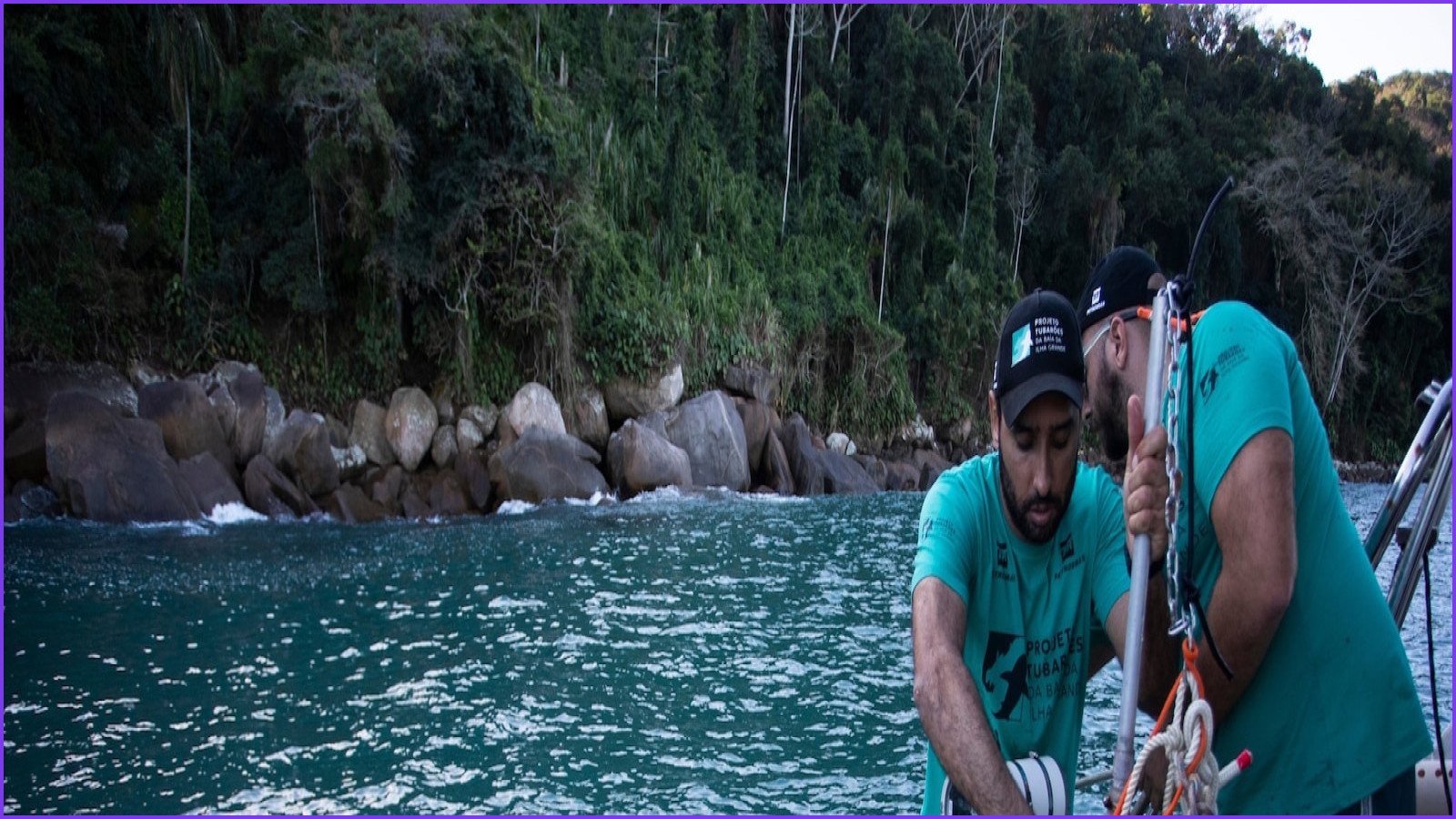
To address this, the Brazilian Institute for Nature Conservation launched the Sharks of Ilha Grande Bay project. Identifying nurseries is a cornerstone of their work. During a recent field operation, Leonardo Mitrano Neves, who leads the scientific branch of the project, and his team deployed underwater monitoring equipment. They submerged cameras alongside bait for an hour in various parts of the cove to capture footage of the sharks. This video data, combined with aerial drone imagery, is analyzed in a laboratory to build a scientific case for stronger environmental protections. While blacktip sharks are the primary species observed in Piraquara de Fora, the project also focuses on safeguarding sand tiger sharks and hammerhead sharks.
Protecting these breeding grounds is ecologically critical because sharks reproduce slowly, bearing far fewer offspring than bony fishes. This slow reproductive cycle makes them highly vulnerable to population collapses. Neves emphasized the regional importance of the cove, stating that breeding areas are fundamental to ensuring the species survives throughout this Atlantic ecoregion.
Local residents are already changing their habits. Marlene Fernanda do Nascimento Martins, a 35-year-old community leader, recalled how their relationship with the sharks used to be different. She explained that they used to fish and eat them, but conservationists explained they should stop because of the animals themselves and the need to protect them. Similarly, fellow community member Reinaldo Dias da Rocha noted that while his father had previously encouraged him not to hunt sharks, the new project has reinforced the importance of preservation. Rocha said they now pass this information on to their nephews and to tourists who visit their beautiful beaches, emphasizing that what locals call "cação" should not be eaten.
The term "cação" is a significant hurdle for conservation. In Brazil, targeted shark fishing is illegal, but nonprotected species can still be brought to shore if caught incidentally as bycatch. Threatened species must be released. However, identification is often imprecise, and shark meat is frequently sold in markets under the generic name "cação," leaving consumers unaware of what they are eating. José Truda Palazzo, the coordinator of the project in Ilha Grande bay, is working to change this. He explained that the project's meetings with local communities have focused on both the ecological role of sharks and the significant health risks of consuming their meat.
Because sharks are apex predators, they bioaccumulate dangerous levels of heavy metals, such as mercury, lead, and arsenic, in their blood and tissues. Furthermore, a 2024 study revealed that some Brazilian sharpnose sharks tested positive for cocaine. Palazzo expressed hope that more people will realize "cação" is indeed shark, that the meat is toxic, and that these animals are endangered.
Beyond ecological protection, conservationists hope the project will bring economic benefits through ecotourism. When the weather and water are clear, residents can spot the sharks from the low, forest-covered mountains rising above the sand-colored rocks. Palazzo suggested that land-based, boat, and underwater shark-watching could become a sustainable source of income. Martins welcomed this prospect, noting that as a remote community with very limited resources, any initiative that helps preserve their village is highly beneficial. To foster long-term change, the project also plans to introduce environmental education in local schools, teaching children to view sharks as a key part of their natural heritage. Communication materials are also being distributed to reassure the public that these sharks pose no threat to humans, noting there are no recorded shark incidents in the region.