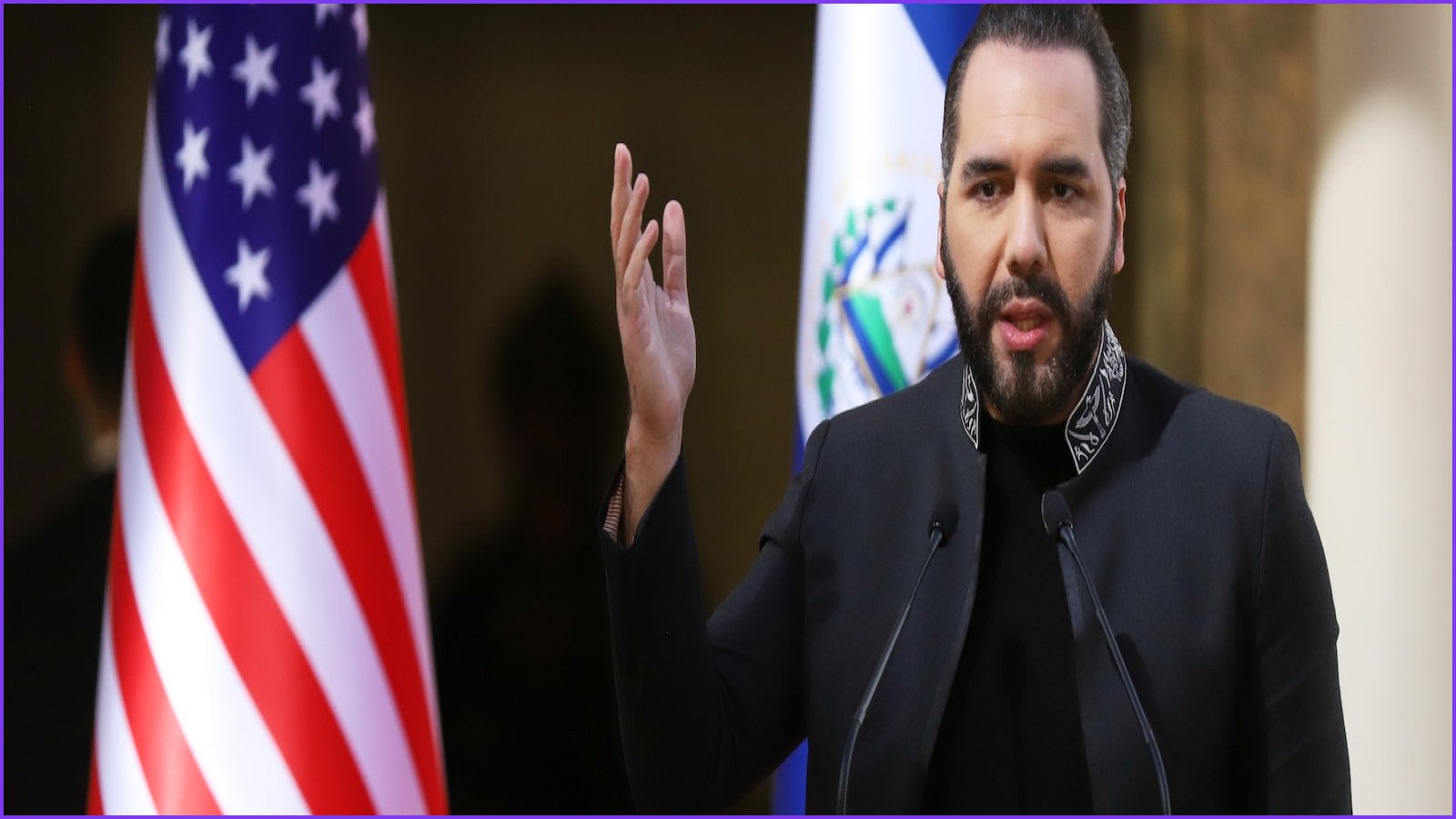
SAN SALVADOR — El Salvador's ruling party, Nuevas Ideas, has ratified President Nayib Bukele's candidacy for the February 2027 presidential elections, clearing the path for him to seek a third consecutive term. Vice President Félix Ulloa will again serve as Bukele's running mate.
The party, which holds a supermajority in the legislative assembly, announced the ratification on Monday following its internal elections held on Sunday. Bukele, 44, first took office in June 2019 and has maintained high approval ratings throughout his presidency.
His reelection in February 2024, where he secured nearly 85% of the valid votes, faced significant criticism from constitutional scholars. They contend that his pursuit of consecutive reelection violates a constitutional ban and that he concentrated power by illegally replacing constitutional court judges and the attorney general.
Ingrid Escobar, a lawyer and director of the Salvadoran group Humanitarian Legal Aid, described the bid for a third term as unconstitutional, stating, “Remaining in power is to avoid accountability for grave acts of corruption and crimes against humanity.”
A September 2021 ruling by the constitutional court had previously permitted presidential reelection for only one term. However, the ruling-party controlled Legislative Assembly later approved a constitutional reform in July 2025. This reform allows for indefinite presidential reelection, removes penalties like the loss of citizenship rights for promoting reelection, and eliminates the ban on candidacy for individuals who served as president in the previous term.
The constitutional reform also extended the presidential term from five to six years and advanced the presidential elections to 2027. Previously, the constitution allowed a former president to run again after a 10-year absence from office.
President Bukele has defended these reforms, asserting that "90% of developed countries allow the indefinite reelection of their head of government and nobody bats an eye." He contrasted this with the reaction when El Salvador attempts similar measures, suggesting it is perceived as "the end of democracy."
Salvadorans widely credit Bukele's security policies, including a four-year state of emergency that has led to the imprisonment of over 90,000 individuals, for a dramatic reduction in homicide rates and an increased sense of safety in the country. In 2015, El Salvador recorded 6,656 murders, with a homicide rate of 106 per 100,000 inhabitants. By the end of 2025, government statistics indicated a record low of 82 homicides.