Exposure to a specific bacterial toxin during early life has been identified by researchers as a potential primary driver for the sharp increase in bowel cancer cases among individuals under 50. While established risk factors such as smoking, alcohol consumption, and obesity contribute to the disease, experts appearing before the Commons science and technology committee argued these known factors are insufficient to explain the current trend.
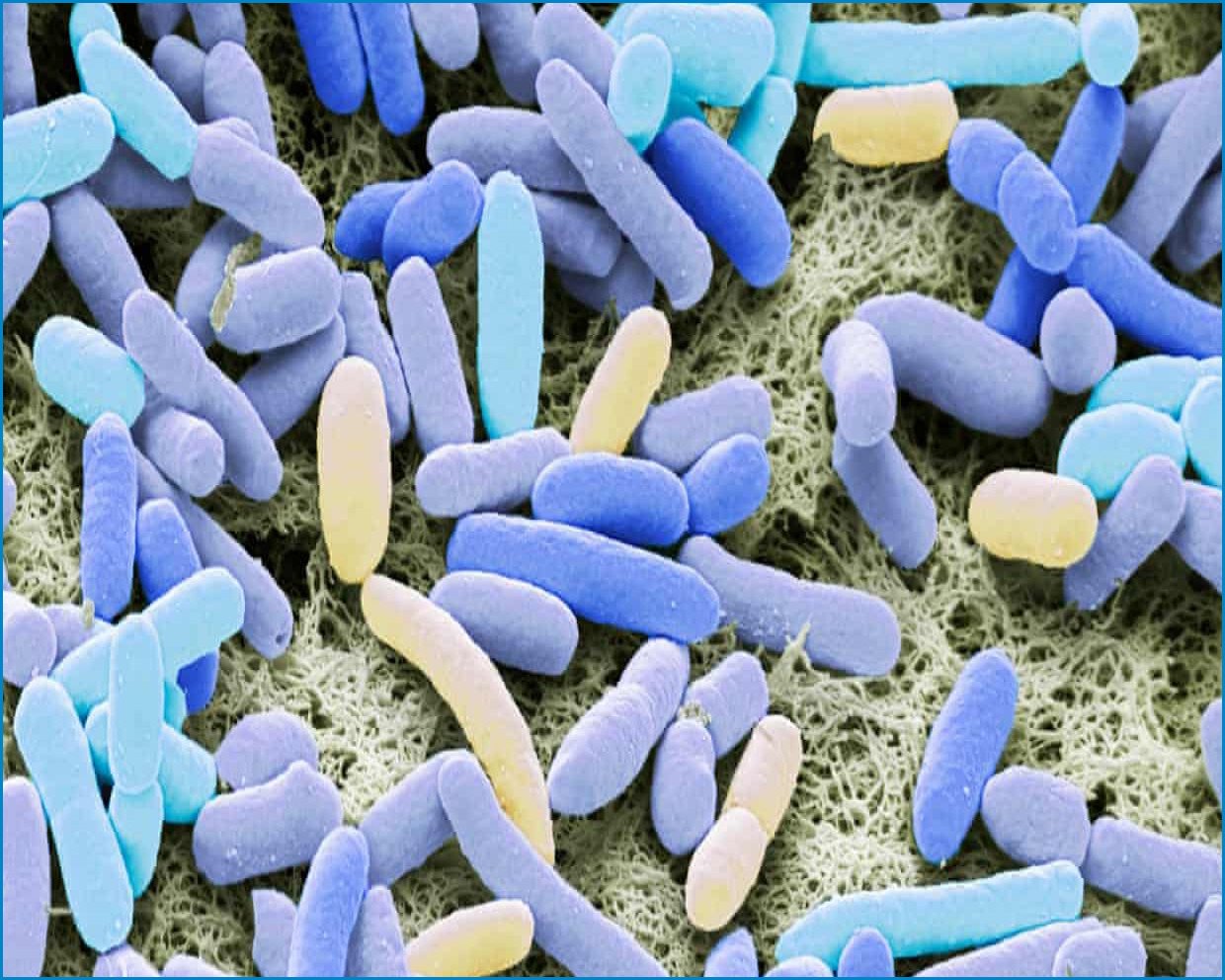
Dr. Karl Smith-Byrne, a senior molecular epidemiologist at the University of Oxford, stated it was not plausible that existing risk factors could account for the full extent of the rise in early-onset colorectal cancer, which has doubled in many countries over the past 20 years. He highlighted colibactin, a toxin produced by certain variants of E. coli bacteria within the gut, as a leading suspect. Research has shown that hallmark mutations caused by this toxin are three times more common in tumours found in patients under 40 than in those over 70.
Prof. Mike Stratton of the Sanger Institute has noted that colibactin appears to induce mutations in some children, with evidence suggesting these changes can emerge as early as infancy. According to his findings, affected children can develop a mutational burden by the age of 10 that is comparable to that of a 50-year-old. Dr. Smith-Byrne, who is a survivor of early-onset rectal cancer, explained that if these mutations occur during a sensitive period of early development, it may provide the colon or rectum with a significant disadvantage, setting the stage for tumour growth later in life.
The possibility that E. coli variants have evolved in recent decades to produce colibactin is also under investigation. Prof. Elio Riboli, a cancer epidemiologist at Imperial College London, observed that this toxin is essentially absent in individuals born before 1960, suggesting a potential shift in bacterial behaviour. Prof. Helen Coleman from Queen’s University Belfast described colibactin as the most significant new clue identified in recent times, though she emphasized that the role of early-life or prenatal exposure remains a complex area of study.
While the scientific community continues to investigate these unknown drivers, Prof. Riboli urged society to better apply existing knowledge to prevent cancers. He noted that while smoking and drinking rates are declining in the UK and US, rising obesity and reduced physical activity remain critical challenges. He stated that approximately 60% of current cancer cases could potentially be prevented by implementing established health guidance, a step he believes is currently not being fully realized.