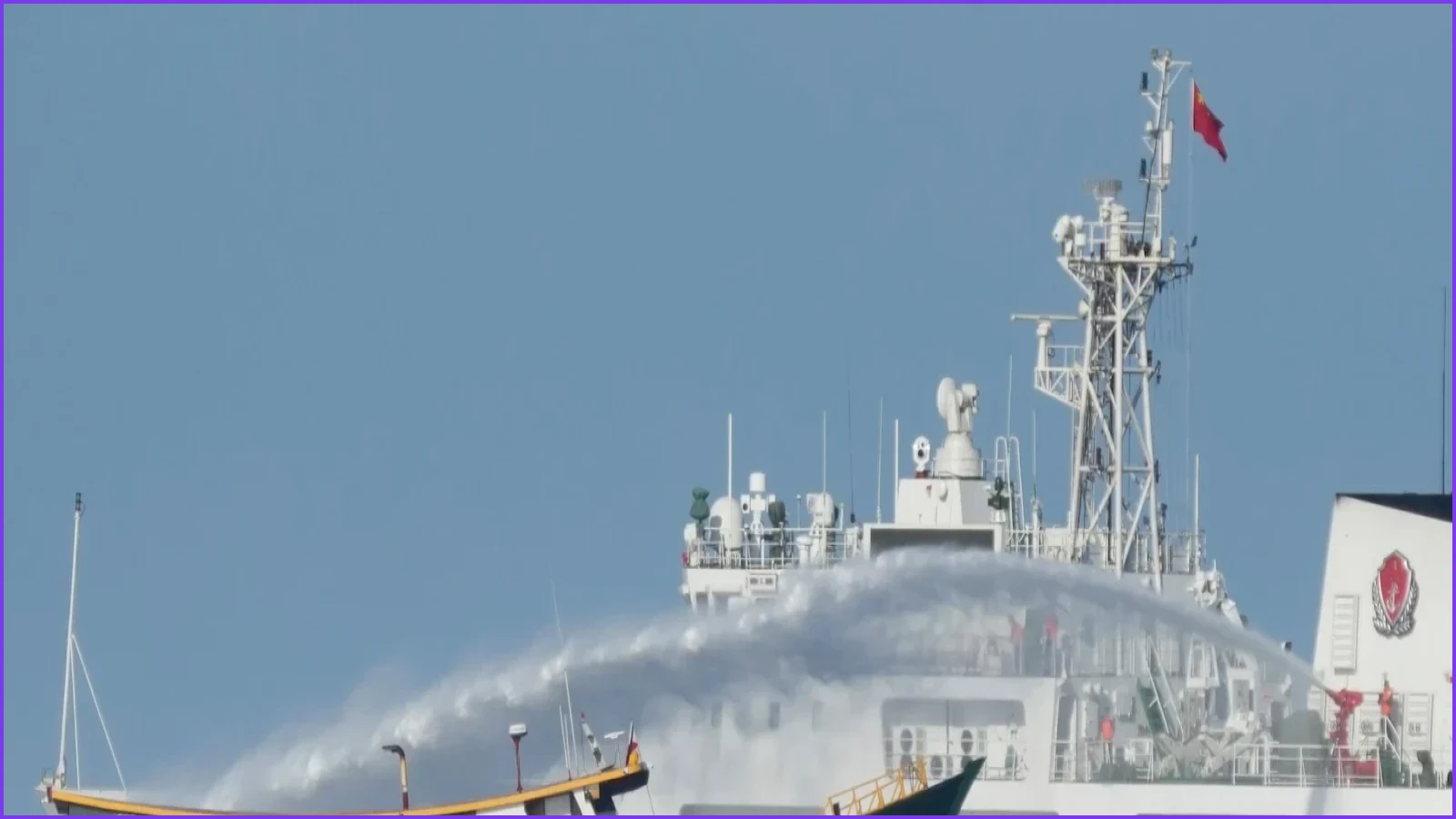
China and Southeast Asian nations have achieved significant progress in their ongoing negotiations for a South China Sea code of conduct, yet diplomats confirmed on Wednesday that they will be unable to finalize the agreement this year as previously promised. Three senior Southeast Asian diplomats, who spoke on the condition of anonymity due to the sensitive nature of the discussions, indicated that the process will extend into next year.
The negotiations, which aim to prevent maritime confrontations from escalating into major conflicts, first began in 2005. The proposed accord is intended to emphasize self-restraint and deter aggressive actions within the vital global trade route. Following years of closed-door meetings often stalled by regional tensions, China and the Association of Southeast Asian Nations (ASEAN) committed in 2023 to accelerate the process and conclude the pact by the end of this year.
According to the diplomats, following the final round of talks held last month, the parties have reached a provisional consensus on approximately 80% of the agreement's content. However, several critical issues remain unresolved. These sticking points include determining the geographic scope of the agreement, defining sensitive terminology, and deciding whether the resulting code of conduct should be legally binding.
Negotiations are set to continue into the coming year, coinciding with Singapore assuming the leadership of ASEAN. The Philippines, which chaired the bloc this year, had increased the frequency of meetings to at least once a month to create more space for resolving these complex issues. Throughout the year, China and Malaysia, the latter currently overseeing ASEAN’s relations with Beijing, jointly spearheaded at least 10 major rounds of negotiations.
The status of the code of conduct, along with persistent incidents in the disputed waterway, is expected to feature prominently on the agenda at the upcoming annual ASEAN summit in Manila. Following their internal meetings, the regional leaders are scheduled to engage with counterparts from Western and Asian nations, including the United States and China.
The South China Sea remains a flashpoint of territorial disputes involving China, Taiwan, and four ASEAN member states: Brunei, Malaysia, the Philippines, and Vietnam. The area is believed to contain significant undersea oil and gas deposits. Confrontations have notably intensified in recent years between Chinese and Philippine naval and coast guard forces. Historically, the region has seen deadly clashes, such as a 1988 incident involving Chinese and Vietnamese forces that resulted in dozens of deaths.
Manila-based geopolitical analyst Julio Amador III suggested that while a code of conduct is a positive step, it may not be sufficient to fully deter aggression. "Restraining great powers takes a lot of effort," Amador remarked. He emphasized that countries must utilize a comprehensive approach, including strengthening military capabilities and engaging in international diplomacy, rather than relying on a single mechanism. The ongoing dispute has also become a sensitive front in the broader rivalry between the United States and China. While Washington maintains that it is obligated to defend the Philippines under their long-standing treaty, China has consistently urged the U.S. to refrain from intervening in what it describes as a purely Asian dispute.