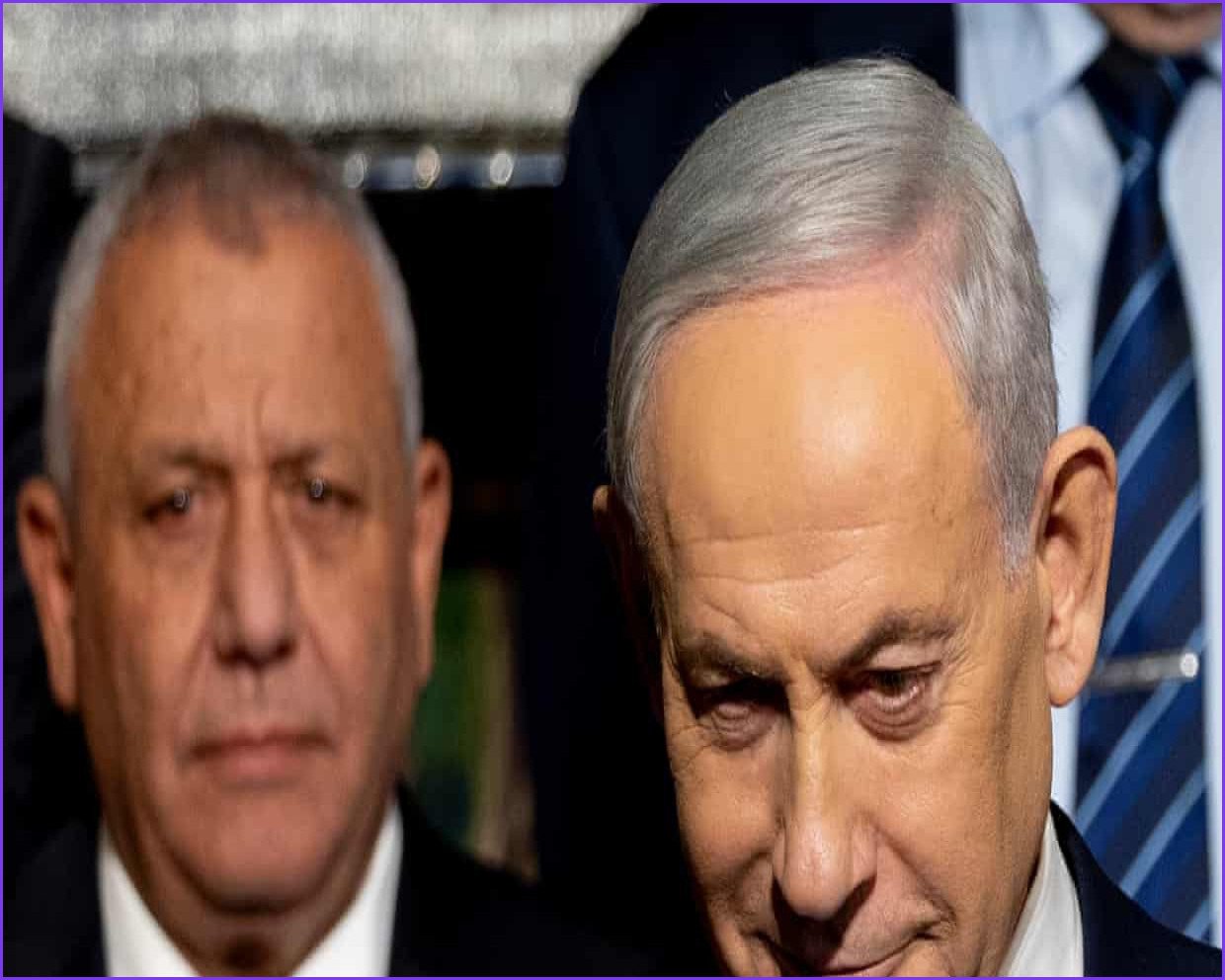
Opposition lawmakers in Israel moved swiftly on Tuesday following the swearing-in of the country's new Knesset, leveraging their parliamentary majority to take control of the legislative agenda from Benjamin Netanyahu and his political allies. Although the six opposition parties remain too divided to immediately form a coalition government, they requested a vote to elect a new parliamentary speaker to replace Netanyahu loyalist Amir Ohana. Replacing the speaker will grant the opposition control over the Knesset's legislative calendar, allowing them to advance major bills even if coalition negotiations stall.
Former military chief Gadi Eisenkot, whose Yashar party submitted a series of bills immediately after the ceremony with backing from other opposition groups, currently holds a mandate to try to form a government. Priority legislation includes establishing a state commission of inquiry into the 7 October 2023 attacks and introducing strict term limits for Israel's prime ministers. Such term limits could potentially block Netanyahu, who has governed Israel for 19 of the past 30 years, from returning to power. Additionally, the proposed measures seek to roll back the controversial judicial overhaul championed by Netanyahu's government, which previously curtailed the powers of the attorney general and the Israeli judiciary.
The swearing-in ceremony was marked by intense political friction. Netanyahu delivered a speech attacking two Palestinian-led opposition parties whose turnout was pivotal in undermining his coalition, labeling their lawmakers "terror supporters." Eisenkot condemned Netanyahu's address, describing it as a "delusional, divisive, hate-filled and shameful" misuse of an official state occasion that proved the prime minister was unfit for office. Prominent figures including Yair Golan, leader of the centre-left Democrats, and Yoav Segalovich, a Jewish-Israeli former police chief who ran on the slate of the Islamist Ra'am party, walked out during Netanyahu's remarks in protest.
Throughout the campaign and following election day, Netanyahu focused attacks on Palestinian citizens of Israel—who represent approximately 20% of the population—and made unsubstantiated claims of voter fraud in their communities. Israeli election officials have formally rejected those accusations, stating there is no evidence of irregularities that compromised election integrity or altered the final results. While prolonged coalition talks or a potential snap election would leave Netanyahu in office as caretaker prime minister, swift legislative action by the opposition could significantly erode his political leverage.
Eisenkot acknowledged that securing a ruling coalition remains "extraordinarily complex" due to conflicting campaign promises among opposition factions, but he emphasized that removing Netanyahu is a national emergency that may require breaking past commitments. Addressing the assembly during the ceremony, President Isaac Herzog urged lawmakers to avoid plunging the nation into another election cycle. "Reach out a hand for compromise, even between rivals," Herzog urged. "Look upon one another with generosity. There is much work to be done here, and it requires the ability and experience found in every part of this House."