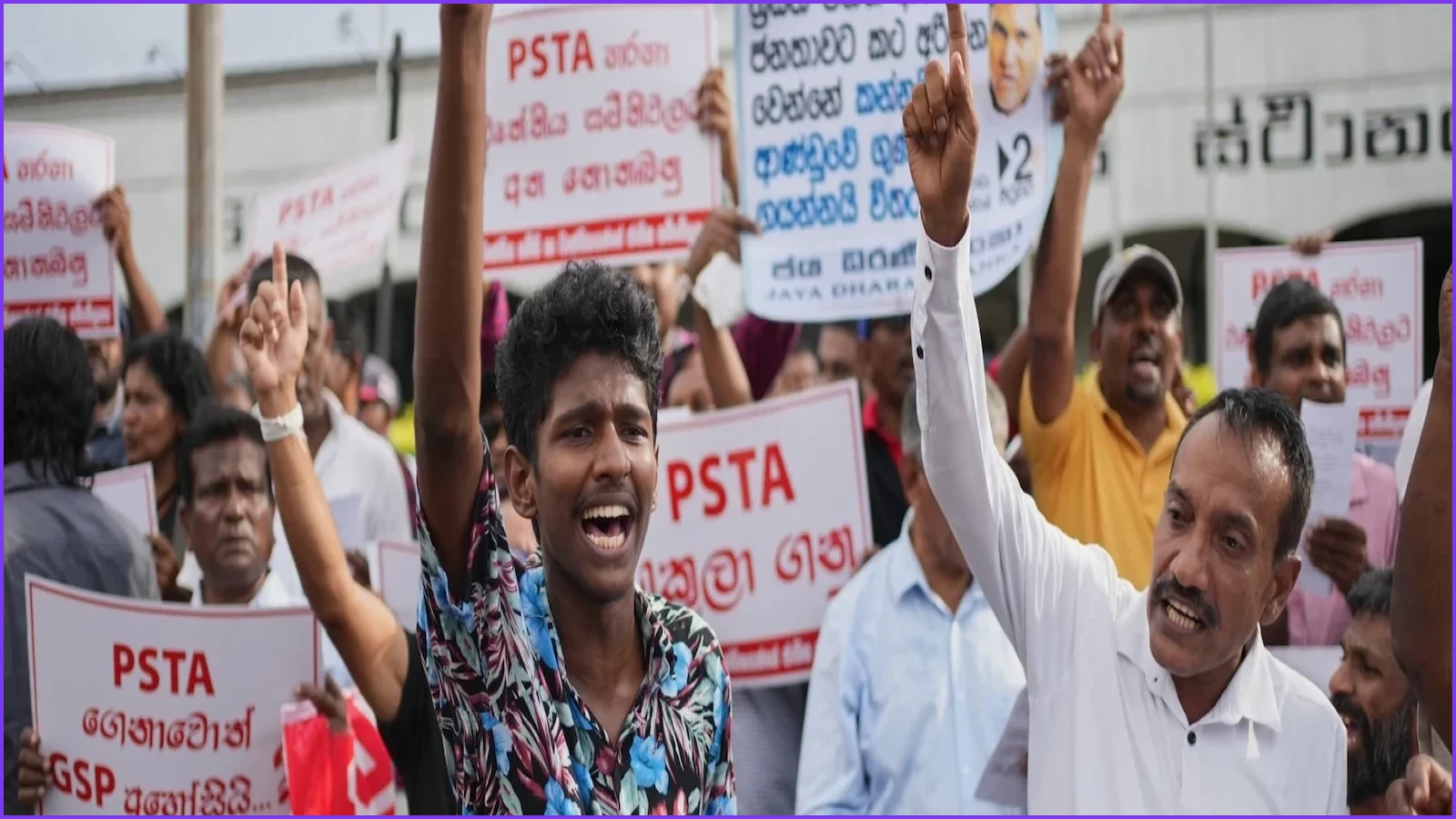
Trade unions and political activists gathered in Colombo on Friday to stage demonstrations against proposed legislation that would significantly expand law enforcement powers across Sri Lanka. Demonstrators warned that the new measures could pave the way for widespread authority abuses and political suppression if enacted into law.
The controversy centers on two key pieces of legislation recently submitted to Parliament: the protection of the state from terrorism bill and the prevention of organized crimes bill. Parliamentary leaders have scheduled a debate and vote on the measures in the coming weeks. If approved, the counterterrorism bill would replace existing laws that critics argue have enabled arbitrary detentions and torture by security forces for decades.
However, rights advocates contend that the proposed replacements fail to safeguard civil liberties. Human Rights Watch criticized the draft counterterrorism law as overly broad in scope, noting that it lacks adequate judicial oversight while granting the armed forces expansive powers of search and arrest. The rights organization also cautioned that the measure grants executive authority the power to restrict freedom of movement and expression.
Trade union activist Saman Rathnapriya voiced sharp criticism during the demonstrations, characterizing the draft measures as "draconian laws" and warning that "anyone can be turned into a terrorist by these laws." Rathnapriya emphasized that current government officials had previously spoken out against similar legislation while serving in opposition, arguing they now lack the moral standing to introduce such oppressive statutory powers.
President Anura Kumara Dissanayake led his National People’s Power alliance to victory in 2024 after pledging to dismantle "all oppressive laws." His election victory represented a public repudiation of the country's traditional political leadership, which citizens held responsible for an unprecedented national economic crisis stemming from decades of corruption and mismanagement.
Rathnapriya argued that the administration has failed to deliver economic recovery. "Fearing that people might revolt against them, the government is now attempting to bring in tough laws in a bid to suppress any future public protests," he said, vowing that demonstrations will persist unless the bills are fully withdrawn.
The administration has forcefully rejected claims that the legislation targets fundamental rights. Government spokesman Nalinda Jayatissa dismissed the warnings raised by rights activists on Tuesday, maintaining that the proposed laws would not impair media freedoms or restrict trade union activities.