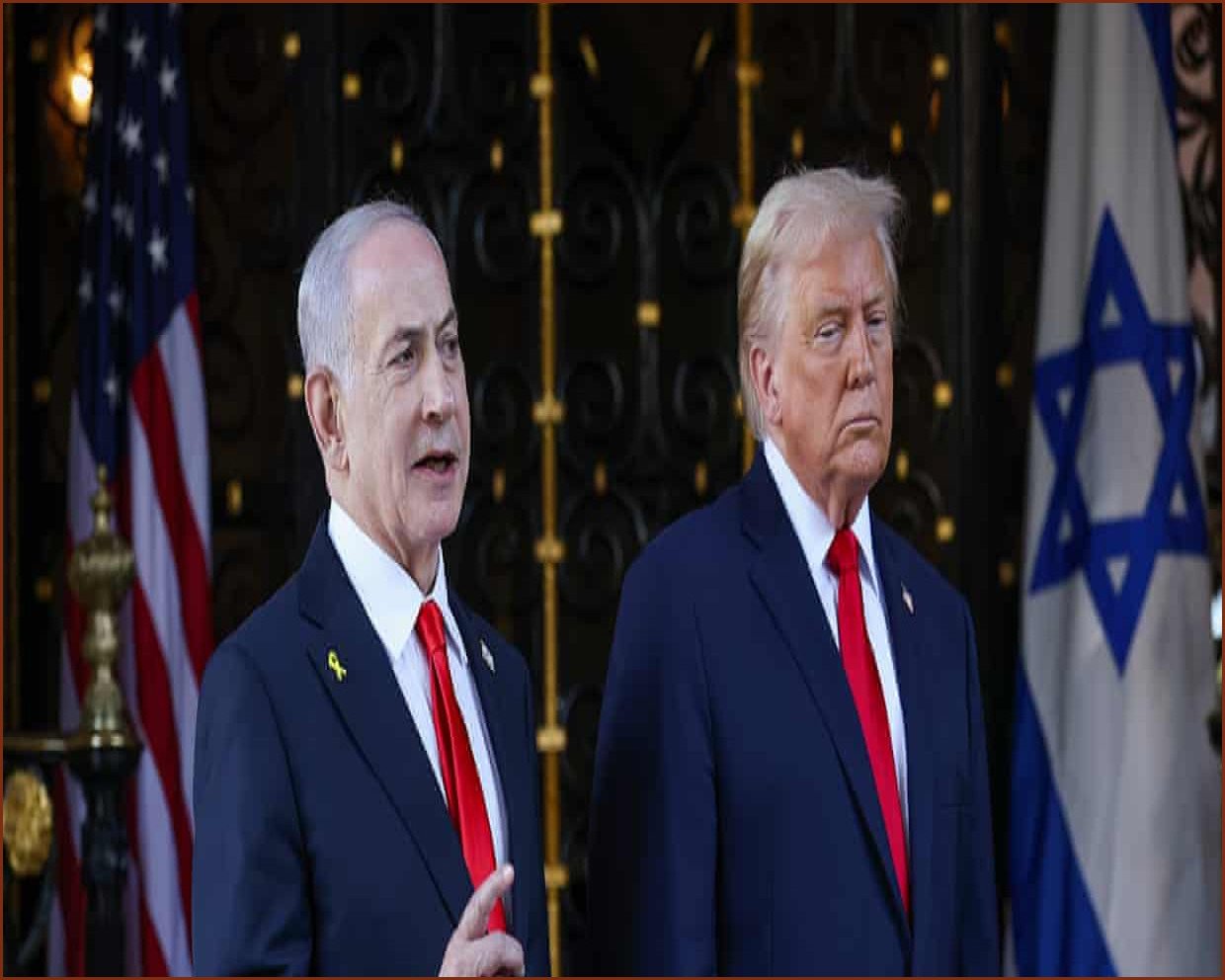
The 2026 midterm elections concluded with an outcome that suggests the long-standing bipartisan consensus on the US-Israel relationship may be permanently altered. Even Donald Trump appeared to acknowledge the shifting political landscape, suggesting on election morning that he might cut military aid to Israel by the end of the year, claiming they no longer require it. This 11th-hour remark faced criticism from both sides, with pro-Palestinian advocates labeling it as desperate and pro-Israel groups dismissing it as unserious.
A new cohort of lawmakers is set to enter the House in January, reflecting a diverse range of perspectives on the Middle East. Among the incoming members are a doctor who served on a medical mission in Gaza, a lawyer dismissed from her firm over a blog post criticizing Israel’s war, and a Jewish lawmaker who was detained by Israeli forces while aiding Palestinians with olive harvests in the occupied West Bank. Additionally, a community organizer who participated in a pro-Palestine student encampment secured a primary victory under the banner of "babies, not bombs."
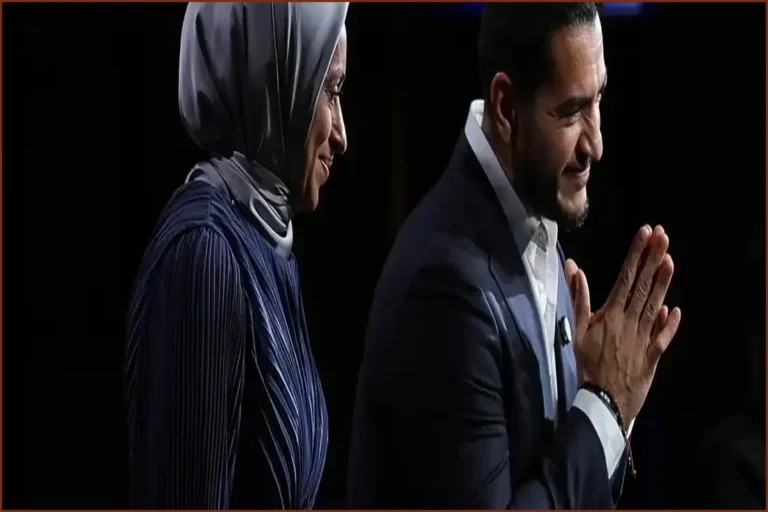
In Michigan, Abdul El-Sayed achieved a historic milestone as the first Muslim elected to the US Senate. His victory occurred despite Aipac spending over $40 million to defeat him, in a campaign marked by significant Islamophobic rhetoric. Beth Miller, political director of Jewish Voice for Peace Action, stated that the traditional bipartisan consensus on Israel has ended, suggesting that the next Congress could pursue measures like arms embargoes or sanctions against violent settlers, though these would still face a potential presidential veto.
The election results also served as a rejection of the narrative that criticism of Israel is inherently antisemitic. Candidates like El-Sayed, who faced intense pressure for their pro-Palestinian stances, successfully countered these claims. During his acceptance speech, El-Sayed emphasized his support for Palestinian rights, stating that advocating for equal rights and dignity is an act of love, not hate. Yousef Munayyer of the Arab Center Washington DC noted that foreign policy issues, particularly the failures associated with the war in Iran, became a central concern for Americans as they felt the impact of these policies at their local gas stations and grocery stores.
While the Democratic Party remains internally divided on the issue, the election results demonstrate that progressive voices are gaining ground. Lara Friedman, president of the Foundation for Middle East Peace, noted that the party had historically marginalized those with progressive views on Palestine, but voters and candidates have now forced a change. Matt Duss, executive vice-president of the Center for International Policy, urged Democrats to embrace a new, anti-war foreign policy, noting that Trump’s 2024 victory was partly due to Democrats leaving that political lane open.