The European Commission has expressed readiness to accept new member states in its latest annual enlargement report, signaling potential entry dates for candidate nations and offering Serbia a renewed opportunity to advance its accession pathway. According to the executive branch overseeing the expansion process, Montenegro leads the candidate field and remains on track to become the 28th member of the European Union in 2028, with Albania and Moldova potentially joining the following year.
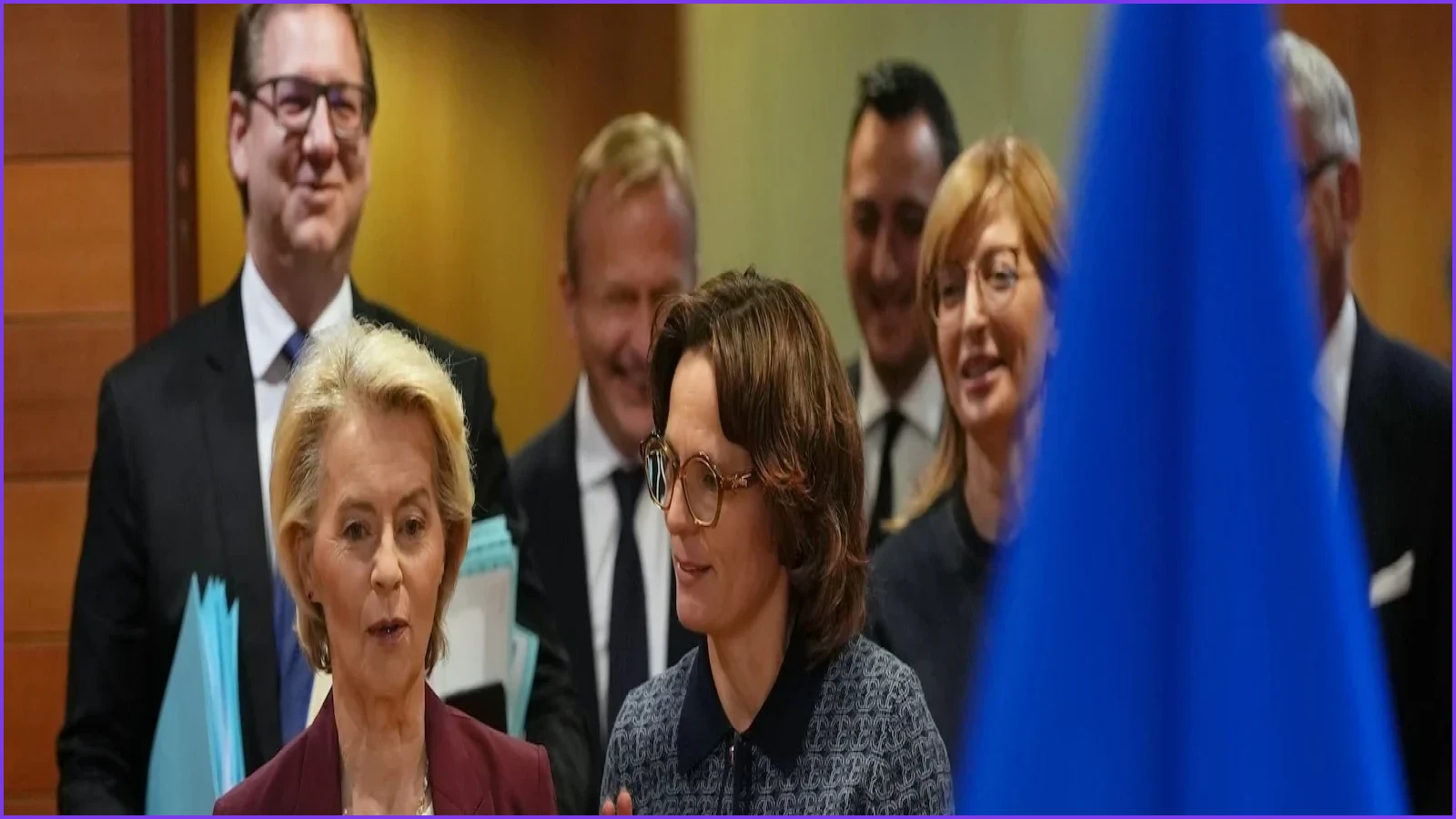
Highlighting recent advancements among aspirant nations, European Commission President Ursula von der Leyen emphasized the progress made across candidate countries. "The significant progress achieved by some candidates over the last year allows us to turn the promise of enlargement into reality," von der Leyen stated. "Step by step, we are building a more complete, stronger Union." The executive branch maintained that candidate countries most likely to join soon follow a specific order: Montenegro, Albania, Moldova, and Ukraine.
For Serbia, the most influential nation in the Western Balkans seeking entry, the report aligns with significant political shifts following last month's election, which saw populist President Aleksandar Vucic defeated. Vucic's defeat came after two years of protests led by a diverse student-driven opposition movement. Briefing European Union lawmakers on the annual report, Enlargement Commissioner Marta Kos noted that the political transition creates a clear opening for reform. "Now Serbia has the chance for a fresh start," Kos declared. "The new Serbian government has an opportunity to turn the page, strengthen democratic institutions and fundamental rights, and take the necessary steps to advance on Serbia’s accession path."
Although Serbia had technically made headway by opening several policy chapters during Vucic's tenure, its accession process was hampered by deteriorating democratic standards. In April, the European Commission issued a warning that Serbia risked losing access to approximately 1.5 billion euros ($1.7 billion) in assistance funds if it failed to curb democratic backsliding. Tensions were further heightened in September following a hero's funeral held in Belgrade for Ratko Mladic, the former Bosnian Serb commander who died while serving a life sentence for war crimes. EU officials were angered by the public tribute after having explicitly warned against honoring him.
Regarding other Eastern European candidate states, the report outlines specific timetables for Moldova and Ukraine. Moldova could finalize its accession negotiations by early 2028, setting the stage for entry in 2029. Under standard EU procedures, full membership requires unanimous endorsement from all current member states once negotiations conclude, a process that typically takes about a year. Meanwhile, Ukraine is being urged to speed up internal reforms to hit its "ambitious objective" of concluding talks by late 2028. Consequently, Ukrainian accession before the end of the decade remains unlikely, placing its entry date at 2030 or later.
Elsewhere in the region, candidate status varies widely depending on governance and legislative hurdles. Bosnia-Herzegovina and North Macedonia face no immediate prospects of entry due to a largely dysfunctional coalition government in Bosnia and unresolved requirements for constitutional changes in North Macedonia. Kosovo continues to pursue membership but has yet to be granted official candidate status. Finally, accession negotiations involving both Georgia and Turkey remain completely stalled as a result of democratic backsliding in both nations.