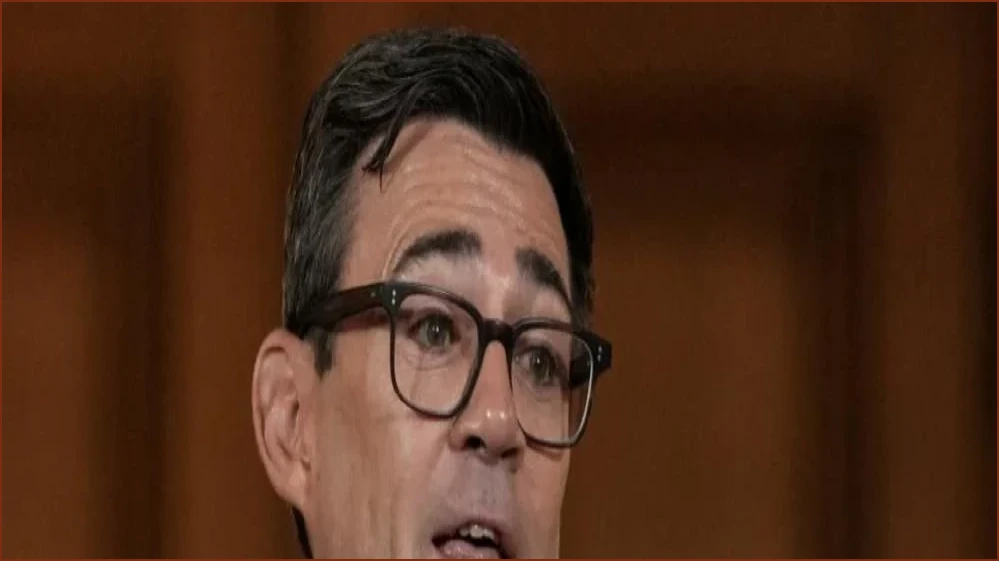
Prime Minister Andy Burnham has indicated he is open to the United Kingdom issuing a formal apology for its historical role in the transatlantic slave trade, though he firmly ruled out offering financial reparations. Speaking ahead of an upcoming Commonwealth leaders summit in the Caribbean, Burnham stated that he wants a dialogue with communities affected by the trade and remains receptive to calls for an official apology, while dismissing monetary compensation as "not the right answer."
Characterizing the historic trafficking of Africans to the Americas as a "brutal and barbaric violation," Burnham stressed that Britain must "face up to the past." Writing in an article for the Guardian, he maintained the longstanding policy held by previous British governments, which have never formally apologised or provided financial compensation for slavery. He argued that modern citizens should not be held accountable for historical actions, writing, "I do not think that British people today can be held liable for historical wrongs, however heinous, that happened in a different age under different laws and in which they played no personal part."
A government source described the Prime Minister's position as "morally the right thing to do." The statement coincides with King Charles III's tour of the Caribbean, during which regional nations have renewed demands for both an apology and reparations. Downing Street views strengthening ties within the Commonwealth as a strategic priority for the UK, particularly as foreign powers like China and Russia aim to expand their influence, highlighted by President Vladimir Putin recently hosting a Russia-Africa summit in Moscow.
Reactions to Burnham's announcement were mixed among Caribbean leadership and campaign groups. Prime Minister of Barbados Mia Mottley, a prominent advocate for reparations, welcomed the willingness to engage, saying she would enter discussions in good faith while continuing her pursuit of reparatory justice. In contrast, Denis O'Brien, founder of The Repair Campaign, expressed disappointment, stating that the Prime Minister's stance did not go far enough. "The British Government must stop obfuscating and give a full and formal apology now. This would be a significant and symbolic first step towards reparatory justice," O'Brien remarked.
English authorities and the monarchy played a prominent role in the transatlantic slave trade starting in the 16th century. Britain eventually led efforts to end the trade through Parliament's passage of an abolition law in 1833. However, that legislation compensated British plantation owners for the loss of enslaved people, incurring a government debt that the UK only fully paid off in 2015. Recent discussions on the issue follow research revealing British Crown symbols were branded on enslaved Africans, a United Nations judge asserting that the UK's estimated £18 trillion slavery debt is an underestimate, and King Charles visiting a historic slave rebellion site in Guyana during his regional tour.