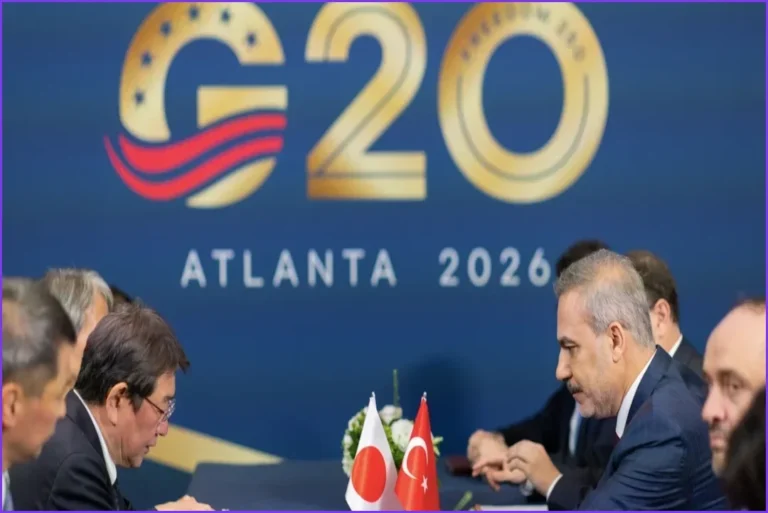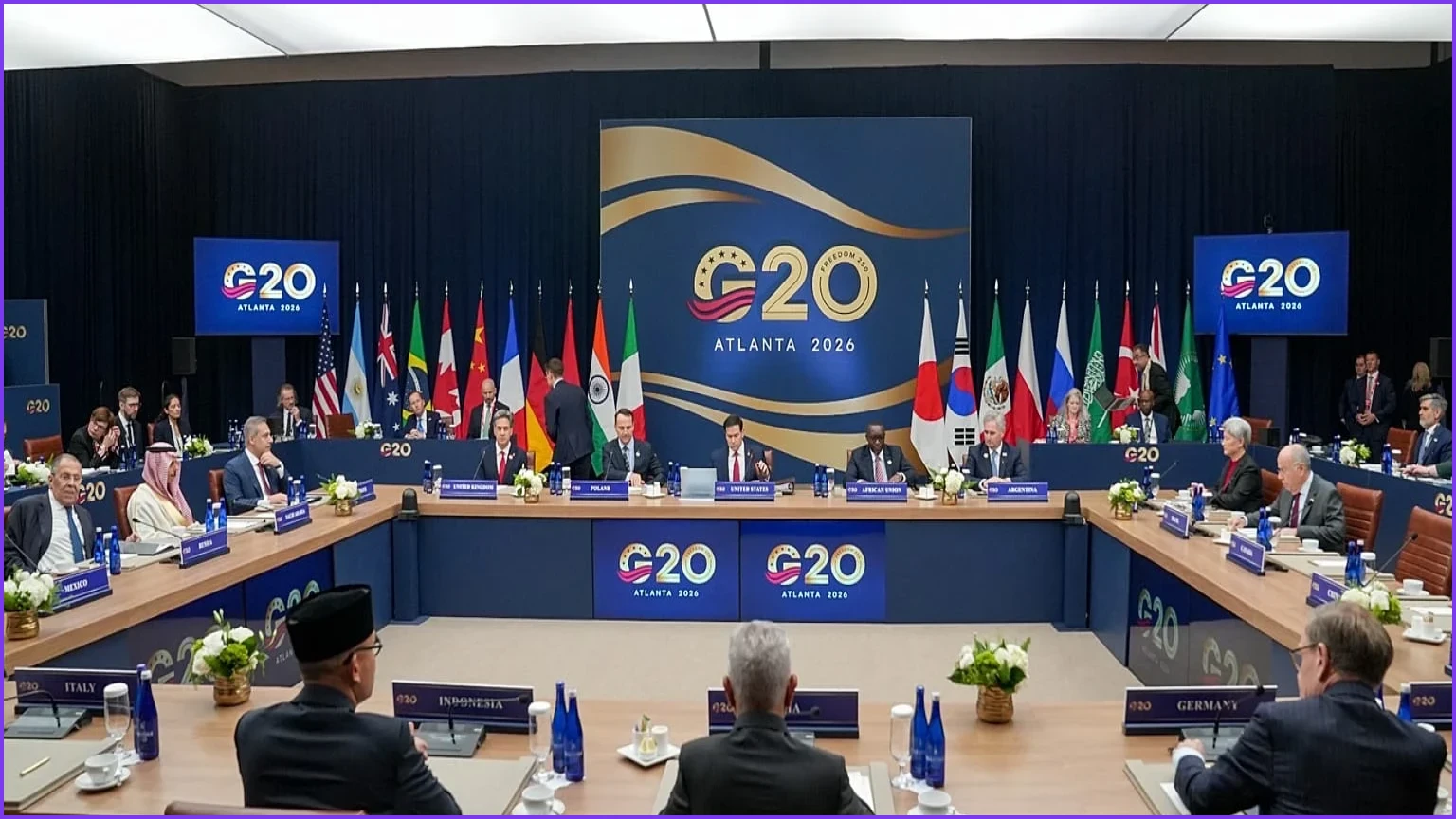
The United States government officially cancelled the traditional group photograph involving foreign ministers from the world's 20 largest economies on Friday. The decision followed objections from several European diplomats, who threatened to stage a walkout if they were required to be photographed alongside Russian Foreign Minister Sergey Lavrov.
Two American officials, who spoke on the condition of anonymity due to the sensitivity of the situation, confirmed that Secretary of State Marco Rubio opted to scrap the photo session to prevent further diplomatic controversy. The cancellation underscores the deep fractures within the G20, as officials struggle to navigate complex negotiations regarding the ongoing war in Ukraine, the US-Israeli war against Iran, trade tariffs, and geopolitical disputes in the South China Sea.
Addressing the situation, Polish Deputy Prime Minister and Foreign Minister Radosław Sikorski praised the American response, telling media in Atlanta that the cancellation was the right decision. He added that he was not alone in his refusal to be captured in a photograph with the Russian representative. German Foreign Minister Johann Wadephul noted that while there can be no sense of normality with Russia, the group must still engage in necessary exchanges regarding controversies at the table, while cautioning against sending falsely optimistic signals.
Opening the proceedings, Secretary of State Rubio expressed hope for a productive meeting, emphasizing that the world is currently at a critical moment of choosing. He described the current climate as a series of interconnected economic and geopolitical crises that pose severe threats to the foundations of the global economic order. Beyond the immediate photo dispute, several G20 nations had previously voiced concerns regarding Russia's invitation to the summit, particularly given intensified attacks on Ukraine. Furthermore, diplomatic tensions have been exacerbated by recent US policy shifts, including the waiver of new sanctions on Moscow and temporary restrictions on logistical and intelligence support for Kyiv.