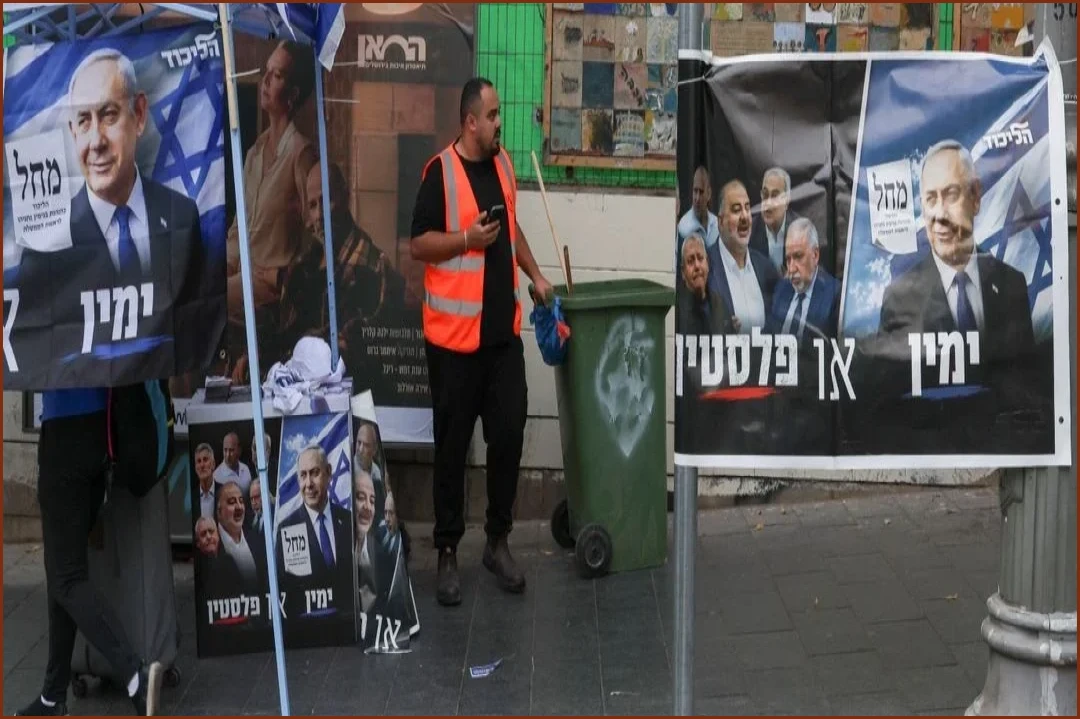
Israeli police have confirmed that they have uncovered no evidence to substantiate allegations of election fraud lodged by Prime Minister Benjamin Netanyahu’s Likud party. According to a report by the daily newspaper Israel Hayom, the findings of the Central Elections Committee also contradict the party’s claims, with officials stating there are no current grounds to question the integrity of the parliamentary ballot.
Earlier on Wednesday, Likud had alleged that Arab parties engaged in a coordinated effort to steal the election through intimidation, bribery, violence, forgery, and the illegal use of software to mobilize voters. The party further accused these political movements of supporting terrorism and seeking the destruction of the Jewish state, submitting what it termed "hundreds of testimonies and pieces of evidence" to the Shin Bet security agency, election regulators, and police.
The Central Elections Committee acknowledged receiving the formal complaint and is reviewing the materials as part of its standard integrity procedures. However, the committee emphasized on Tuesday that there is no evidence of systematic ballot manipulation, noting that individual reports are being subjected to prompt scrutiny. This response aligns with the committee's stance that there are no current grounds to doubt the election's legitimacy.
The controversy emerged as predominantly Arab factions, specifically the Joint List and Ra’am, were projected to secure a historic combined total of 19 seats. This outcome has effectively denied both Prime Minister Netanyahu and his primary opposition challenger, Yashar leader Gadi Eisenkot, a clear path to an outright parliamentary majority. With nearly 90 percent of the vote counted, projections indicate Netanyahu’s right-wing bloc holds 53 seats in the 120-seat Knesset, compared to 48 for the opposition camp. Neither bloc has reached the 61-seat threshold required to form a government. Election officials have cautioned that the tally remains provisional, as hundreds of thousands of "double-envelope" ballots—cast by diplomats, military personnel, and essential workers—are still awaiting processing.