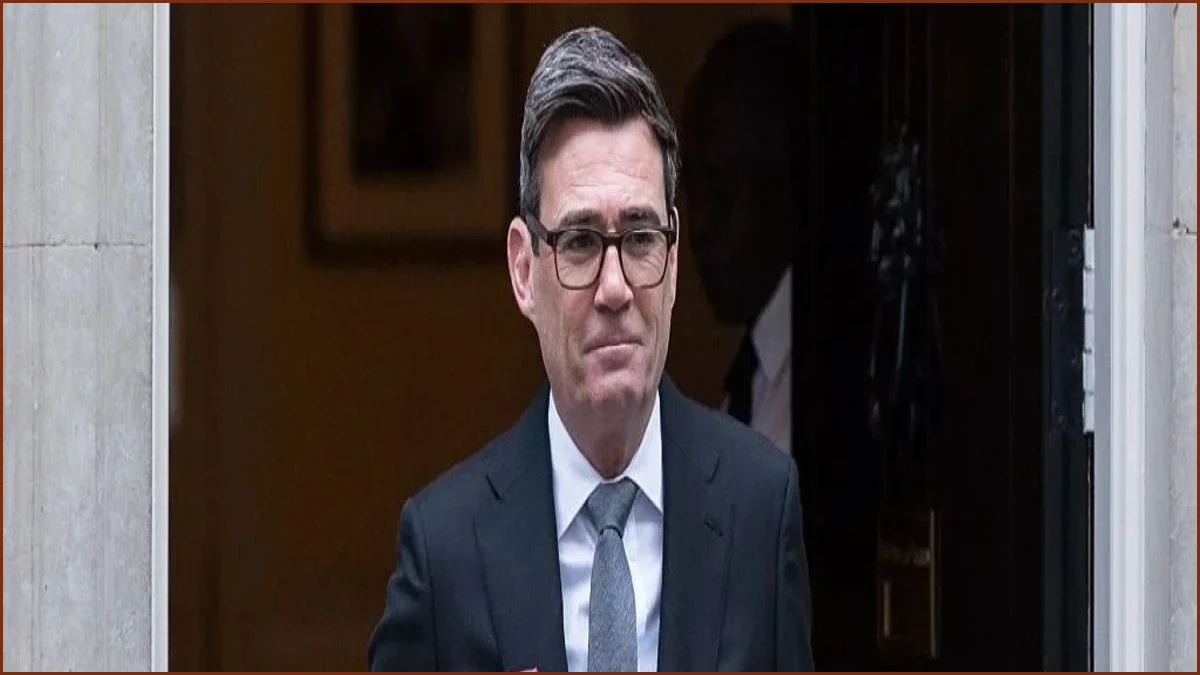
This week represents a significant moment for the new government, as Prime Minister Andy Burnham marks 100 days since arriving in Downing Street from Buckingham Palace to assemble his cabinet. Three months into his tenure, the atmosphere within the Labour Party has shifted; MPs are notably more optimistic, poll ratings have improved, and the overall tone and style of the administration feel distinct from the era of Sir Keir Starmer.
Despite this momentum, the government is now entering a period defined by a series of difficult economic and political trade-offs. Some of these challenges are unavoidable, while others are issues that Burnham has chosen to engage with directly. A central focus this week is the upcoming Budget, though it is being characterized as a comparatively low-key event for three primary reasons. It is taking place a month earlier than last year, which has curtailed the window for leaks, briefings, and speculation. Furthermore, the scale of the Budget is smaller in terms of tax increases, which limits the pre-event noise regarding who might be affected. Additionally, Chancellor John Healey and his team have made a deliberate effort to remain quiet in the lead-up to the announcement.
However, those involved in the Budget's preparation caution against viewing it as a routine or insignificant event. Chancellor John Healey is expected to outline themes on Wednesday that include cost-of-living support for specific groups, assistance for entrepreneurs, and increased financial authority for mayors across England, all while aiming to support an economy that is currently in a state of recovery. The public will soon be able to judge the value and scale of these measures for themselves.
Political challenges also persist, particularly regarding the government's approach to Brexit. In recent years, many politicians have treated the subject with extreme caution, similar to an electric fence. On Monday morning, the Prime Minister appeared to provide more detail, suggesting that any return to freedom of movement in the UK would only occur if sanctioned by a referendum. While his team later declined to repeat that specific framing, they emphasized that Burnham intends to initiate a broad-based conversation without committing to a particular outcome at this stage. This approach has drawn mixed reactions from Labour MPs; some view it as an unnecessary, self-inflicted complication, while others believe Burnham is effectively using his position to narrate his thoughts and dominate the political debate. Although the Labour Party generally leans toward a closer relationship with the EU, there remain clear differences in emphasis and outright disagreements regarding the timing and wisdom of such a move.
You will be the judge of this Budget's scale – its value, or the lack of it to you – before long.
Rosebank: Life on the oil field at the centre of a political storm