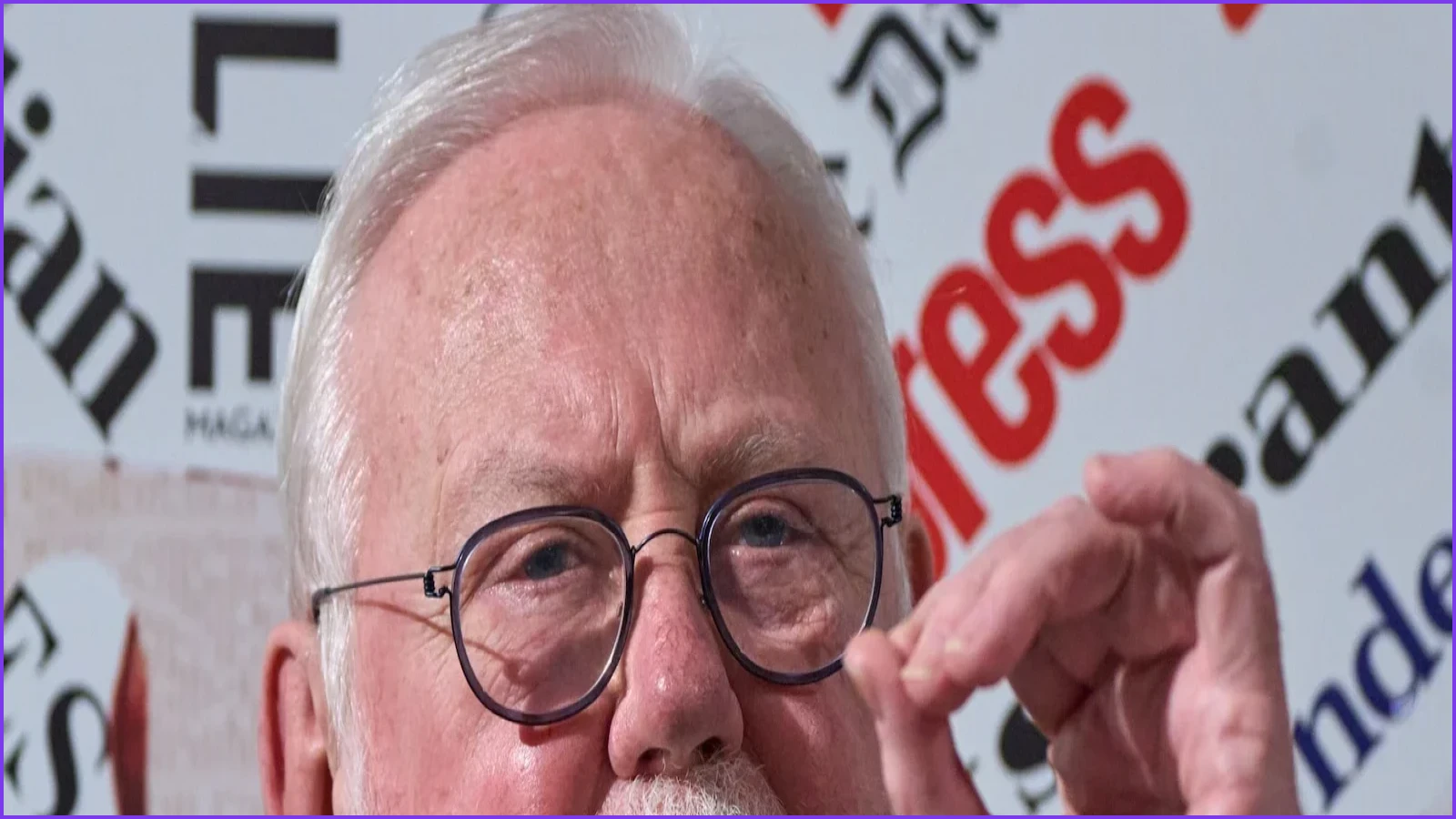
A recent lung cancer diagnosis for Pope Leo XIV represents "a bit of a game-changer" for both the Holy See and his expanding papacy, despite his strong recovery from surgery and plans to embark on an extensive Latin American tour next week, according to the Vatican's foreign minister. Speaking Tuesday at the Italian foreign press association, Archbishop Paul Richard Gallagher reflected on how the illness has shifted perceptions of the pontiff, who was elected in 2025 following the death of Pope Francis.
Gallagher noted that after Leo hit the ground running upon his election, many were tempted to view him as a "Superman, a Superpope." However, the 71-year-old pontiff's diagnosis with adenocarcinoma—the most prevalent form of lung cancer—serves as a reminder of human frailty. "The fact that he has fallen ill with, in many ways, one of the most common illnesses of our age means that he is a poor mortal like the rest of us," Gallagher remarked, adding that while the surgery went well and there are strong grounds for optimism, the event inevitably alters how the Pope is viewed by others and how he perceives himself.
On Oct. 13, surgeons removed the lower lobe of Leo's right lung after discovering a tumor. Subsequent medical evaluations showed that no additional cancer treatments were required, allowing the pontiff to gradually return to his daily duties. The Vatican confirmed this week that Leo will proceed with his scheduled Nov. 6-17 voyage to Uruguay, Argentina, and Peru without modifying the demanding agenda.
The upcoming Latin American journey stands as the longest of Leo's pontificate, spanning 31,000 kilometers (19,000 miles) and encompassing 12 flights alongside two helicopter journeys. When asked why the pontiff did not delay the arduous itinerary to grant himself more recovery time, Gallagher explained that Leo felt physically ready, backed by positive clinical advice, and possessed a strong desire to undertake the trip. Before his election, Chicago-born Leo spent two decades as a missionary priest in Peru, where he holds citizenship and retains a deep affection for the local population and his former diocese of Chiclayo.
Looking further into the Holy See's diplomatic horizon, Gallagher anticipated that Leo would visit his native United States in the "not-too-distant future." However, the timing could depend on the outcome of next month's U.S. midterm elections, which could determine whether a visit occurs in 2027 or later. Standard Vatican diplomatic practice avoids scheduling papal visits during active national election campaigns to prevent host governments from exploiting the Pope's presence for political advantage, with the next U.S. presidential election slated for November 2028. Preliminary talks have touched on aligning a U.S. trip with the fall UN General Assembly session or combining it with a stop in Mexico, though Gallagher emphasized that no firm schedules exist.
Gallagher also highlighted other major international destinations on the Pope's long-term calendar. He stated it is "highly likely" Leo will travel to Australia in 2028 to close the International Eucharistic Congress in Sydney. Additionally, the Pope is expected to visit South Korea in August 2027 for World Youth Day events.
Comparing his experience working under Leo to his tenure under Pope Francis—a pontificate marked by spontaneity, grand gestures, and occasional diplomatic missteps—Gallagher described the current pope as pensive, deliberate, and "not impetuous." The former math major reads financial spreadsheets with ease and stays exceptionally well-informed. Gallagher shared that during their regular Wednesday evening briefings on global policy matters, "nearly everything I say he knows already."
Despite his thoroughness, Leo maintains a tight-lipped management approach. Gallagher disclosed that he was unaware of the Pope's Oct. 13 surgical procedure until Leo publicly announced it to the world on Oct. 11 during his Sunday blessing. He added that the Pope rarely divulges long-term plans three or four years in advance, preferring to quietly execute his vision and reveal details on his own schedule.
Gallagher expressed admiration for the Pope's inner composure, noting that he is most struck by Leo's calm serenity, dedication to preaching the Gospel, and practical approach to taking problems as they arrive. Addressing rumors that the traditional Italian-dominated Vatican bureaucracy, known as the Curia, might stall or frustrate the Pope's reforms, Gallagher brushed off such concerns with humor: "I don't think the Curia will eat him up. I think if there's any indication of that, he will demonstrate that he too has an appetite."