Brazil’s Supreme Court has provisionally suspended an environmental permit for a significant gold mining project slated for the Amazon rainforest, creating a hurdle for a Canadian company’s aspirations to develop an open-pit mine. The proposed project is located along the Xingu River, a key tributary of the Amazon, in an area already significantly impacted by one of Brazil’s largest hydroelectric dams.
Supreme Court Chief Justice Edson Fachin issued the decision on Monday, making it public on Tuesday. The ruling suspends the installation license for Belo Sun Mining Corp.’s Volta Grande project in Para state. This action follows years of sustained opposition from Indigenous communities, who have voiced serious concerns regarding the potential environmental consequences of the mine.
Justice Fachin determined that Belo Sun Mining Corp. had not adequately demonstrated full compliance with environmental regulations and safeguards intended for Indigenous communities. This included deficiencies in studies assessing the project’s impacts and ensuring the Indigenous communities' right to be consulted.
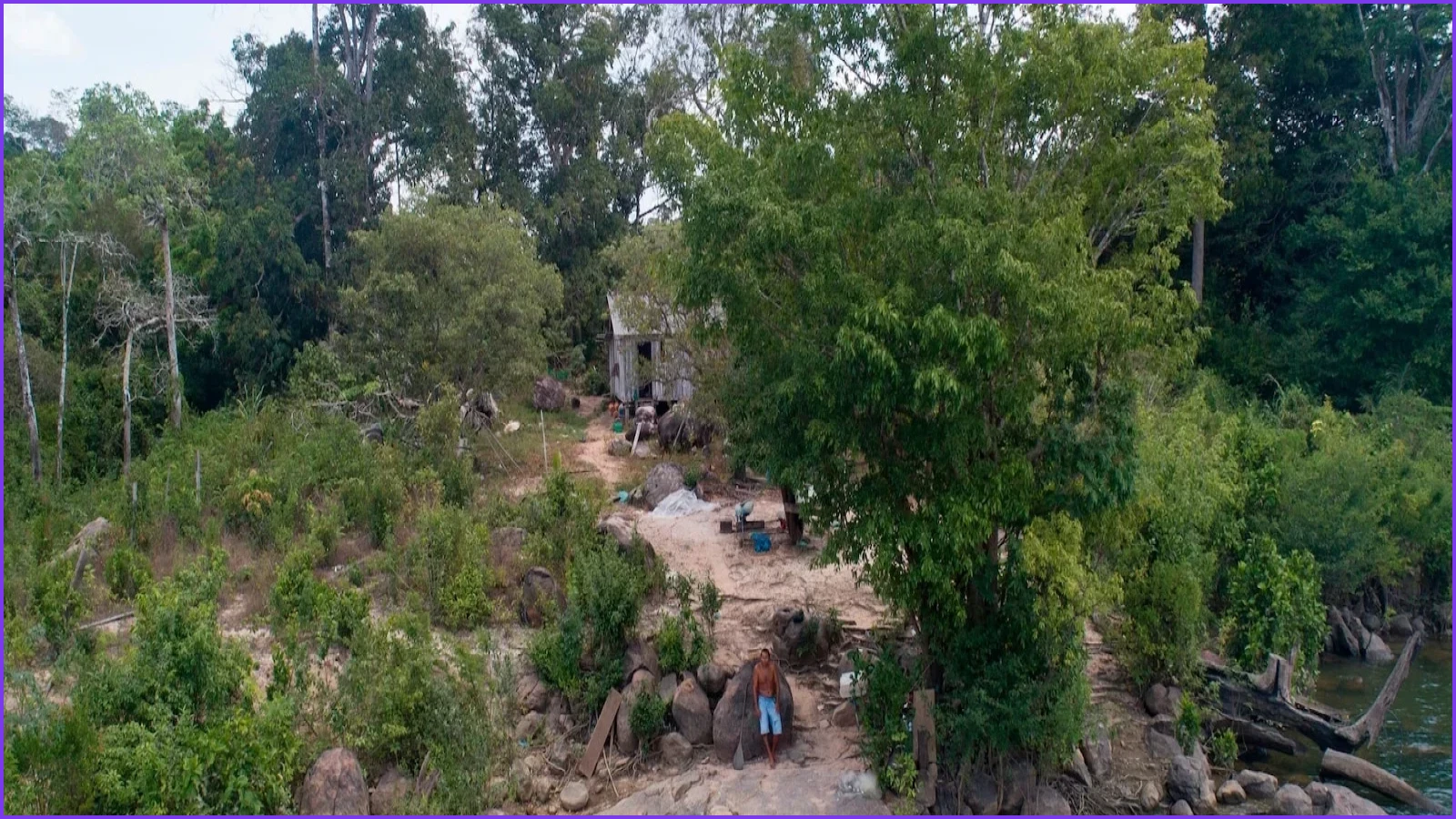
The Xingu River area, where the mine would be developed, has already undergone substantial changes due to the Belo Monte hydroelectric dam. This dam has drastically altered the river’s natural flow, negatively affecting fish populations and the livelihoods of communities dependent on the waterway. Environmental groups warn that introducing a large-scale gold mine could exacerbate these existing impacts, placing further strain on local ecosystems and Indigenous ways of life.
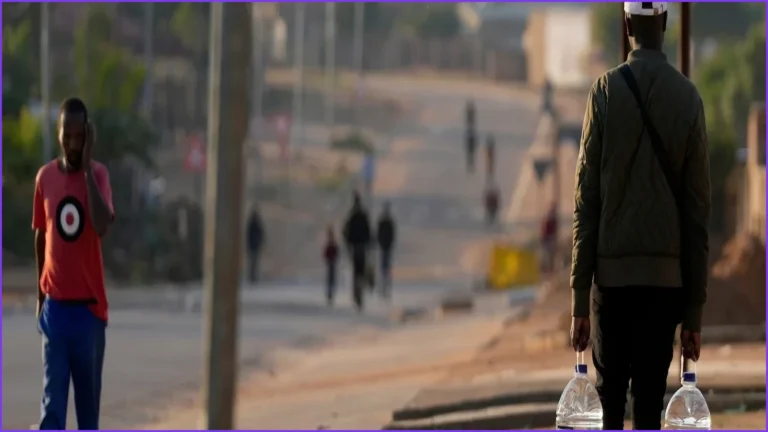
Sol Juruna, a representative of the Middle Xingu Indigenous Women’s Movement, told The Associated Press that communities situated downstream of the Belo Monte dam are already grappling with reduced river flows and dwindling fish populations. She expressed deep concern that a proposed mining waste dam near the Xingu River could further imperil their livelihoods. “We know that even the slightest contamination of the river would destroy everything for us,” Juruna stated.
According to a feasibility study conducted in 2015, Belo Sun intended to extract 3.52 million ounces of gold over a 17-year period. This operation would involve excavating more than 600 million tons of material across a 24-square-kilometer (9.2-square-mile) site. An independent assessment in 2021 highlighted concerns about a proposed dam designed to contain approximately 35 million cubic meters (1.2 billion cubic feet) of mining waste and water near the Xingu River. Researchers cautioned that a failure of this dam could release waste containing toxic substances, including arsenic and mercury, potentially affecting Indigenous communities located more than 40 kilometers (25 miles) downstream.
The Supreme Court’s ruling marks another development in a years-long legal dispute surrounding the project, which Belo Sun has promoted as one of Brazil’s largest potential gold mines. The company had previously regained its installation license through a lower court decision in February and subsequently informed investors that the permit would remain valid until 2029.
However, Brazil’s Indigenous affairs agency, FUNAI, has identified gaps in studies evaluating the mine’s impacts on Indigenous communities, particularly those residing outside formally demarcated territories. FUNAI also questioned whether the cumulative effects of both the mine and the Belo Monte dam were adequately considered. Ana Alfinito, a Brazil legal adviser at Amazon Watch, an environmental and Indigenous rights organization, affirmed, “FUNAI has maintained that protections must cover all affected Indigenous communities, including those outside formally demarcated territories.”
The Juruna and Arara Indigenous communities have previously asserted that they were not properly consulted about the project, a claim that Belo Sun disputes. Under Brazilian law and International Labour Organization Convention 169, Indigenous peoples are entitled to consultation rights.
The Associated Press sought comment from Belo Sun but did not receive a response by the time of publication. The Alliance for the Volta Grande do Xingu, a coalition actively opposing the mine, welcomed the court’s decision. However, the suspension is provisional, contingent on further legal proceedings that may include a potential agreement currently under consideration by a federal court.
For Sol Juruna and other Indigenous women campaigning against the mine, the decision brought a sense of relief, though they recognize it does not signify the end of their struggle. “It was happy news for us, even though we all know the fight isn’t over,” she said. “We will keep fighting, keep pushing to get Belo Sun out of the Volta Grande do Xingu. We want them gone.”