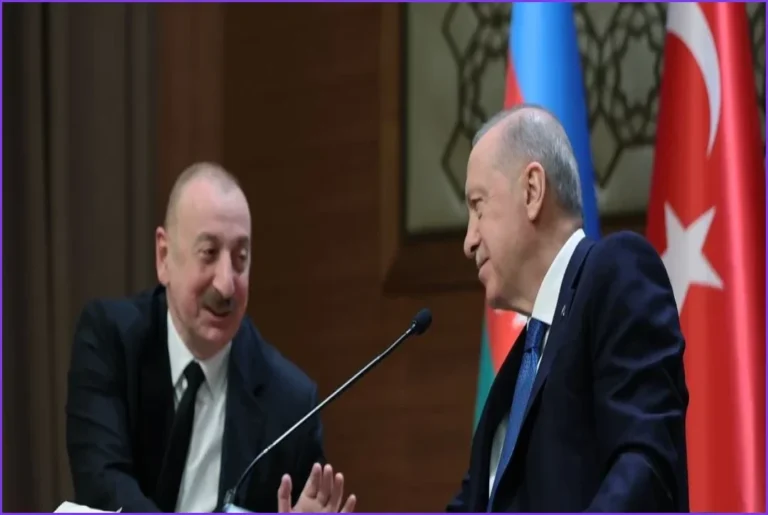
President Emmanuel Macron has publicly condemned foreign leaders for making what he described as “stupid comments” regarding the recent wave of civil unrest across France. During a visit to Qatar, the French leader stated that the “manipulation of information” following the riots had resulted in remarks that were “as unacceptable as they are stupid” from various international figures.
When asked by reporters if his criticism included US President Donald Trump, Macron confirmed that he was referring to him “among others.” Trump had previously attributed the violence in France to “migrants, jihadists and communists” while campaigning for the Republican party ahead of US midterm elections. Macron suggested that some leaders, whether in the Middle East or across the Atlantic, were “naively spreading narratives” promoted by specific circles to serve their own political election campaigns.
The French president specifically highlighted the circulation of AI-generated images that depicted events which never occurred, labeling claims of an “invasion” by migrants and Islamists as “completely false.” Israeli Prime Minister Benjamin Netanyahu, who faces his own elections next week, also drew criticism for claiming France had been hit by an “invasion of extremist Islam.” Analysts have consistently dismissed the suggestion that migrants were the primary factor driving the protests.
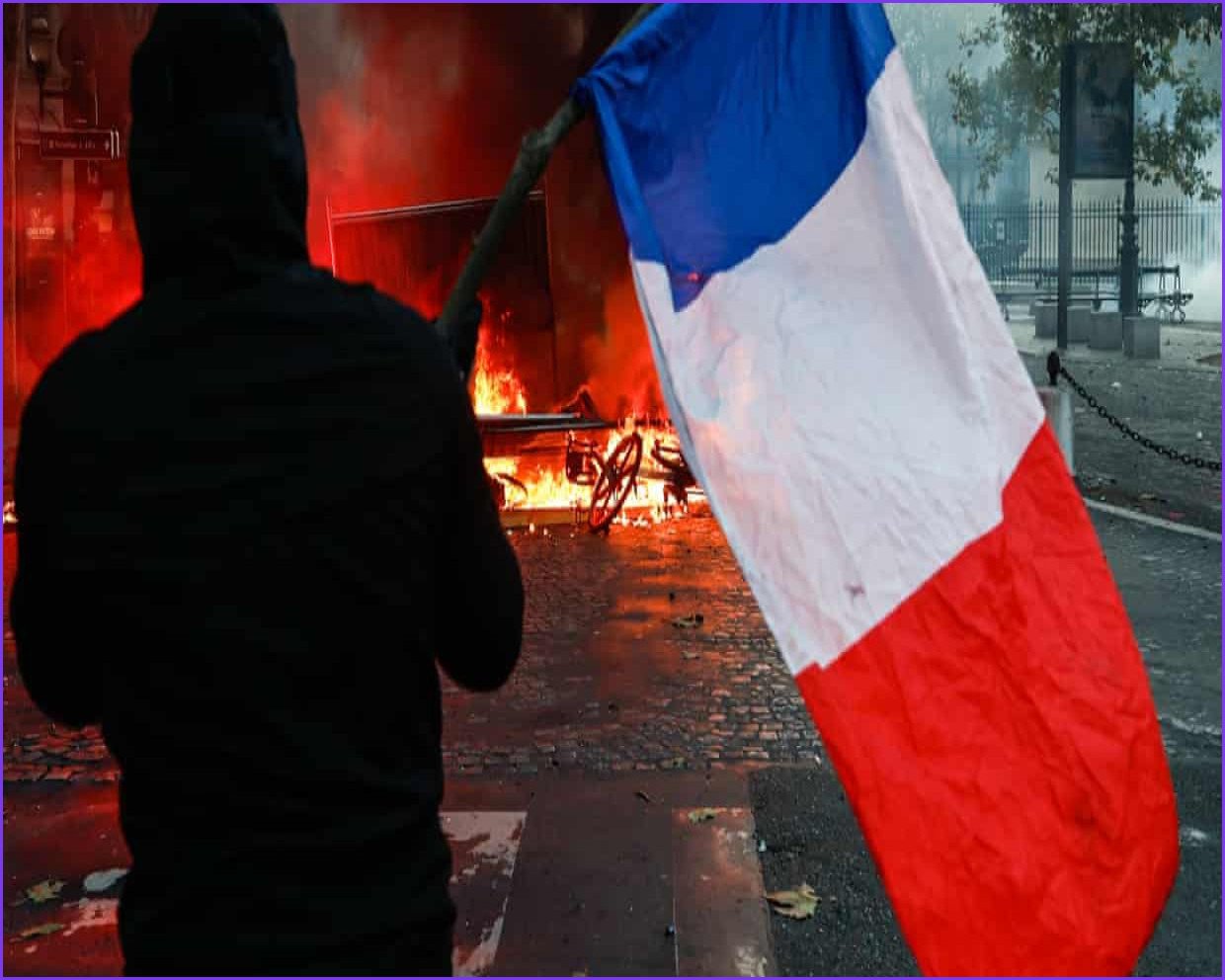
As France prepares for another weekend of potential demonstrations, the government is working to contain a crisis that has erupted just six months before the presidential elections. Officials have admitted they lost control during the riots last Saturday, which saw peaceful cost-of-living protests descend into widespread looting and violence in cities including Paris, Marseille, Lyon, and Limoges, where the town hall was partially destroyed by fire.
In response, authorities have banned protests in parts of Paris this Thursday between 8am and 8pm, covering major landmarks such as the Elysee presidential palace, the Louvre, the Champs-Elysees, and both houses of parliament. Financial markets have reacted with concern, as the yield on French 10-year government bonds reached its highest level since 2002, exceeding 5% on Wednesday.
Security measures are being significantly reinforced, with ministers promising a “massive” operation that may include the deployment of troops alongside police. While partial night-time curfews in several cities have helped maintain relative calm, the grassroots “gilets jaunes” movement has filed plans for a march in central Paris this Saturday, representing a major test for the government. Student groups have also announced plans to protest on the same day to demand increased education investment. The gilets jaunes activists aim to revive their nationwide 2018 campaign against rising living costs and declining public services.
Justice Minister Gérald Darmanin reported that 2,500 people have been taken into custody since the unrest began, with 174 individuals jailed and 917 formally prosecuted. Despite the pressure, Macron maintained that France does not require a state of emergency, asserting the nation has the necessary means to restore order. Meanwhile, trade unions have called for a nationwide mobilization on 5 November, with CGT leader Sophie Binet emphasizing that the situation requires a political response rather than mere repression. Union representatives met the prime minister, Sébastien Lecornu, on Wednesday but no concrete announcements followed. Similar unrest in Italy and Belgium has added to concerns about spreading anger over living standards, with Italy ordering 500 troops to Milan to address street violence.