Organisers of the French centre-left primary have announced that the voting process has successfully recovered following a first-day disruption caused by a cyberattack. By midday on Saturday, a total of 87,841 ballots had been cast, accounting for 62.6% of the 140,282 registered voters. This represents a significant recovery from Friday at 7 p.m., when only 20,000 individuals had managed to complete their vote.
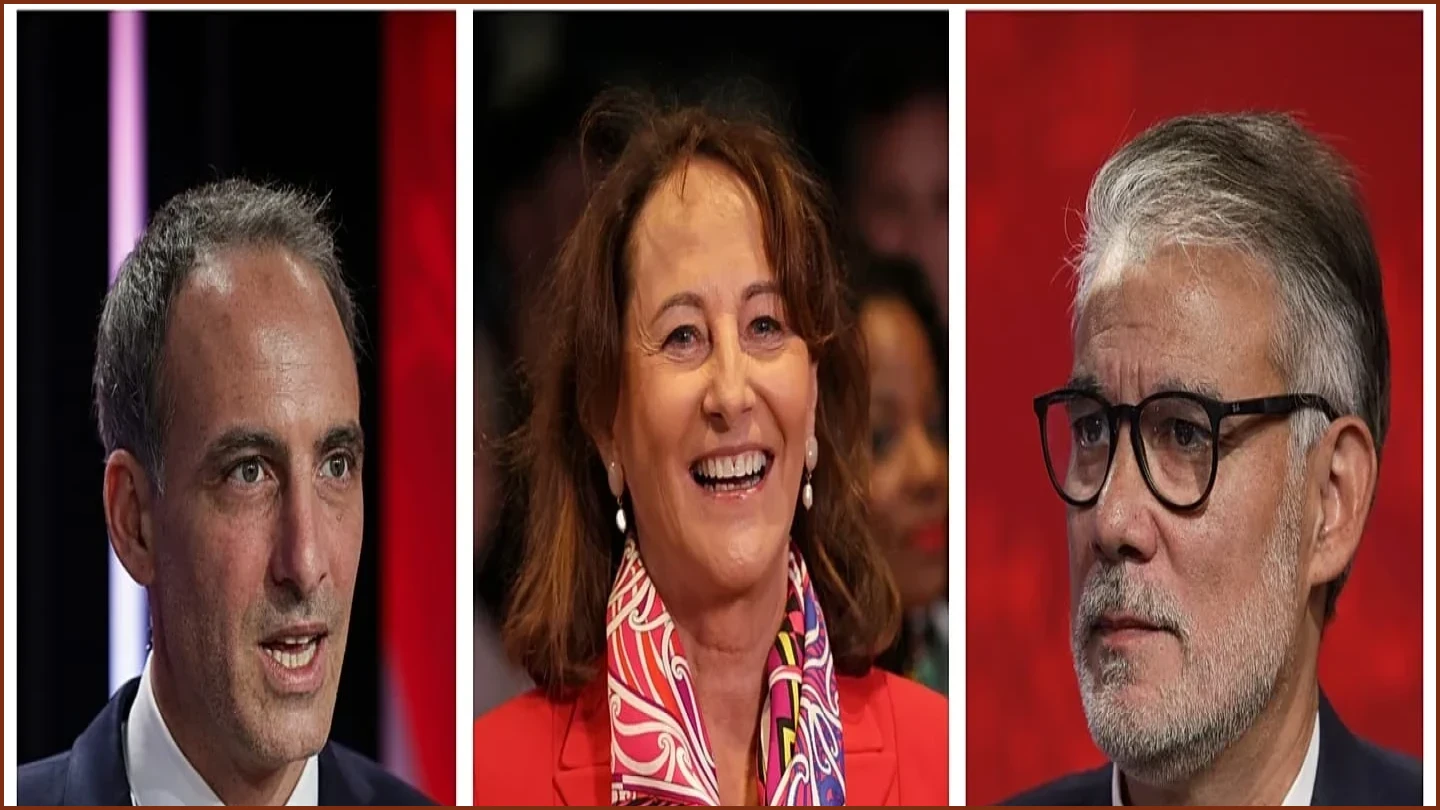
The primary, which is being conducted entirely online, is considered a critical test for the centre-left's future influence and the perceived legitimacy of the eventual winner in the broader presidential race. The contest features Raphaël Glucksmann, who is looking to leverage the 14% support his list achieved in the 2024 European elections. He faces competition from notable figures including current Socialist Party leader Olivier Faure, former 2007 presidential candidate Ségolène Royal, and MPs Jérôme Guedj and Emmanuel Maurel.
The campaign has faced several hurdles leading up to the vote. Aside from the cyberattack, Socialist MP Philippe Brun was excluded from the primary on September 16 following allegations of violence against a former staffer. Debates have also been marked by tension, with Ségolène Royal describing Glucksmann as a political intern. Furthermore, the introduction of a €15 voting fee—reduced to €10 for lower-income participants—has drawn criticism, with opponents arguing it may unfairly benefit supporters of the more affluent Glucksmann.
While the primary is underway, other political forces remain well-positioned, particularly Marine Le Pen on the far-right and Jean-Luc Mélenchon on the far-left. Although Mélenchon was not invited to participate, his influence persists through debates regarding potential alliances with La France Insoumise for upcoming legislative elections and disagreements concerning potential second-round endorsements. Some observers suggest that for Glucksmann to gain real momentum, he would need to win by a very wide margin in the first round. Due to the initial disruption, organisers have extended the voting period until Sunday at 6 p.m.
Turnout will be crucial in gauging the success of this primary, which is held entirely online, as well as an indicator of the legitimacy the winning candidate will carry into the race for the Élysée Palace.
The €15 fee charged to non-members of the PS and Place publique, reduced to €10 for those on lower incomes, has also drawn criticism. Critics argue the fee could favour Glucksmann's supporters, who are perceived as more affluent.