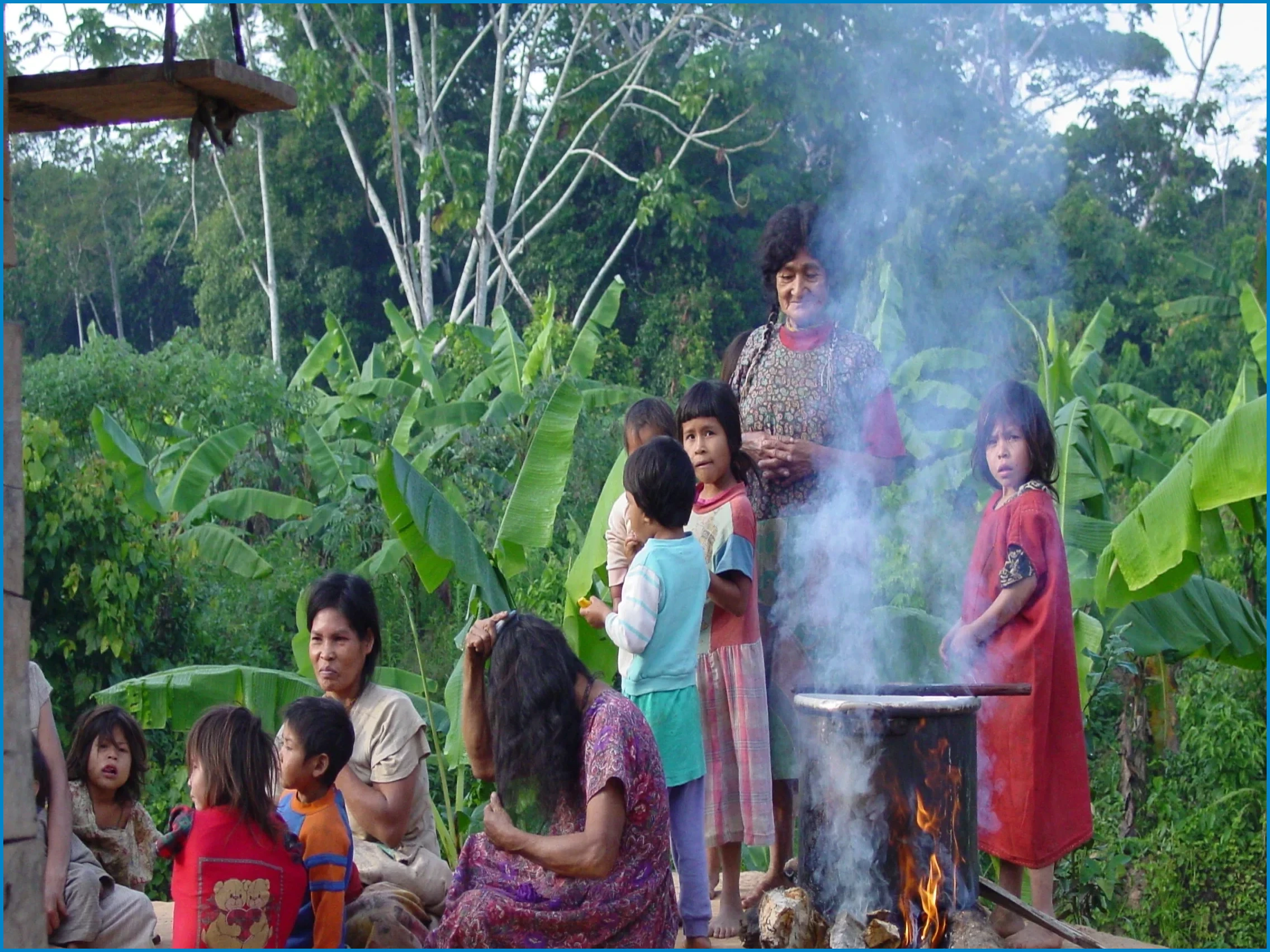
A new study published in the journal Nature suggests that human gut microbes may have accompanied our ancestors during their ancient migrations across continents. By analyzing the gut microbiomes of two geographically isolated indigenous populations—the Hadza hunter-gatherers of northern Tanzania and the Tsimane foragers, fishers, and hunters of the Bolivian Amazon—researchers discovered a startling level of microbial kinship. Despite living approximately 7,000 miles apart and consuming vastly different diets, these two communities share a remarkably similar set of gut bacteria. Experts say the new paper in the journal Nature suggests this microbial kinship may have taken shape long ago, before human migration split these groups' ancestors apart.
The research relied on stool samples collected from dozens of individuals through the Tsimane Health and Life History Project, which were compared with existing data from the Hadza community. The analysis revealed a near-90% overlap in their gut microbiomes, with both groups harboring around 1,200 of the same bacterial species. Crucially, the study also showed that the microbiomes of both the Hadza and the Tsimane were markedly different from those of urban dwellers, even those living in close geographic proximity to the indigenous groups. The findings suggest that some strains of gut bacteria have long coexisted with humans, possibly to their mutual benefit. It's an idea that some scientists say raises questions about the impacts of losing those microbes to modern lifestyles.
Justin Sonnenburg, a professor of microbiology and immunology at Stanford University and the study's senior author, explained that the long-term presence of these microbes suggests our biology has evolved to rely on them. According to Sonnenburg, if humans have been inhabited by very similar microbes over a long period of time, the human genome may have come to expect a specific set of microbes and their associated functions. He warned that losing gut biodiversity could present significant challenges for human biology to adjust to and accommodate. Sonnenburg, who has previously compared the microbiomes of the Hadza with those of industrialized populations, noted that both the Hadza and Tsimane live lifestyles much closer to those of our ancestors, making their bodies more hospitable to microbes handed down through generations.
The human gut microbiome is a dynamic ecosystem where hundreds to thousands of species—primarily bacteria, but also fungi and viruses—interact. These microbes play a vital role in digesting food and secreting molecules that enter the bloodstream and circulate throughout the body. Sonnenburg pointed out that gut bacteria can influence fundamental aspects of human biology and health, including moods, behavior, and immune responses to infections. Because microbiomes can alter rapidly based on diet and medicine, the high degree of similarity between the Hadza and the Tsimane is particularly striking, given their distinct diets of local vegetables, fish, and meats.
The researchers hypothesize that this shared microbial profile originated in a common ancestral population in Africa. According to this theory, some of these early humans left Africa, traveled through Eurasia, and crossed a land bridge that once connected Russia and Alaska before eventually migrating down to settle in the Bolivian Amazon. Once sea levels rose and the land bridge disappeared, the physical connection between these populations was severed. Ben Good, a theoretical biophysicist at Stanford and co-author of the study, noted that the disappearance of the land bridge meant it would have been extremely difficult for these separated groups to exchange gut bacteria through traditional human contact.
To test this hypothesis, the scientists used dating techniques based on the rates at which bacteria mutate and change over time. They determined that, on average, the shared microbial strains split from a common ancestor approximately 17,000 years ago, with some strains dating back even further. Sonnenburg stated that this timeline aligns with the idea that populations in South America, Africa, and potentially other regions are not simply acquiring microbes from their local environments to match their lifestyles, but are instead transmitting these microbes across generations.
Other scientists not involved in the study agree that the findings support the theory of co-migration and co-evolution between humans and their gut microbes. Taichi Suzuki, an assistant professor and microbiome researcher at Arizona State University, explained that a shared history spanning many generations provides more opportunities for evolutionary selection. This, in turn, suggests there may be deeper genetic dependencies between our genomes and these co-evolved microbes. Suzuki noted that while babies are born with a clean slate, they quickly acquire microbes, first from their mother's vaginal canal and skin, and later from other members of their household and community.
Andrew Moeller, an associate professor of evolutionary biology at Princeton University who was also not affiliated with the paper, described this human-to-human transmission as occurring via the fecal-oral route, which involves ingesting microscopic particles in the air and dust. While this process may sound unappealing, Moeller pointed out that these microbes are incredibly tiny—often a micron or less in length—meaning a single cell is theoretically enough to establish a new population. This transmission pathway serves the crucial evolutionary function of passing down human-specific microbes. Moeller added that the gut also picks up generalist environmental microbes, such as E. coli, through food, soil, and water.
However, Moeller also presented an alternative perspective on why these ancestral microbes are missing in urban populations. He suggested that the industrialized microbiome profile might actually be an adaptation to an industrialized lifestyle. From a health standpoint, Moeller noted that it remains unknown whether the loss of ancestral microbial groups in industrialized humans is beneficial or harmful. He emphasized that documenting which microbes have been retained and which have been lost is an essential step toward answering that question, adding that it is still early days for evolutionary questions regarding which microbes we have co-evolved with and which would be beneficial to regain.
Some researchers suspect that co-evolved microbes protect human health or at least minimize harm. Suzuki pointed to a case study involving H. pylori, a bacterium linked to stomach cancer. Individuals of African ancestry have a significantly lower risk of falling seriously ill from an African strain of H. pylori, likely because their genomes evolved alongside that specific strain. In contrast, people of other ancestries are more susceptible to developing deadly stomach cancers when infected with it, illustrating the potential danger of a mismatch between the human genome and gut microbes.
Suzuki and Sonnenburg both suspect that losing these ancestral microbes may be detrimental to modern human health. While establishing direct causation remains difficult, Sonnenburg noted that multiple lines of evidence suggest our modern, industrialized microbiomes have changed in ways that may promote inflammation and contribute to inflammatory diseases. Proving or disproving these evolutionary theories will require substantial future research.