South Korea conducted a flight test on Thursday of its first domestically developed hypersonic weapon. The system is engineered to travel at a minimum of five times the speed of sound and is designed to evade existing missile defense systems, bringing Seoul closer to achieving what officials describe as game-changing military capabilities. The test took place at an undisclosed location, according to an official statement.
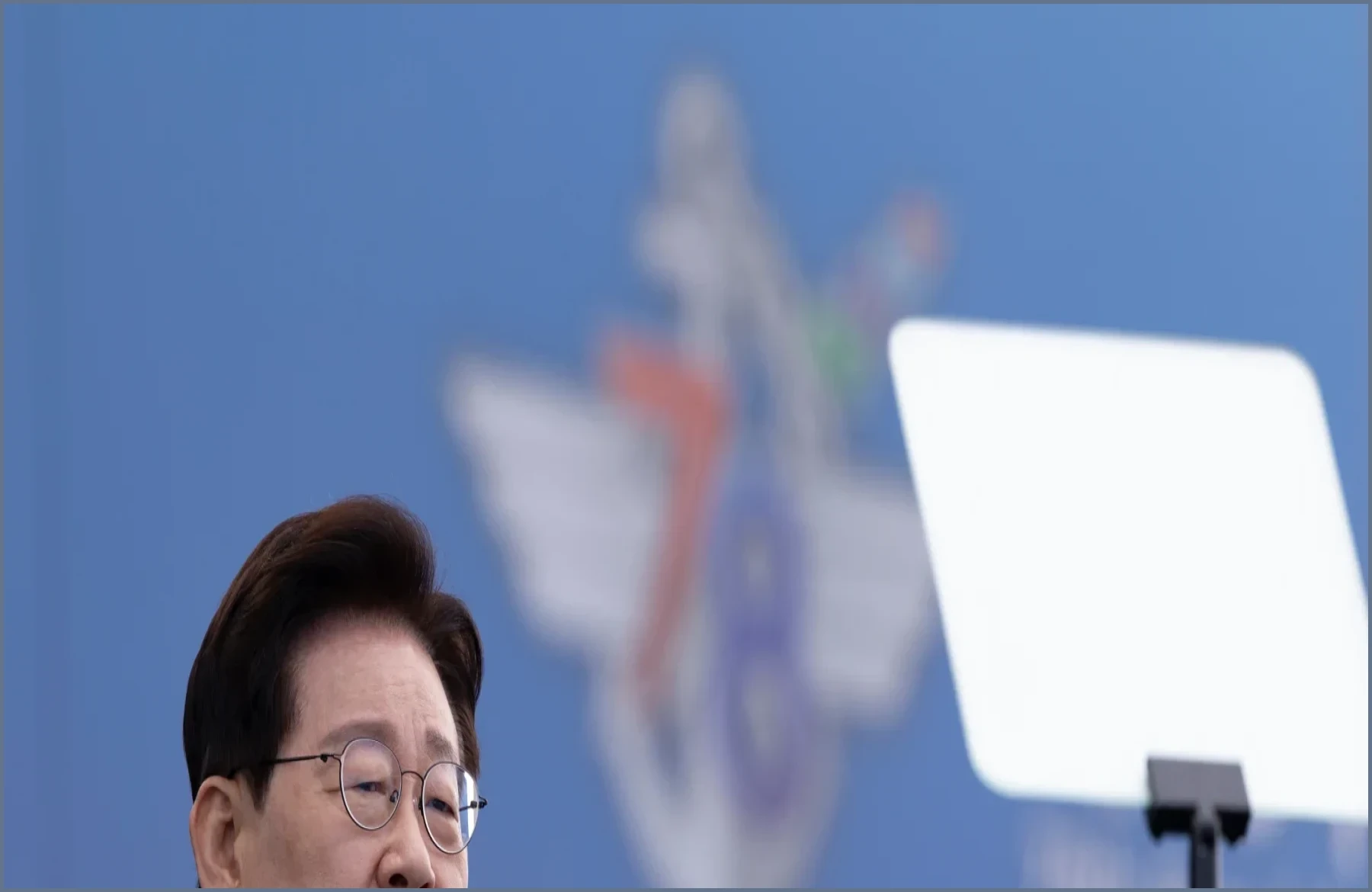
President Lee Jae Myung was in attendance for the test, which he described as a major step in bolstering the country's conventional defense capabilities. During the event, the weapon successfully separated from its booster rocket at a planned altitude. It then descended and performed both vertical and horizontal maneuvers before striking a designated test target. Once fully developed, the weapon is intended to strike key targets by surprise within the Korean Peninsula theater of operations.
During his visit to the military base, President Lee also inspected the nation's most powerful ballistic missile, the Hyunmoo-5. In his remarks, Lee stressed that South Korea must secure its security through its own strength. His office did not mention any direct comments by the president regarding North Korea during the event.
The test occurs against a backdrop of rising tensions between the two Koreas, which have intensified following land mine explosions last month near the heavily armed inter-Korean border that left three South Korean soldiers injured. The South's military and the U.S.-led United Nations Command concluded that the blasts were caused by devices planted by North Korea. Pyongyang has denied responsibility and ridiculed the South's demands for an apology.
North Korea has also increased its own weapons testing activity as leader Kim Jong Un expands his nuclear program while maintaining a hard-line stance toward Seoul. Last week, North Korea tested its own hypersonic missile, which landed in waters near Japan. South Korea detected the missile flying more than 700 kilometers, or 435 miles, while Japan's Defense Ministry assessed the flight distance at approximately 680 kilometers, or 422 miles. Kim Yo Jong, the sister of the North Korean leader, claimed that the differing estimates by the two U.S. allies demonstrated an inability to properly track the missile, suggesting they would be unable to intercept it.
Diplomatically, Kim Jong Un has rebuffed calls from U.S. President Donald Trump to revive negotiations that broke down in 2019. The North Korean government continues to demand that Washington abandon its hostile policy and drop denuclearization demands as a precondition for talks. These tensions have presented a setback for President Lee, who has favored engagement with the North and sought to strengthen conventional defense capabilities while reducing reliance on the United States. The U.S. recently decided to scale back a major military exercise with South Korea in August, with President Trump citing his good relationship with Kim.