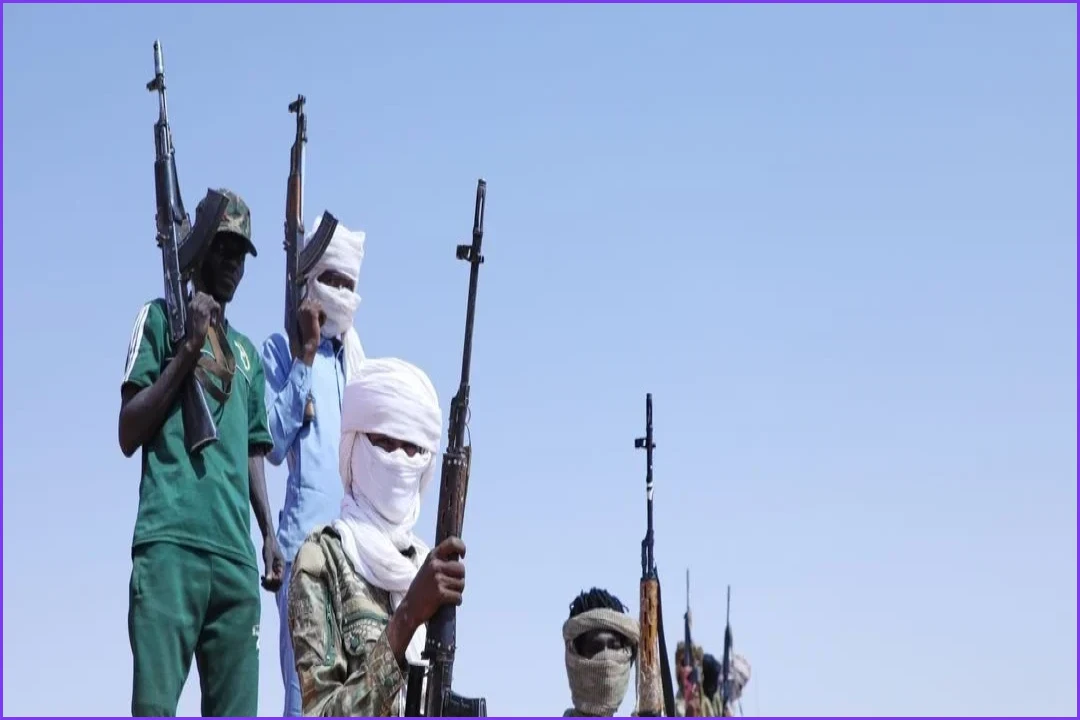
The Sudan Doctors Network has reported that an attack by the paramilitary Rapid Support Forces (RSF) resulted in the deaths of more than 25 civilians in the Umm Badr area of Sudan's North Kordofan state. In a statement released on Saturday, the non-governmental organization highlighted a video circulating online that appears to show RSF members carrying out the executions.
The network stated that the gravity of the incident is worsened by indications that the killings were conducted on ethnic grounds. According to the report, the victims were targeted under the pretext of being accused of supporting the Sudanese Armed Forces (SAF). Describing the event as a flagrant violation of international humanitarian law and human rights standards, the doctors warned that targeting individuals based on ethnic or social affiliation risks fueling hate speech and violence while threatening social peace. The network has urged the United Nations and international rights organizations to initiate an independent investigation to ensure accountability for those responsible.
While the RSF did not immediately provide a comment on the allegations, the group maintains a standard position that its forces do not target civilians—a claim that is consistently disputed by both international human rights groups and Sudanese authorities.
The violence in North Kordofan occurs against the backdrop of broader military activity. The Sudanese army recently announced that it has successfully retaken nearly a dozen areas in the state following clashes with the RSF. Since late July, the SAF has secured the strategic city of Bara, along with the areas of Jabra al Sheikh and Umm Siyala, while also securing the national road connecting Bara to Omdurman, located west of the capital, Khartoum. The Kordofan region, which includes North, West, and South Kordofan, has been a site of ongoing fighting between the SAF and the RSF since last October. The broader conflict, which began in 2023, has resulted in tens of thousands of deaths and the displacement of approximately 13 million people, according to UN and international estimates.