The United States Senate has approved a major bipartisan bill designed to overhaul college athletics across the country, marking a significant milestone in a years-long effort by federal lawmakers to regulate college sports. On Monday, September 28, senators voted 77-22 to pass the Protect College Sports Act. The legislation, which represents arguably the most substantial measure the Senate will pass before its recess ahead of the midterm elections, now heads to a potentially contentious House of Representatives.
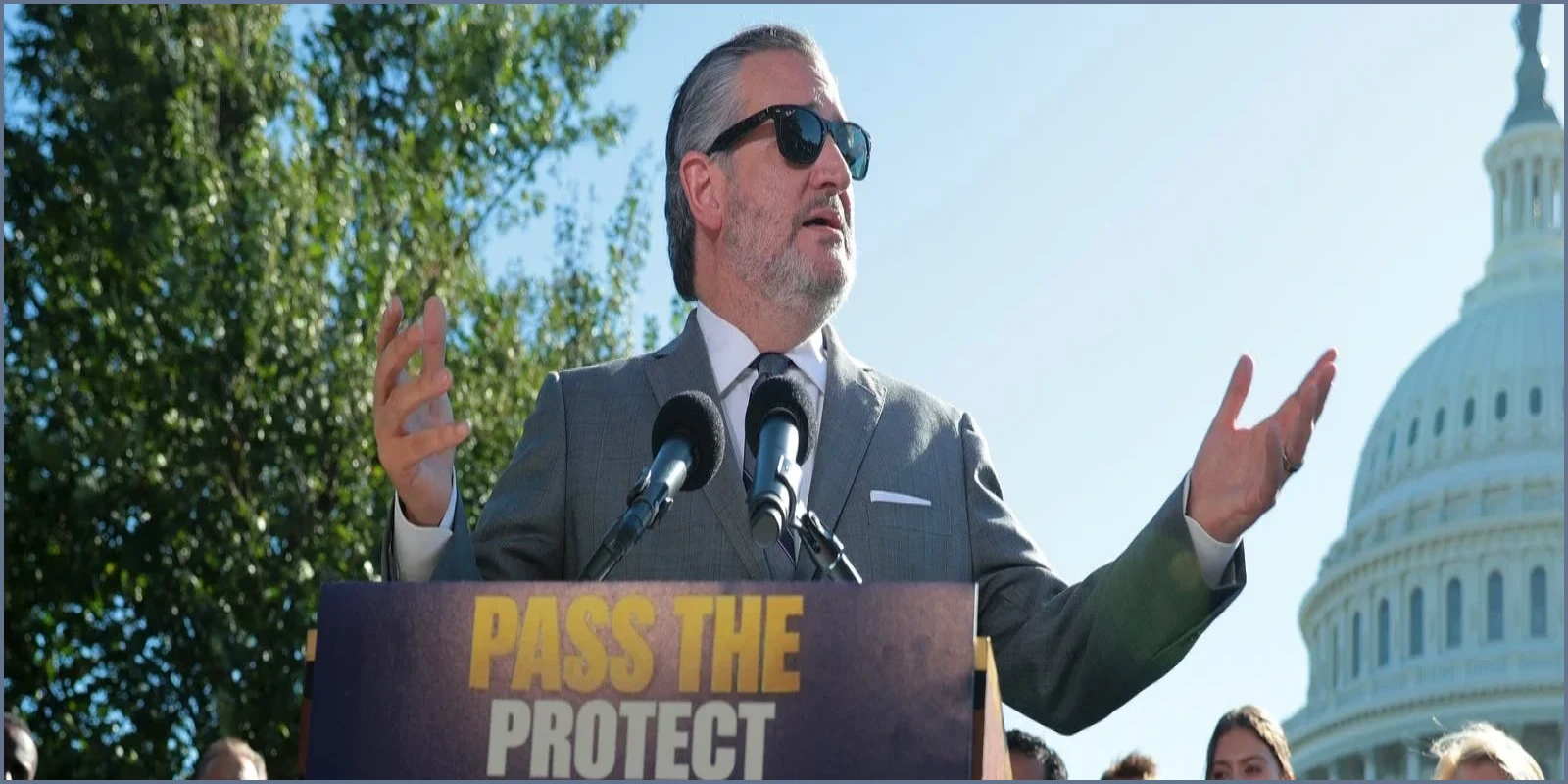
The bill aims to establish federal guidelines for student-athlete compensation and introduce new restrictions on school transfers. Senator Ted Cruz, the chairman of the Senate Commerce Committee, served as the primary Republican architect of the bill alongside Senator Maria Cantwell, a Democrat from Washington. Speaking before the vote, Cruz described the current state of college sports as the "Wild West" where "essentially no rules" exist, creating a "spending spiral where virtually every athletic department is losing millions of dollars." Cruz warned that without federal intervention, ongoing litigation could lead to the loss of hundreds of thousands of roster slots and scholarship positions within a few years.
Under the newly passed Protect College Sports Act, a federal right to name, image, and likeness (NIL) compensation would be codified for student-athletes. The bill also addresses the frequent use of the transfer portal by placing limits on unlimited transfers, temporarily pauses athletic conference realignment, and establishes specific guidelines regarding when college football or basketball coaches can be hired away by competing programs.
Financially, the legislation expands the amount of revenue schools can share with athletes, raising that limit to approximately $43 million to $45 million. It also includes a provision allowing universities to spend up to an additional $5 million on revenue-sharing dedicated specifically to women's sports and Olympic non-revenue sports. Senator Eric Schmitt, a Republican from Missouri, defended the bill as a stabilizing force for both athletic conferences and players, stating that lawmakers did a good job of balancing competing interests.
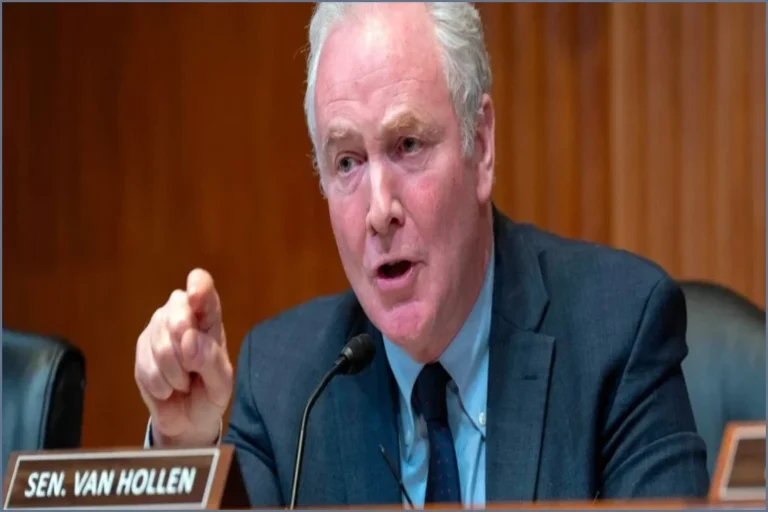
Despite its bipartisan support, the bill has sparked intense debate, particularly among Democrats just a month before the fall elections. Civil rights and labor leaders have pressured lawmakers to block the legislation, arguing that it disempowers student-athletes, particularly those of color. Senator Cory Booker, a New Jersey Democrat and former college athlete, delivered a lengthy speech on the Senate floor strongly opposing the measure. Booker expressed deep regret over the vote, calling it a bill that would harm many young people who dedicate immense effort to their sports. He criticized his colleagues for rushing the vote as their final act before a long recess without sufficiently listening to the athletes.
Booker and Senator Chris Murphy, a Connecticut Democrat, have been the most vocal opponents of the bill. They argue that the legislation merely caps spending on student-athlete revenue-sharing without addressing multimillion-dollar coaching contracts and expensive buyouts. Furthermore, critics point out that the bill does not address collective bargaining concerns and lacks provisions to classify student-athletes as employees of their universities.
In recent years, court rulings favoring athletes' rights have enabled students to secure substantial profits from NIL opportunities. However, critics of the current system argue these changes have disrupted university finances, forced the closure of some athletic programs, and widened the gap between wealthy and less-affluent institutions. Cruz noted that litigation has dismantled nearly all previous regulations, leading to athletes entering the transfer portal multiple times.
Following the Senate vote, NCAA President Charlie Baker issued a statement praising the bipartisan effort to preserve college sports. Baker called college athletics a uniquely American tradition but acknowledged that significant work remains to ensure student-athlete benefits are successfully codified into federal law.
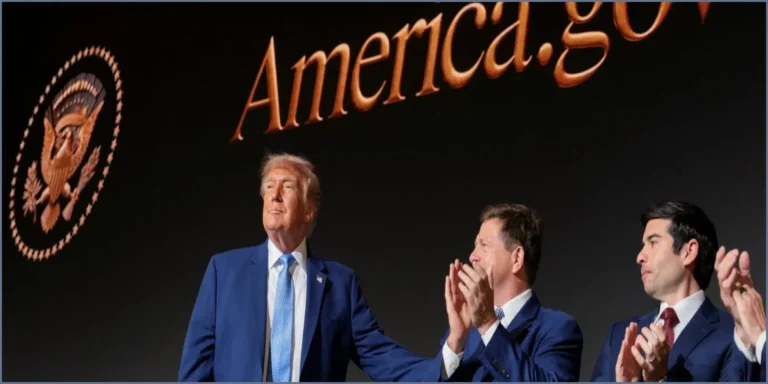
To become law, the Protect College Sports Act must now secure a simple majority vote in the House of Representatives. If passed by the House, the bill would go to President Donald Trump, who has indicated he would sign it. However, the House is currently recessed until after the midterm elections in early November. Cruz has publicly urged Republican House Speaker Mike Johnson to recall lawmakers immediately to vote on the bill, asserting that the House could pass it in a single day. Cruz also mentioned he had suggested to Trump that he sign the bill on the set of ESPN's "College GameDay" broadcast at a major game this autumn, expressing hope that it could be signed into law before Election Day.
Nevertheless, with many representatives focused on their reelection campaigns, convening an emergency session is considered unlikely. The legislative journey of the Protect College Sports Act began in the Senate Commerce Committee, where it cleared an initial hurdle with a 19-9 vote on June 18. It then moved to the full Senate floor, where senators approved cloture by a 74-24 margin before unveiling a series of changes on September 17. Given the House schedule, further legislative action on the bill is not anticipated until later this year.
With many Republicans glued to the campaign trail, though, getting lawmakers to abruptly return to Washington would be a tough sell.