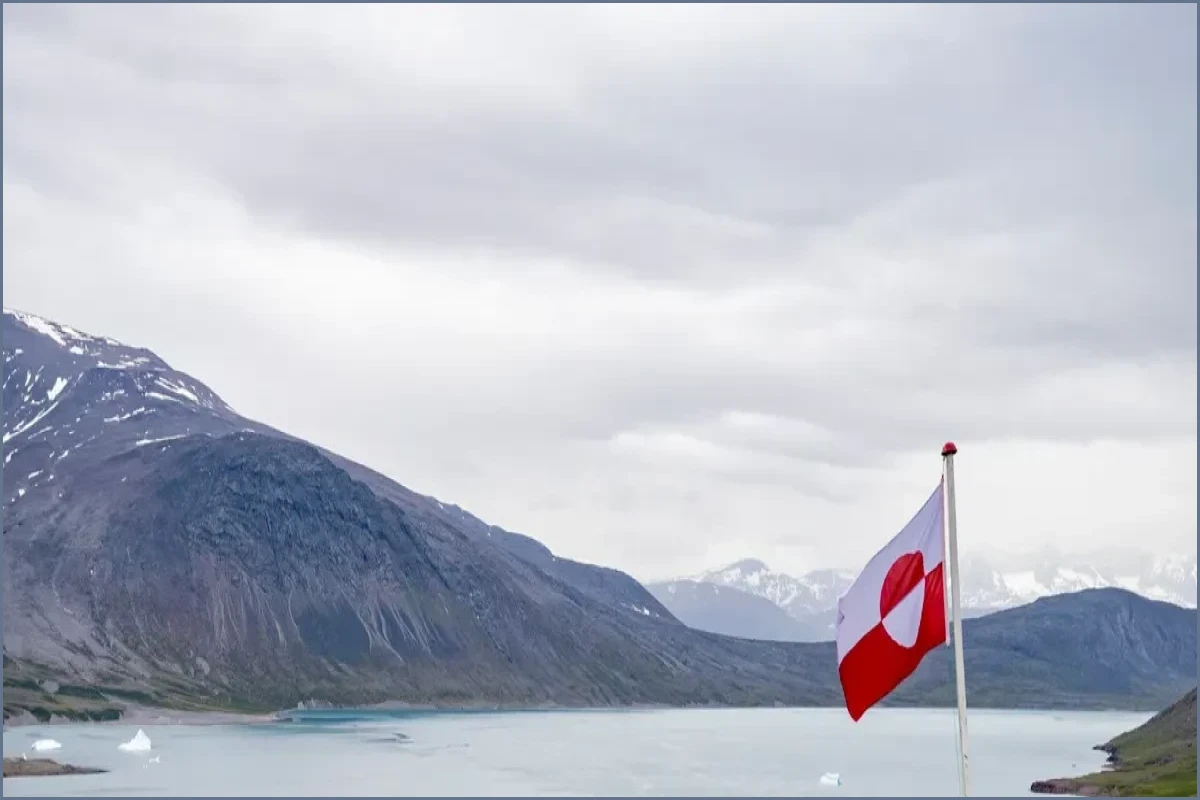
Greenland exists as one of three distinct territories that constitute the Danish Kingdom, alongside Denmark itself and the Faroe Islands. While the Arctic territory has moved toward greater autonomy over the decades, its political status remains deeply intertwined with Copenhagen, despite its geographic location being significantly closer to North America than to Europe.
The territory is situated approximately 2,500 kilometers from Copenhagen and relies on the Danish capital for more than half of its public budget, with subsidies amounting to one-fifth of its GDP. The fisheries industry provides the other primary pillar of its economy.
The current autonomous status of Greenland was established in 2009 through a Danish law that recognized the Greenlandic people as a nation under international law. This legislation granted the local government control over a wide array of domestic affairs, including business taxation, mining rights, aviation, family law, immigration, border control, and full administrative oversight of schools, elderly care, and infrastructure.
Crucially, the 2009 law also provided a pathway to full independence, obligating Denmark to negotiate such a status should the population of Greenland choose to pursue it.
Despite these powers, Greenland remains integrated into the Danish state in several fundamental ways. The territory relies on Danish control for monetary policy, the judiciary, defense, and foreign affairs. Greenland does not possess its own currency, constitution, citizenship, or supreme court.
The historical roots of this relationship date back to the 18th century, beginning with the arrival of the Danish-Norwegian priest Hans Egede in 1721. Egede’s mission to convert the native Inuit population led to the establishment of a colony at Godthåb, later renamed Nuuk. This presence expanded over subsequent decades, following an earlier period of Viking activity that had ceased by the 1400s.
Denmark's sovereignty over the island was formally recognized by the United States in 1921, a diplomatic decision influenced by the 1917 sale of the Danish West Indies—now the United States Virgin Islands—to the US for $25 million. Although Norway once staked a claim to a northeastern part of Greenland, the International Court in The Hague rejected this in 1933.
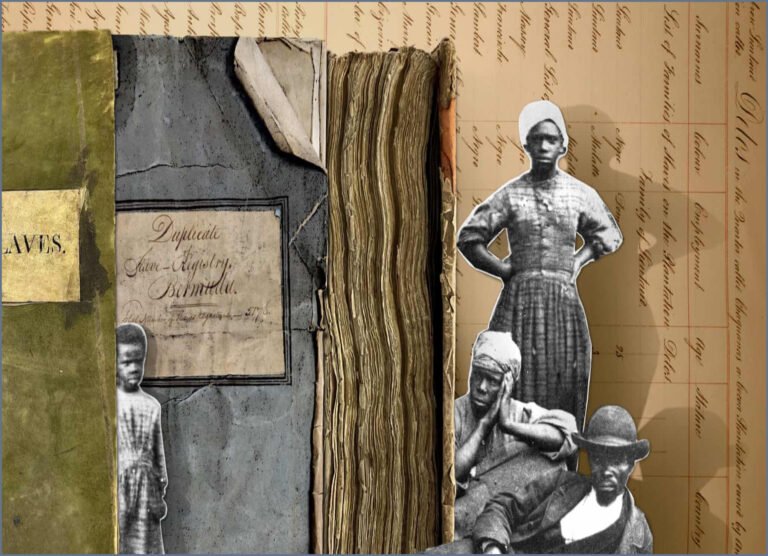
The colonial era left a complex legacy, marked by periods of significant abuse by Danish authorities, including the forced relocation of children and the implementation of forced contraception. A policy introduced in 1964, known as the "place of birth criteria" (fødestedskriterie), institutionalized wage inequality by providing higher pay, free housing, and travel benefits to Danes working in Greenland compared to native Greenlanders.
This policy was not formally abolished until 1991.
Political evolution continued throughout the 20th century. In 1953, Denmark repealed Greenland’s status as a colony, reclassifying it as a county and granting its inhabitants Danish citizenship and passports. Home rule (hjemmestyre) was later introduced in 1979, establishing the first Greenlandic parliament.
By 2008, 75 percent of the population voted in favor of the current autonomous status (selvstyre), which was finalized the following year.
More recently, in 2023, plans for a local constitution were presented to the parliament, the Inatsisartut. While recent surveys conducted in early 2025 indicate that a majority of Greenlanders favor long-term independence, there is also an overwhelming rejection of suggestions by figures such as former US President Donald Trump regarding the potential annexation of the territory by the United States.