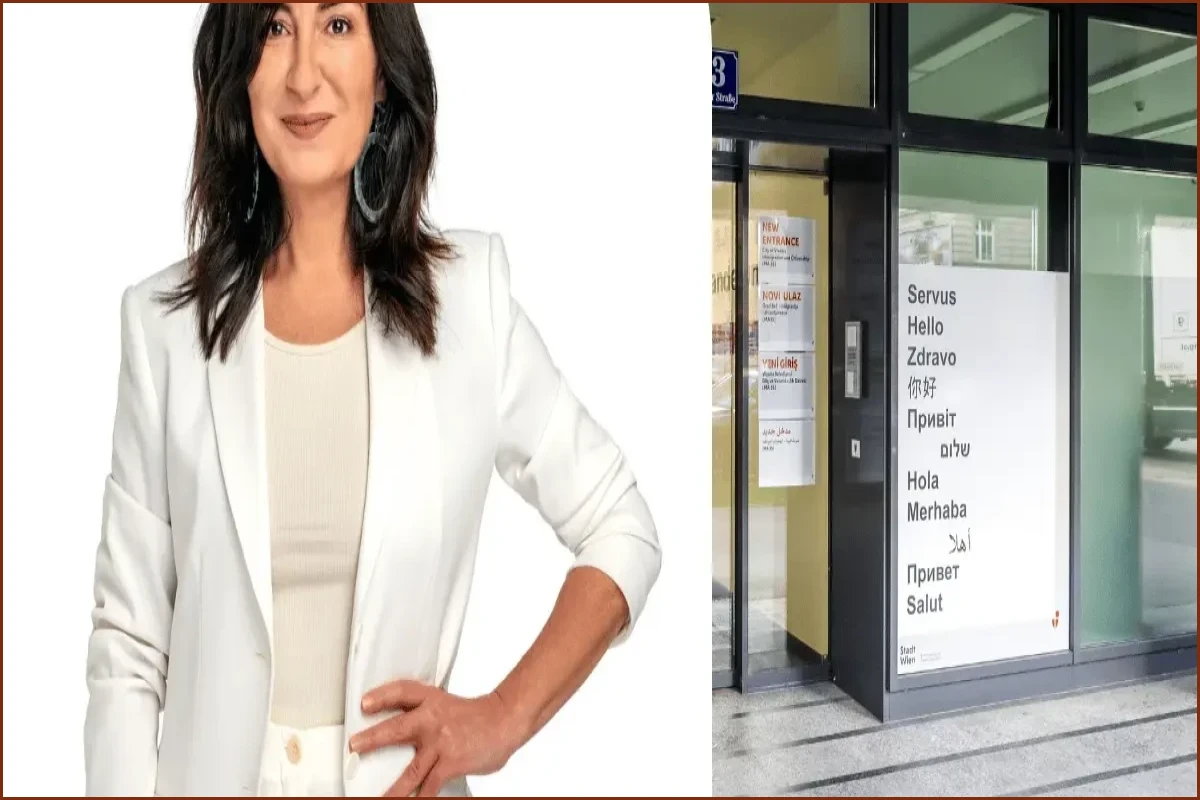
Ani Gülgün-Mayr, a 56-year-old mother of two and a well-known presenter for the Austrian state broadcaster ORF, has spent nearly her entire life in Austria, yet she remains unable to secure citizenship. Born in Istanbul to a family with Armenian roots, Gülgün-Mayr moved to Austria when she was just two years old.
She attended school in Vienna, pursued a university degree in psychology, and built a professional career that included working for a Vienna-based organization supporting young people from guest-worker families. In 2005, she joined ORF, where she currently presents the programme Kultur Heute (Culture Today).
Despite her deep integration and long-standing contributions to Austrian society, her recent application for naturalisation was blocked by Vienna's MA 35 immigration and citizenship office. In June of this year, the authorities informed Gülgün-Mayr that she did not provide sufficient proof of her German language skills.
Furthermore, MA 35 rejected her application based on nine administrative traffic offences, some of which she is currently contesting. For Gülgün-Mayr, who identifies as a Viennese woman, the situation is both frustrating and deeply concerning.
When asked about her motivation for seeking citizenship, Gülgün-Mayr emphasized the need for long-term security. She stated, "I want to be able to grow old without having to worry that, one day, when I want to visit my children in Vienna, I might somehow not be allowed to enter the country." She noted that current laws are becoming increasingly restrictive, particularly for non-EU citizens, and she desires the certainty that Austria will always be recognized as her home.
Regarding Austria’s general prohibition on dual citizenship, she expressed that she would have no emotional difficulty renouncing her current citizenship, viewing the act as a symbol of her commitment to the country where she lives, pays taxes, and envisions her future.
The experience has left her feeling vulnerable and angry. She remarked, "It shows me that, in a situation of need, the country I consider my own might not stand up for me. And it sends a message to the outside world: if I cannot get citizenship after 54 years, then who can?" The public response to her situation has been varied, ranging from hostile comments telling her to leave to expressions of disbelief that such a situation could occur.
As a journalist, she understands the rationale behind strict laws but characterizes them as inhumane, suggesting that many people do not realize the full severity of these regulations.
Gülgün-Mayr remains determined to continue her efforts to naturalise, even if her case serves only as a "textbook example" of how long-term, tax-paying residents can be treated. She advocates for significant legislative reform, arguing that those who fulfill their responsibilities and contribute to society should have the right to participate politically.
She specifically criticized the inclusion of minor administrative penalties as a basis for denial, noting that studies indicate the average person in Vienna receives roughly two such penalties per year. She concluded that without changing the law, it is impossible for long-term residents to have a say in the country they call home.
READ ALSO: Interview – 'Receiving Austrian citizenship was an emotional moment'