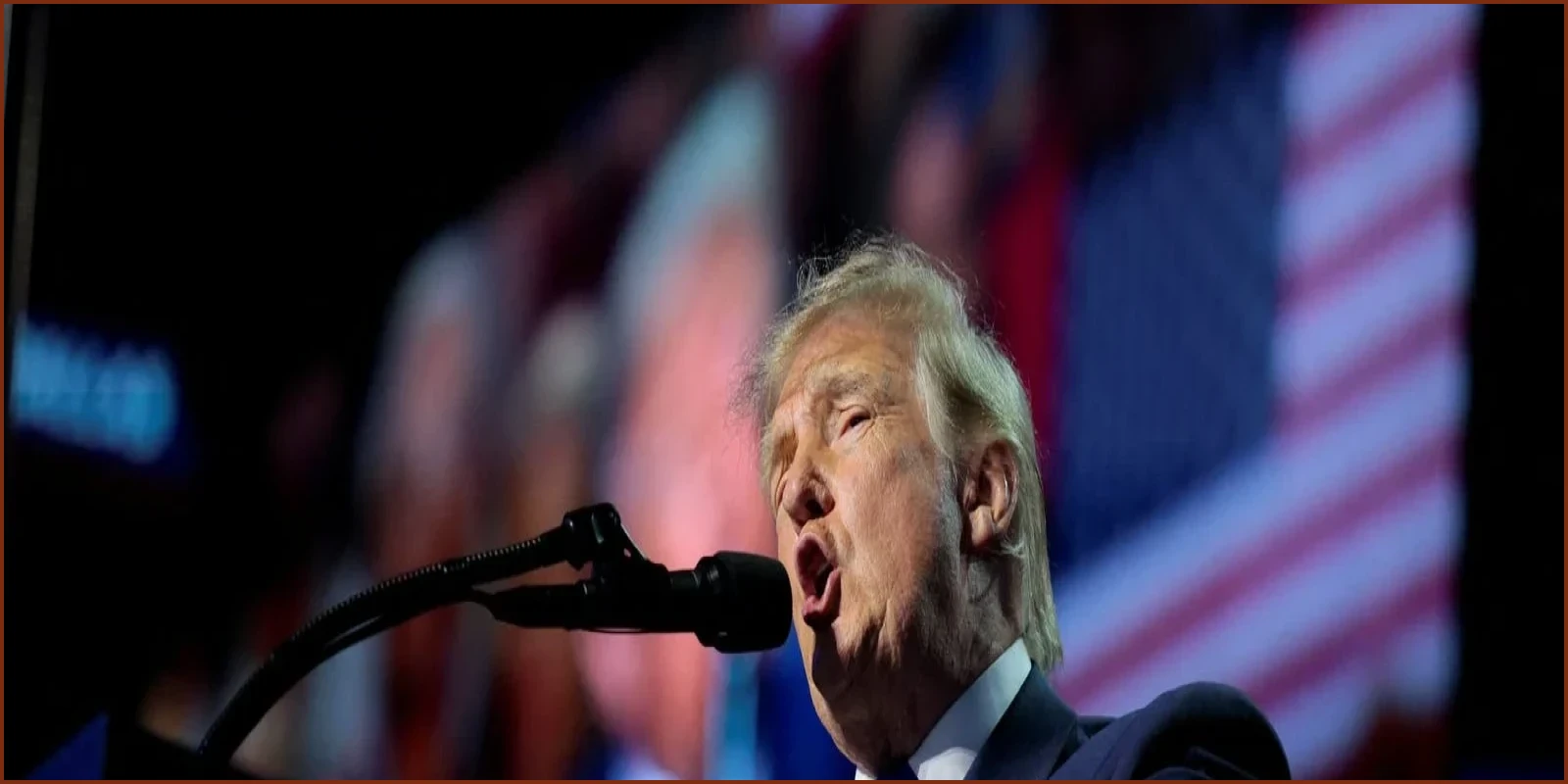
President Donald Trump's campaign pledge to distribute $5,000 dividends to all adult U.S. citizens if Republicans retain control of Congress this November is facing a complex web of obstacles on Capitol Hill, including resistance from members of his own party.
The unexpected proposal, announced during the Republican convention in Dallas, has presented a challenging political test for congressional Republicans. Historically, many GOP lawmakers have aligned themselves with strict fiscal discipline. However, President Trump has consistently demonstrated less interest in reducing the national debt compared to his Capitol Hill allies, particularly as the federal debt surpassed a historic $40 trillion milestone this summer.
Budget hawks and conservative economists immediately began balking at the proposal. Because of razor-thin voting margins in both chambers of Congress, even a handful of Republican defections could easily tank the initiative. Representative Thomas Massie, a Kentucky Republican, expressed his opposition on the social media platform X. "Frankly I’m insulted by the notion that my vote this November could be bought for 5k," Massie wrote, warning also of "the inflation this would cause." Representative Chip Roy, a Texas Republican, appeared to agree, responding to a post defending the dividend plan by writing that government "dependency is evil & soul-sucking in all its forms."
Senate Majority Leader John Thune, a South Dakota Republican, provided little clarity on the next steps for the proposal during a Fox News interview on September 9. Since Congress holds the ultimate authority over federal spending, any such payout would require legislative action. Acknowledging the surprise announcement, Thune simply stated, "We'll cross that bridge when we come to it."
Some fiscal conservatives offered conditional support for the president's plan. Senator Ron Johnson, a Wisconsin Republican who chairs the Senate Budget Committee—the crucial first stop for party-line tax and spending legislation—noted his general openness to the idea. Johnson stated he is "always happy to consider allowing taxpayers to keep more of their hard-earned money." However, he insisted that any legislative effort to fulfill Trump's promise must incorporate deficit reduction. Johnson suggested that the funding should come from eliminating federal government fraud rather than cutting existing public benefits, asserting that "Eliminating this waste would provide more than adequate pay-fors, NOT by reducing benefits."
Representative Andy Harris, a Maryland Republican and chairman of the House Freedom Caucus, also signaled his backing. Similar to Johnson, Harris proposed a funding mechanism centered on targeting "waste, fraud and abuse in federal programs."
Despite these suggestions, the path forward remains highly restrictive. Democrats quickly denounced the proposed payouts as illegal. This unified opposition leaves Republicans with no choice but to pursue a narrow, party-line legislative route to overcome the 60-vote threshold in the Senate, making any internal GOP dissent highly consequential.
Several budget hawks and conservative economists are already balking at the idea – a bad sign when just a few Republicans in either chamber can, until the voting margins change, tank pretty much any measure.
He stressed, however, that any forthcoming efforts to make good on the president's promise would need to happen with deficit reduction in mind. Johnson recommended that new financial relief should come from savings made via eliminating fraud in the federal government, rather than slashing benefits Americans rely on.