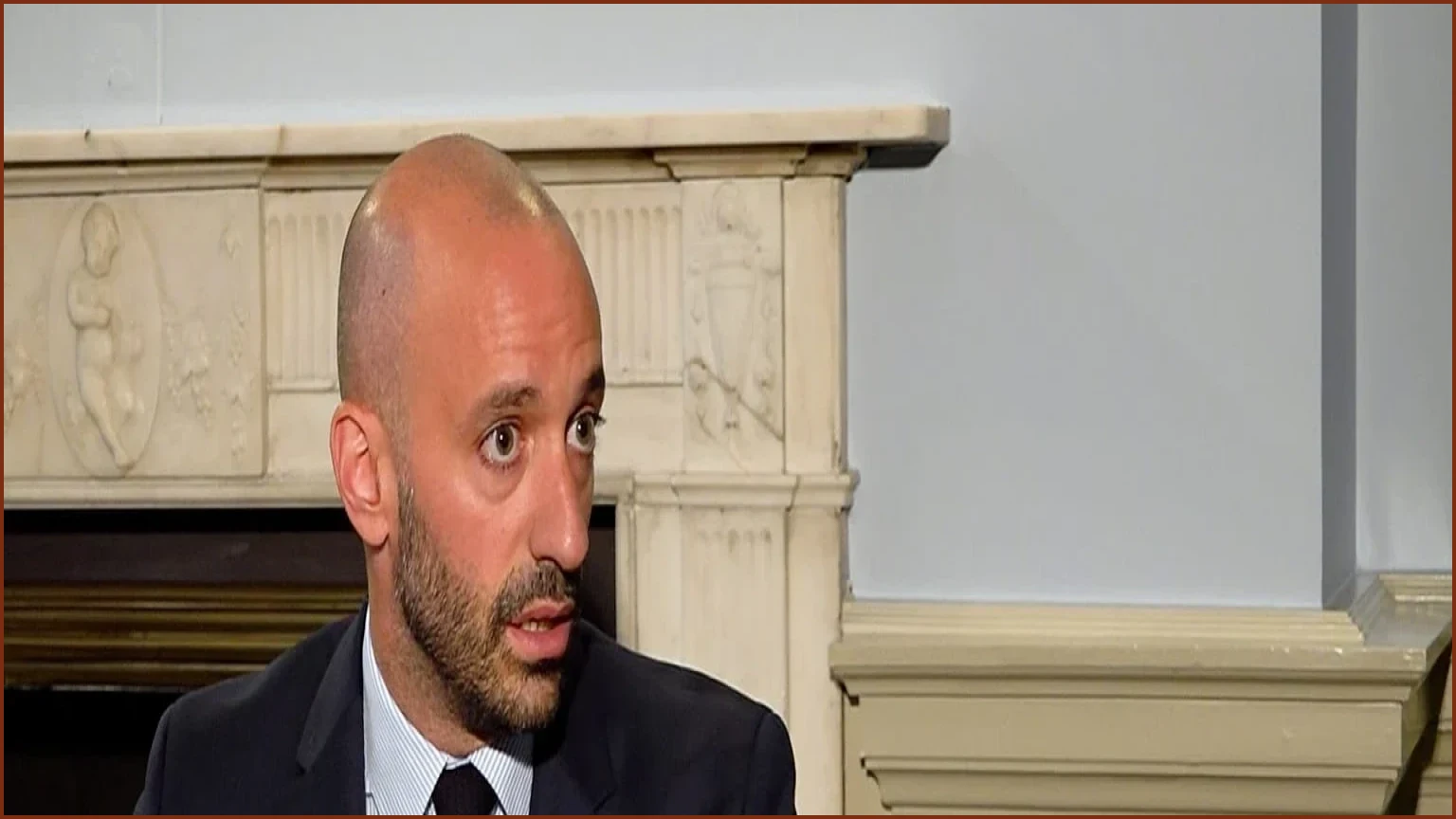
French Minister for European Affairs Benjamin Haddad has expressed strong confidence that voters in France will ultimately reject far-right candidate Marine Le Pen and broader political extremism in the upcoming 2027 presidential election. Despite recent polling showing Le Pen with a commanding lead, Haddad argued that the French electorate historically turns away from euroscepticism and populism when casting their final ballots.
Haddad's remarks come in the wake of an Elabe poll conducted for BFMTV and La Tribune Dimanche, which positioned Le Pen far ahead of potential rivals, projecting her to secure between 34% and 35.5% of the vote in the first round. Le Pen, who leads the far-right National Rally party, was cleared to run in July, even after an appeals court upheld an embezzlement conviction against her. Dismissing the current numbers, Haddad noted that he "never trusts the polls" because they have been proven wrong in the past.
To illustrate his skepticism, Haddad recalled his early support for Emmanuel Macron in 2016, a time when the future president was lagging significantly behind. Following his official candidacy declaration in November 2016, Macron climbed from third place to briefly lead Le Pen just weeks before the vote. Macron eventually secured 24% in the first round of the 2017 election and went on to win the presidency with 66% of the second-round vote compared to Le Pen's 34%.
Although this gap narrowed in the 2022 election—where Macron defeated Le Pen with 59% to her 41%—Haddad remains convinced that French voters are "deeply European" and proud of their country's role on the European stage.
Haddad sharply criticized Le Pen's political record, characterizing her as the long-standing candidate of "Frexit" who advocated for France to exit both the European Union and the eurozone. He also highlighted her past alliance with Russian President Vladimir Putin, accusing her of trying to make voters forget these positions. "She's trying to make people forget about all of this and sometimes even says that it never happened, even though we know her stance on the European Union for a long time," Haddad said.
Despite his optimism, the minister warned that mainstream politicians must approach the rising tide of populism "with a lot of humility." He stressed that the primary responsibility of the government is to deliver tangible results on crucial issues such as migration, security, economic competitiveness, and defending Europe against external threats.
Achieving political unity remains a steep challenge in a highly fragmented field, with approximately 30 figures already declaring their presidential ambitions. Among the potential candidates from the centrist and centre-right factions are former prime ministers Gabriel Attal of Renaissance and Édouard Philippe of Horizons, alongside conservative former minister Bruno Retailleau of Les Républicains.
On the left, the field includes hard-left leader Jean-Luc Mélenchon of La France Insoumise, Marine Tondelier of the Greens, and MEP Raphaël Glucksmann of Place Publique. Haddad expressed hope that a single candidate capable of uniting the centre and centre-right will emerge by the end of the year, possibly through a primary process.
The current political landscape remains challenging for the ruling coalition. In 2024, Le Pen's National Rally won the European Parliamentary elections in France, securing more than double the votes of Macron’s party. This resounding defeat prompted the president to dissolve parliament and call a snap election at the time.
The rise of populism, Haddad conceded, is fueled by global instability and the erosion of traditional certainties. He pointed to the weaponization of trade, the destabilization of European industries by subsidized Chinese overcapacities, the questioning of transatlantic alliances, and Russia's ongoing war of aggression in Europe. He argued that facing these pressures from China, the United States, and Russia alone would weaken France, stating, "I don't think we'd be stronger looking inwards." The first round of the presidential election is scheduled for April 18, 2027, with a decisive second-round runoff on May 2, 2027, if no candidate secures an absolute majority.